
Visiting the Patagonia region, located at the southern tip of South America, was definitely a bucket list item for us—as it is for many overlanders. Shared by Argentina and Chile, Patagonia is renowned for its sparsely populated landscapes featuring dramatic mountain ranges, crystal-clear lakes, and awe-inspiring glaciers. We spent five unforgettable months, from November to March, exploring this remarkable region, and despite the length of our stay, we would gladly have spent even longer if the changing seasons and challenging weather conditions had allowed. Here are our top 10 picks from this unforgettable journey through Patagonia.
1. Carretera Austral, Chile – Wild Camping Paradise
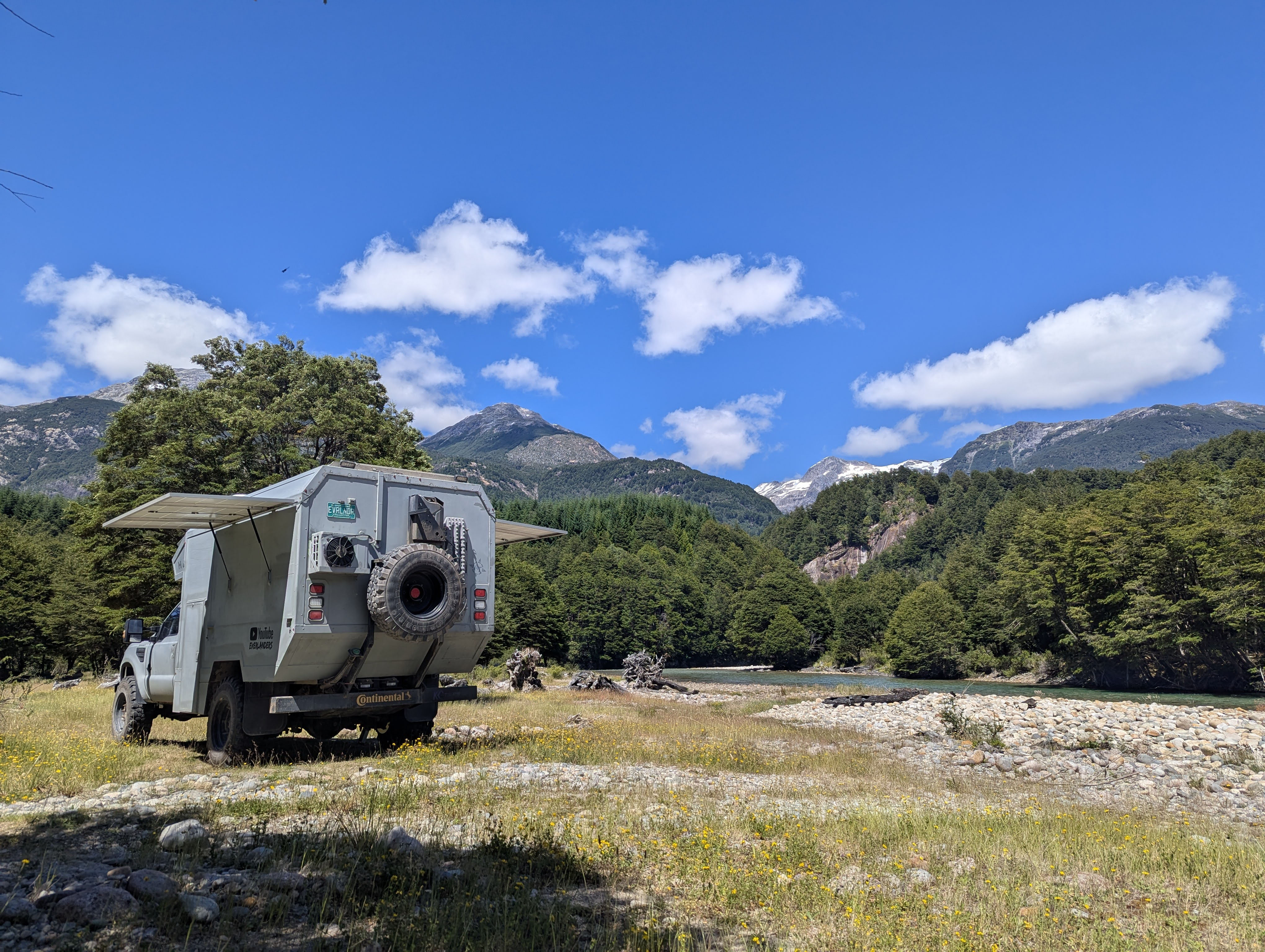
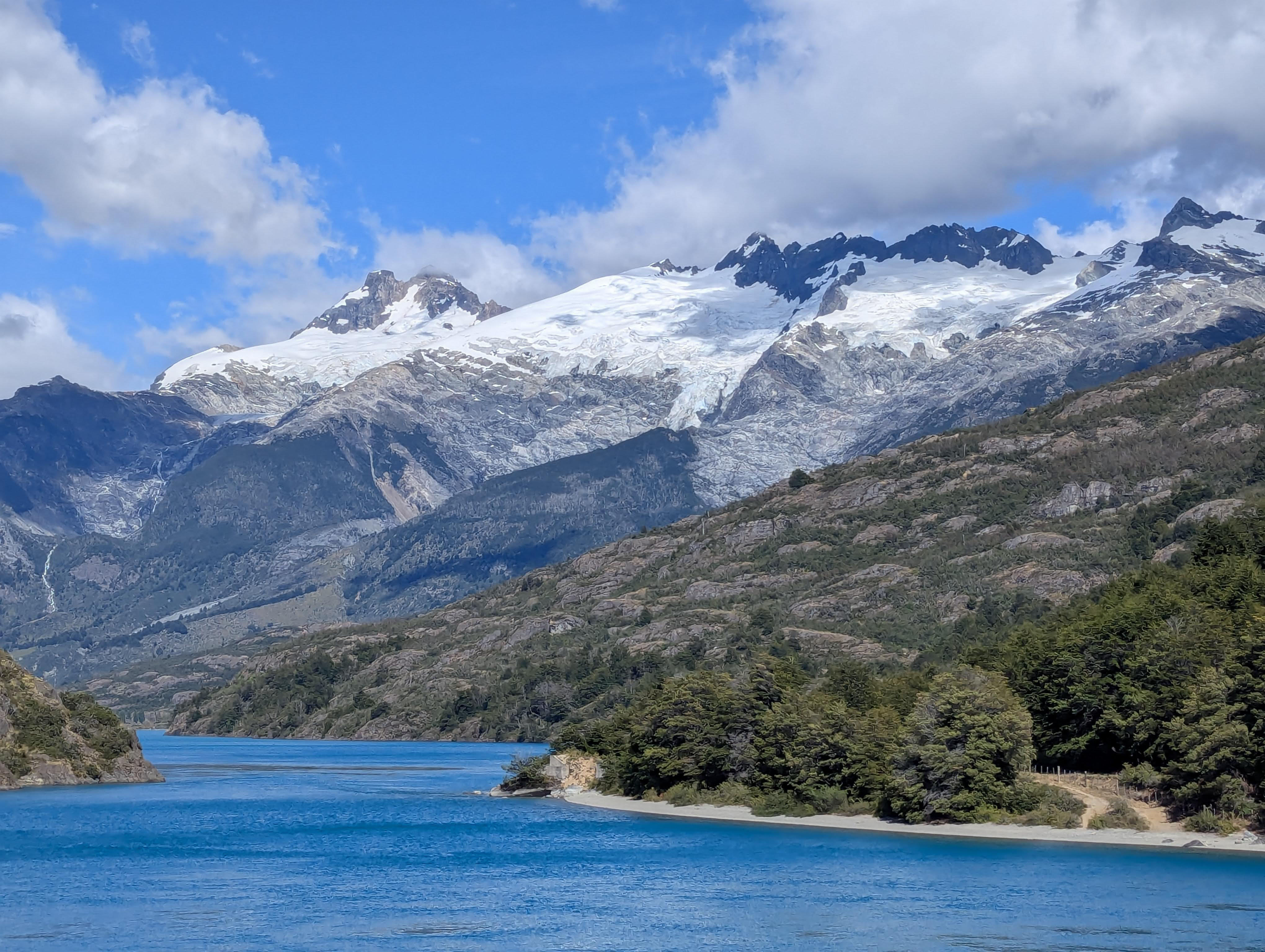
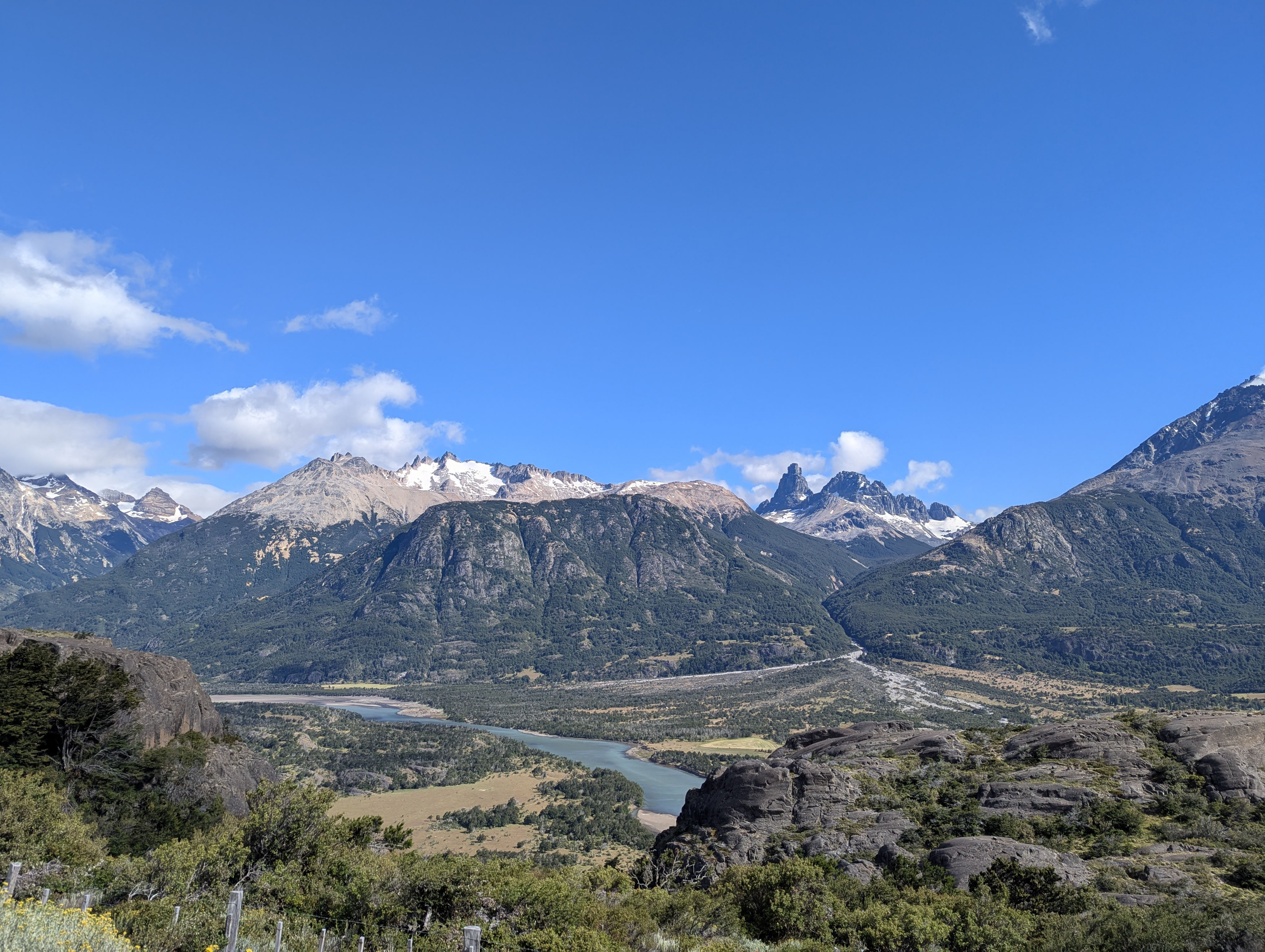
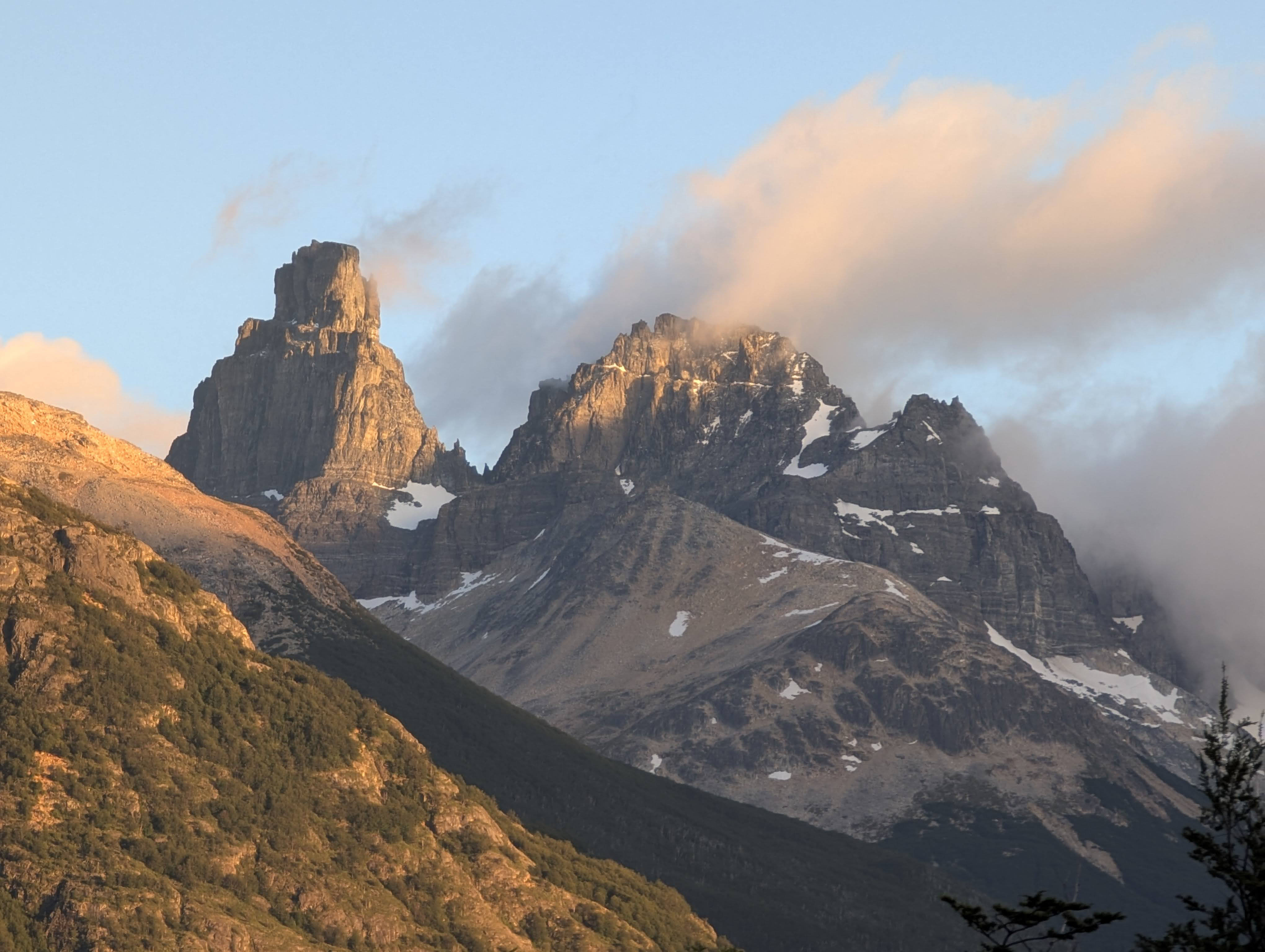
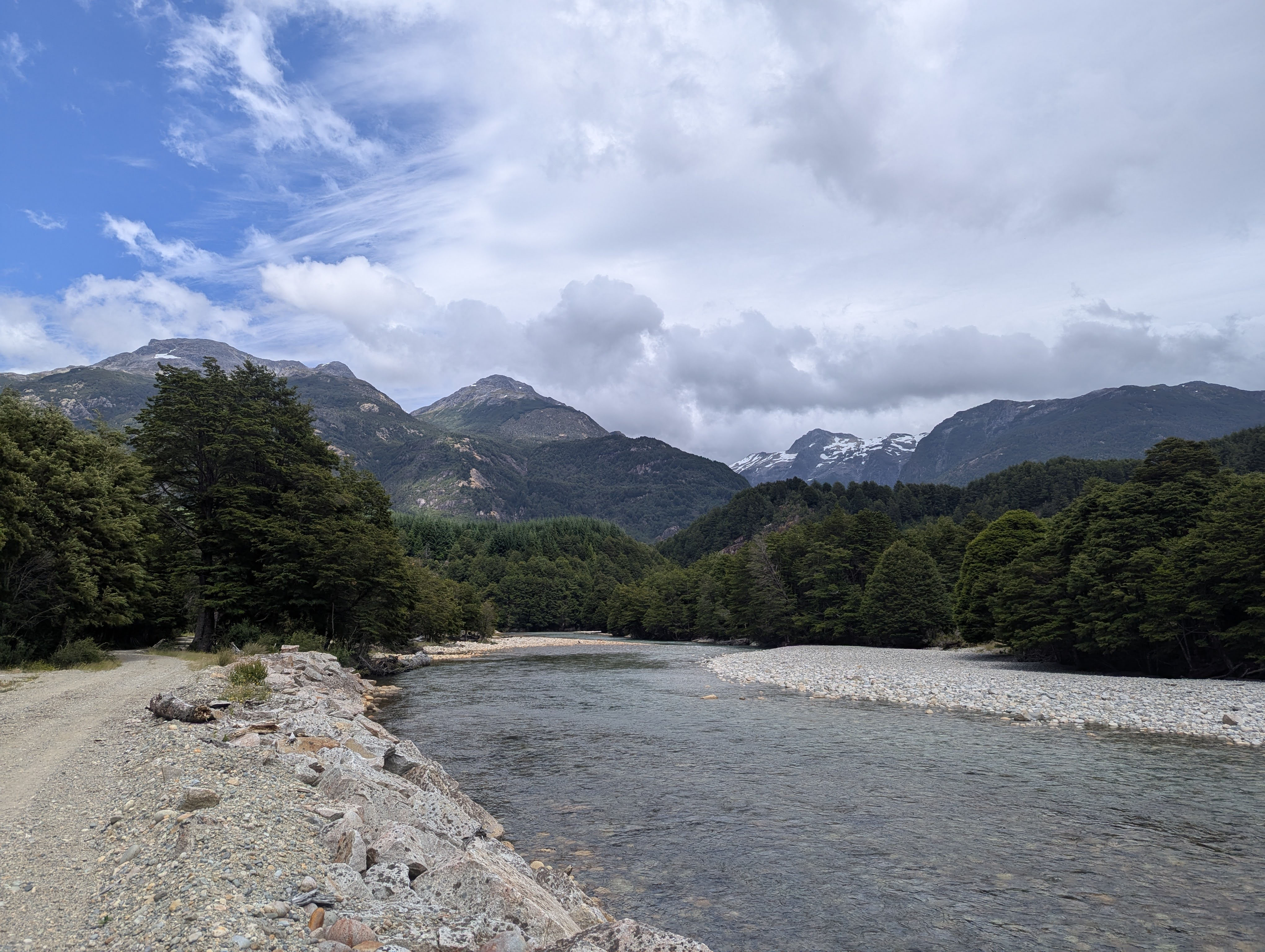
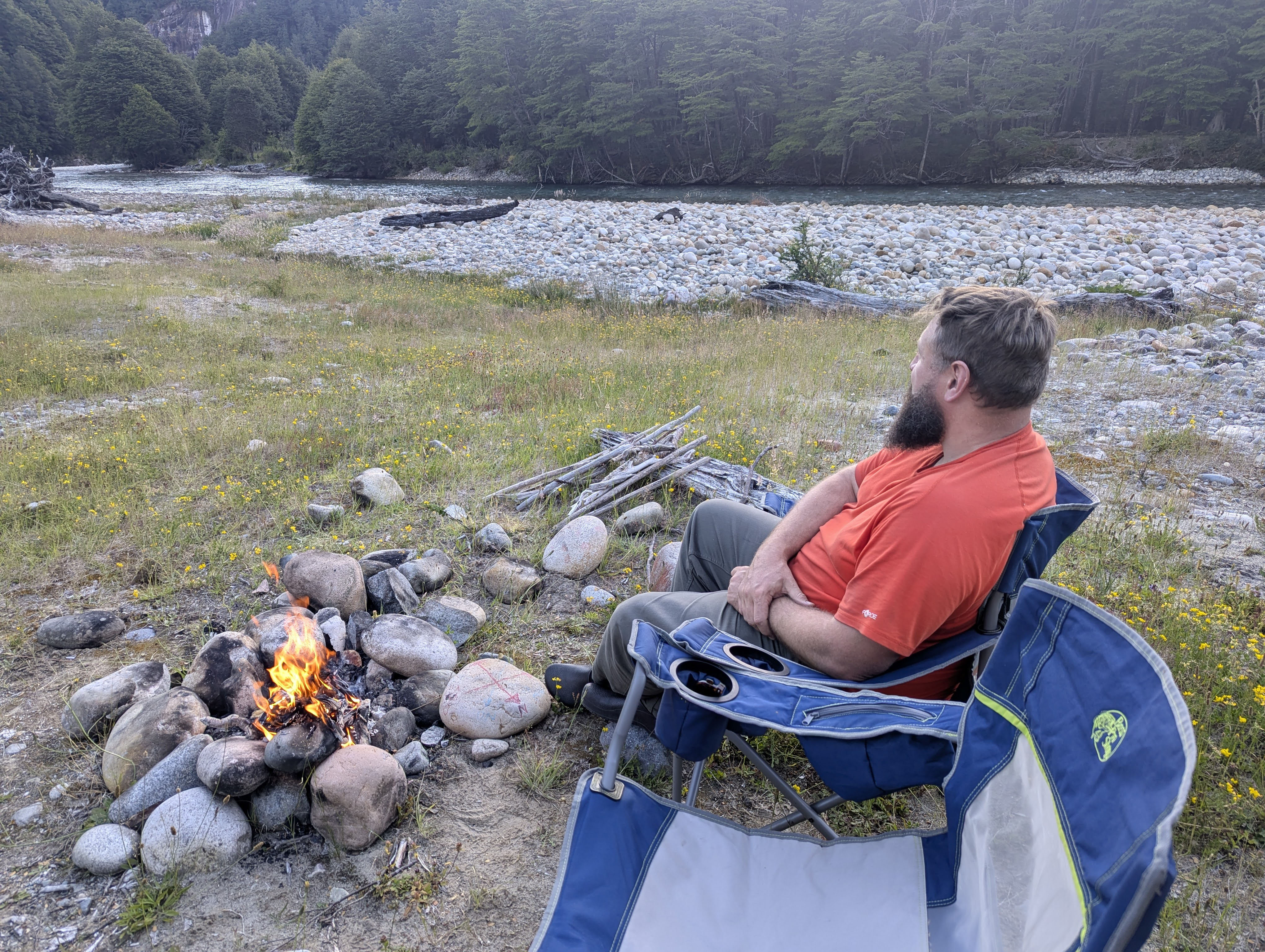
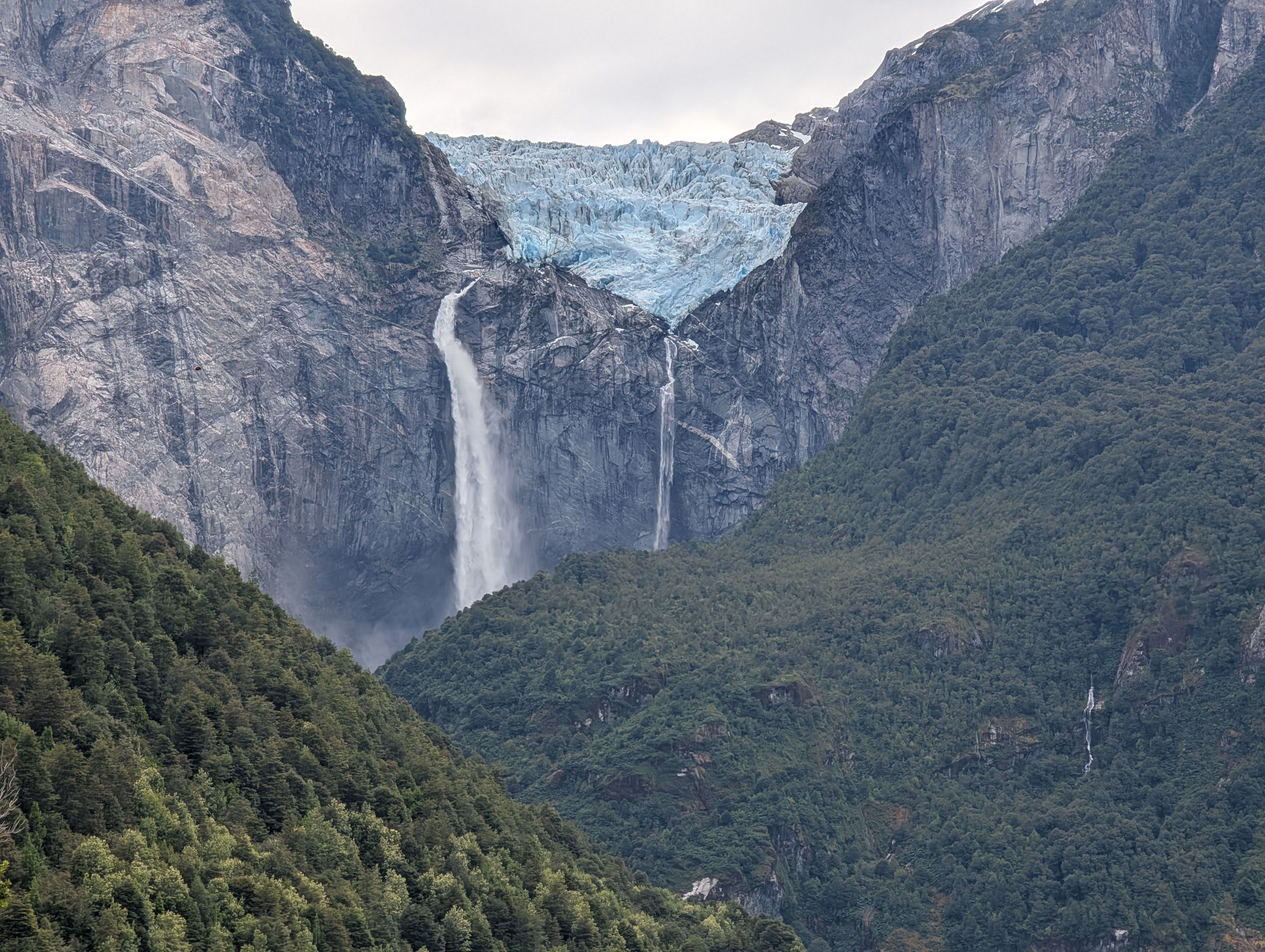
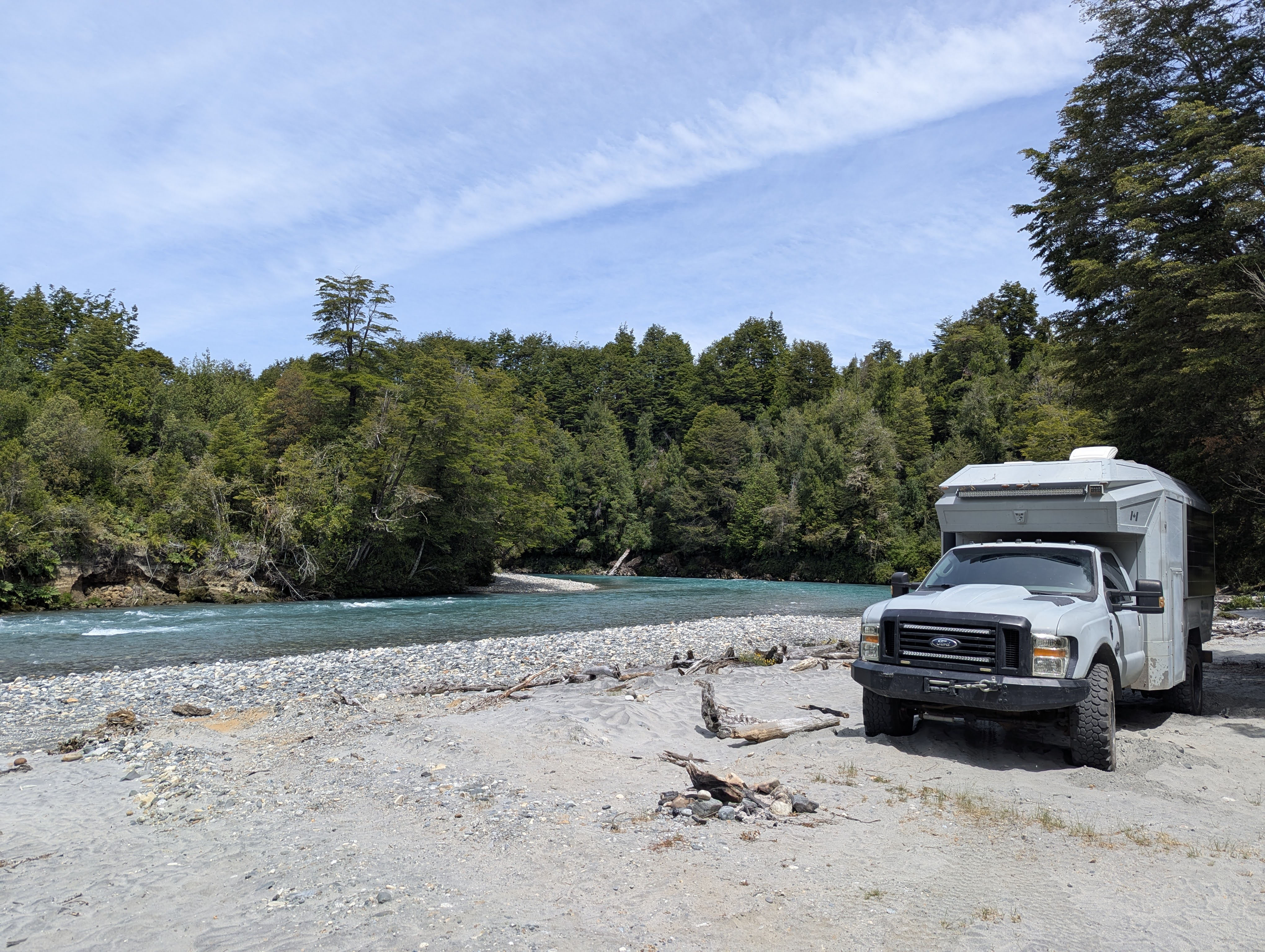
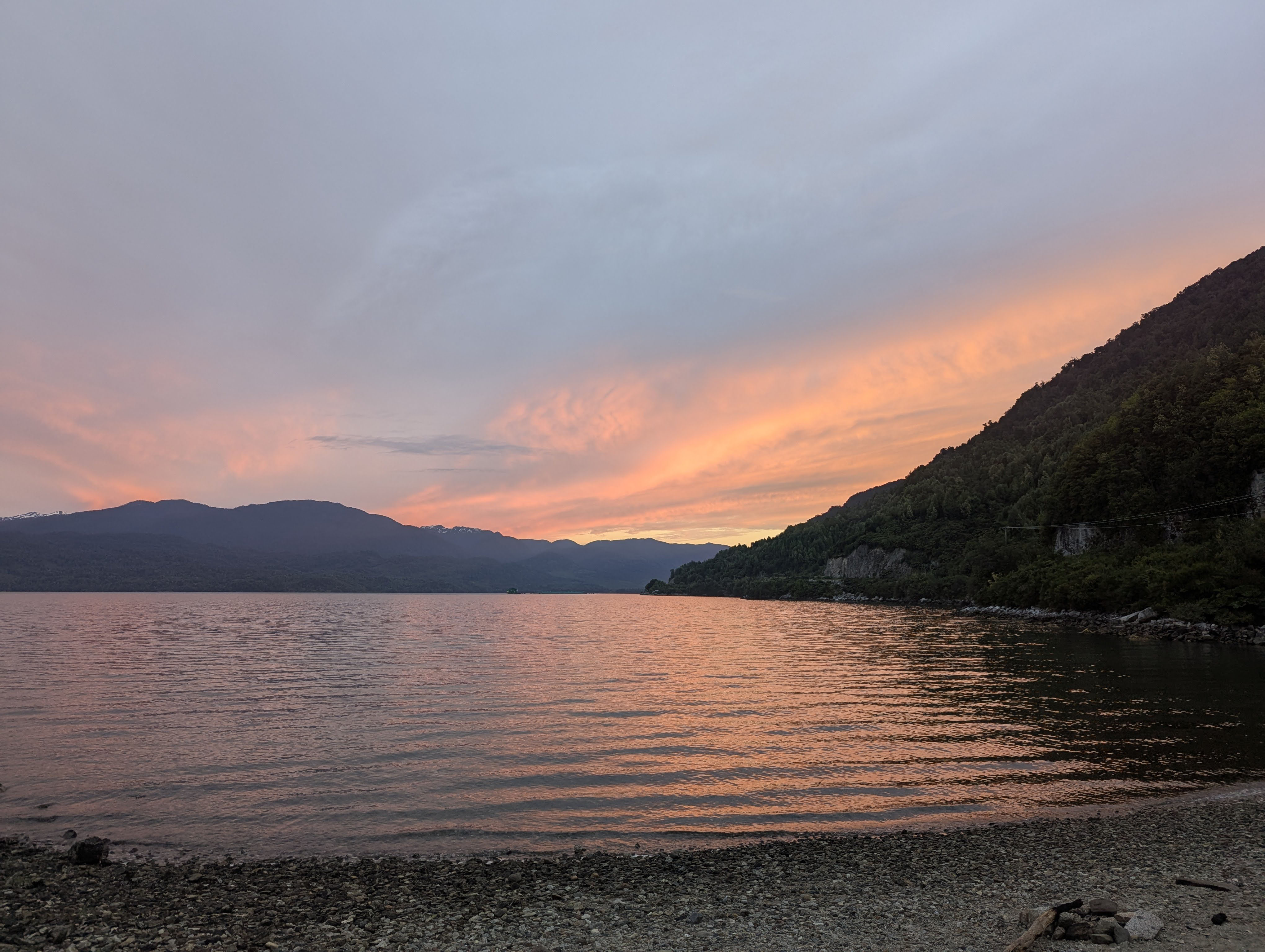
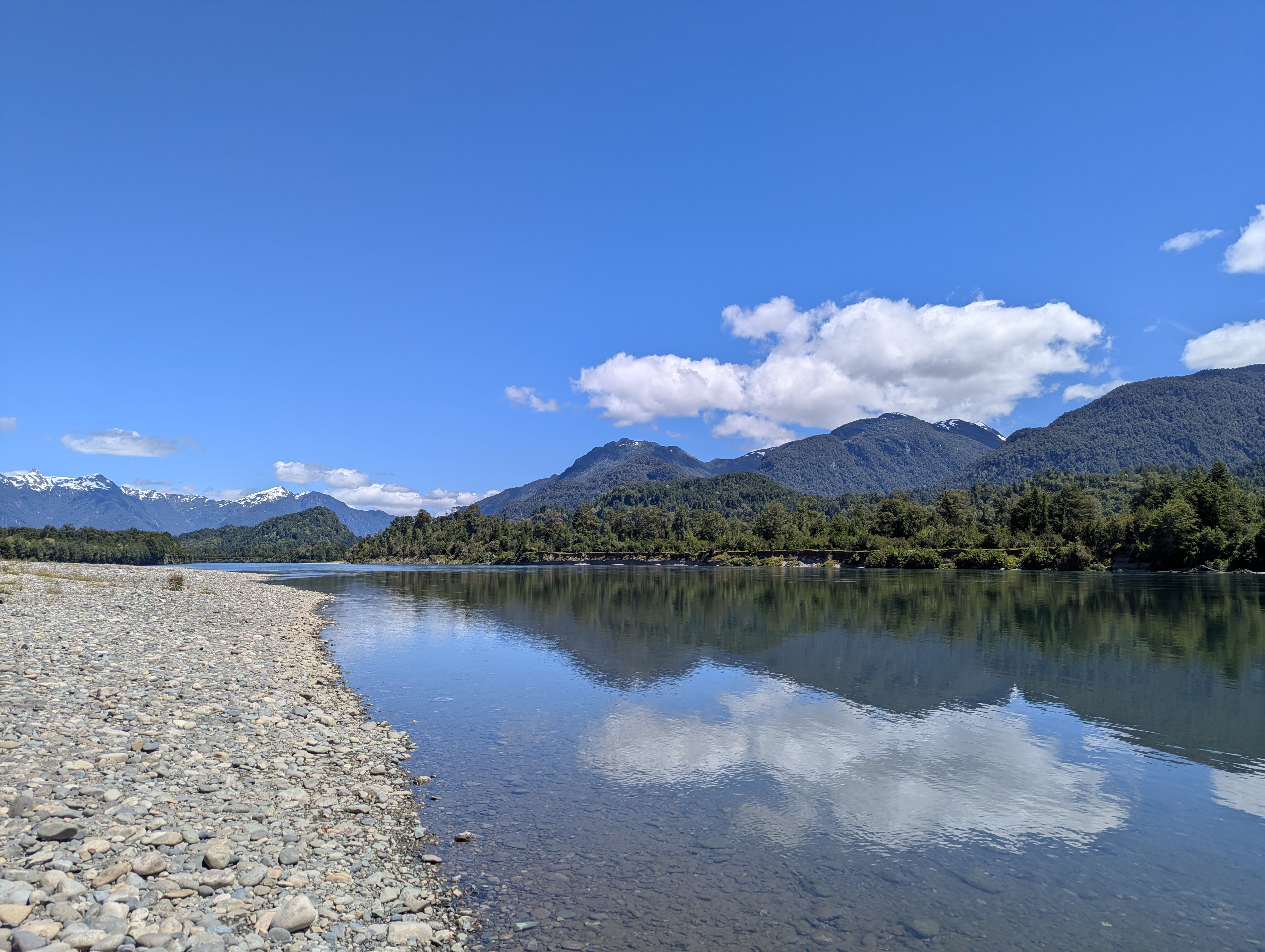
The Carretera Austral, Chile’s iconic north-south highway, has been one of our absolute highlights while overlanding through South America. As we drove along this stunning route, we discovered countless opportunities for incredible wild camping along riverbanks, with snow-capped mountains providing breathtaking backdrops in every direction. For self-sufficient overlanders traveling in vehicles equipped with their own bathrooms and amenities, the Carretera Austral offers a paradise of pristine nature, allowing us to camp responsibly and leave minimal impact on the environment. It’s a perfect escape from the bustling cities and towns, providing a peaceful sanctuary immersed in the beauty of Chilean Patagonia.
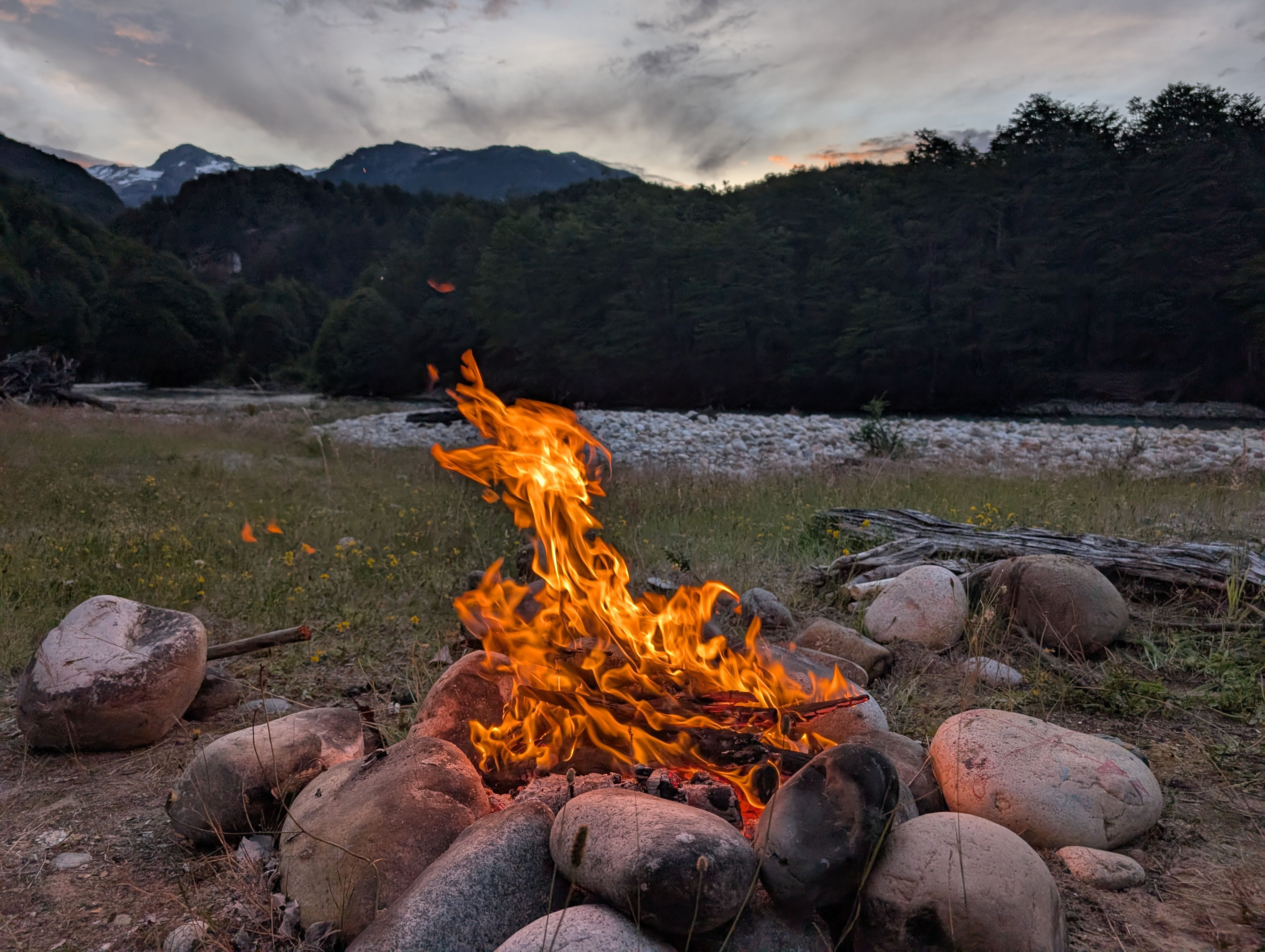
For adventurous spirits like ours, the journey along the Carretera Austral is just the beginning. The highway branches off into many smaller, often gravel roads that lead to hidden treasures far away from any crowds. These remote pathways have taken us to some of our most memorable camping experiences yet, nestled deep in untouched landscapes. Imagine spending your evenings gathered around a relaxing campfire beneath a dazzling starry sky—just remember to always check for local fire restrictions before lighting your fire. And as an incredible bonus, some of these off-the-beaten-path spots even feature natural hot springs, offering the ultimate luxury in the wilderness and making our adventures along the Carretera Austral truly unforgettable.


2. Marble Caves of Rio Tranquilo, Chile – Patagonia’s Enchanting Turquoise Caverns
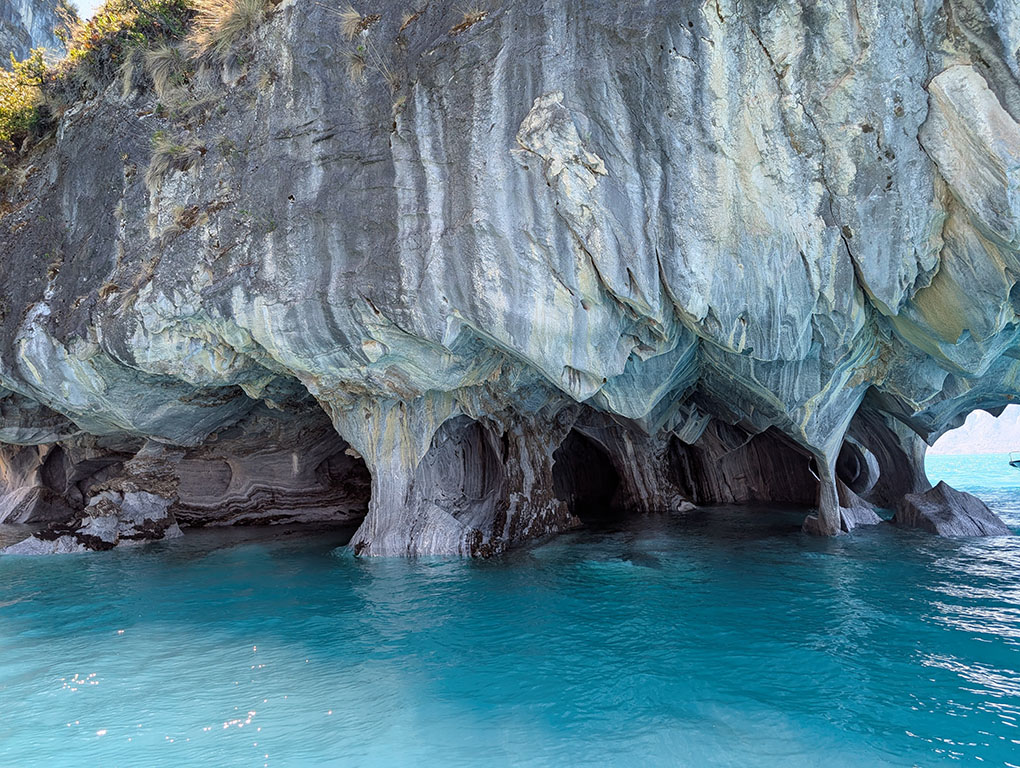
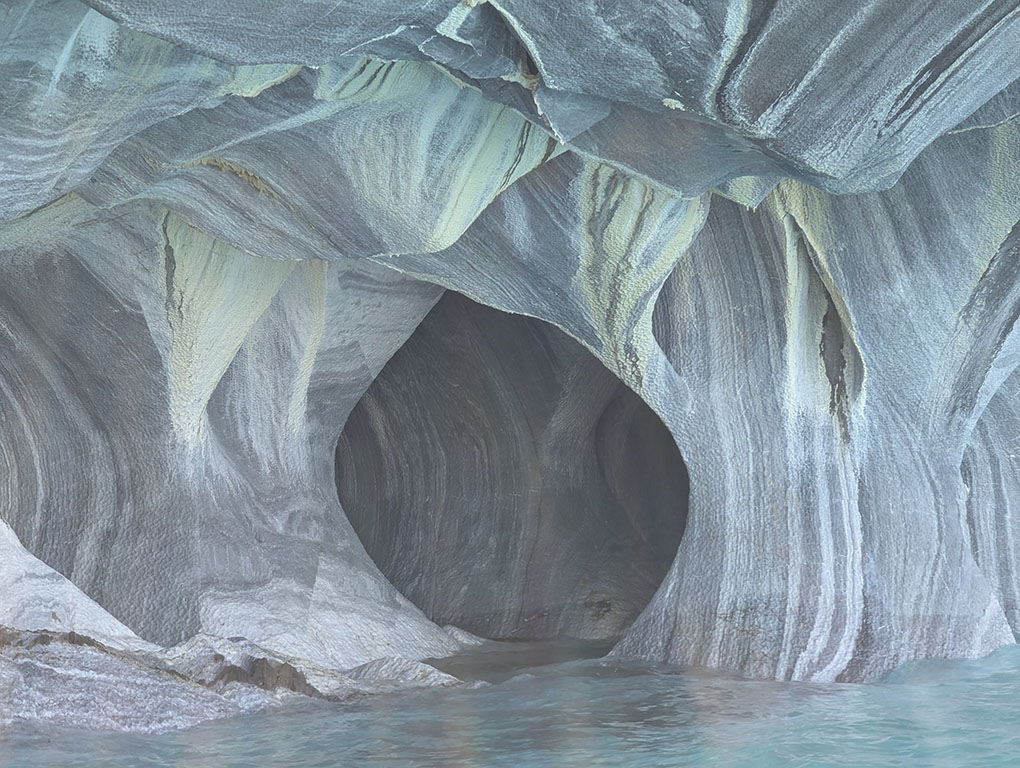
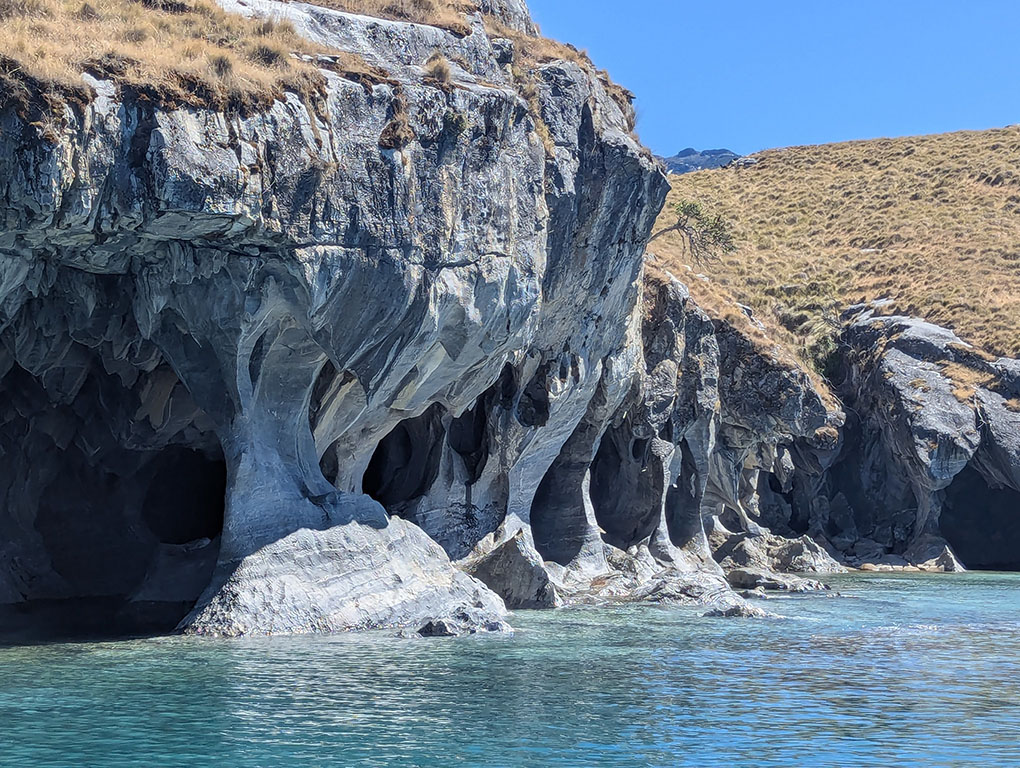
One of the must see attractions along the Carretera Austral is visiting the Marble Caves (Cuevas de Mármol) near the quaint town of Puerto Rio Tranquilo. Nestled along the breathtaking turquoise waters of General Carrera Lake, these caves, carved naturally from soapstone by thousands of years of erosion, are genuinely mesmerizing. Right near the waterfront, there’s a vibrant plaza bustling with at least 15 to 20 different operators. They all offer comparable pricing, and due to the large number of operators, you should never have trouble finding a ride, even during busy seasons.
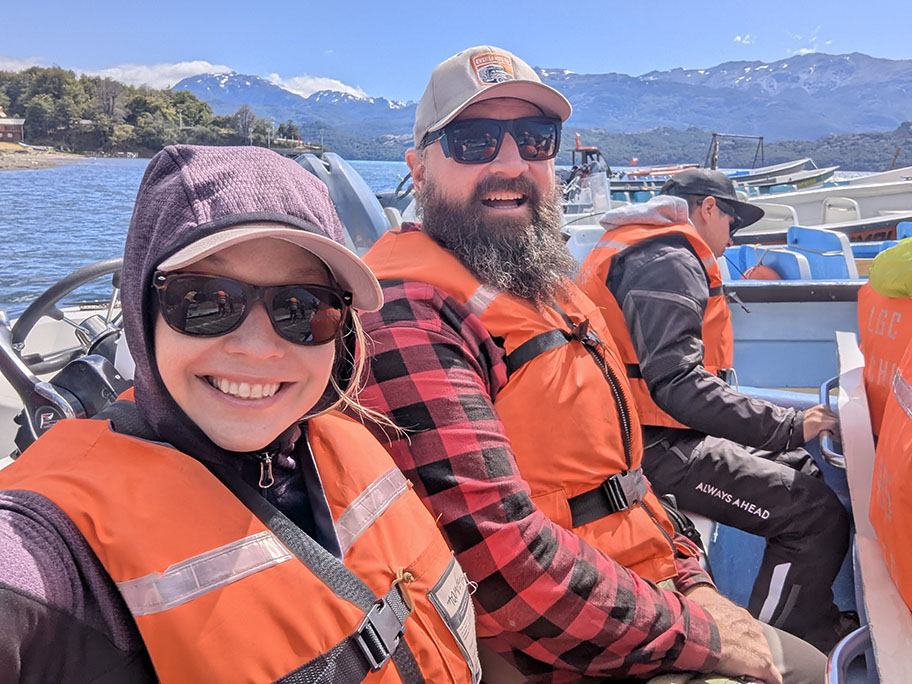
Now, brace yourself for the actual boat ride, as you get up close and personal with these amazing formations. The boat operators seem determined to squeeze their sizable twenty-person vessels into even the smallest, most delicate cave formations, much to everyone’s delight. It might feel a bit chaotic initially, but the operations get you very close to the formations; so close that you could almost touch them! After navigating the rugged Carretera Austral to reach Rio Tranquilo, you’ll appreciate the town’s welcoming tourist vibe. It’s refreshingly convenient with numerous restaurants offering everything from hearty Patagonian lamb burgers to delightful Asado (barbecue) restaurants, perfect for refueling after an adventurous day exploring one of Patagonia’s natural wonders.




3. Ferry from Caleta Yungay to Puerto Natales – A Scenic Ferry Adventure Through Patagonia’s Remote Fjords
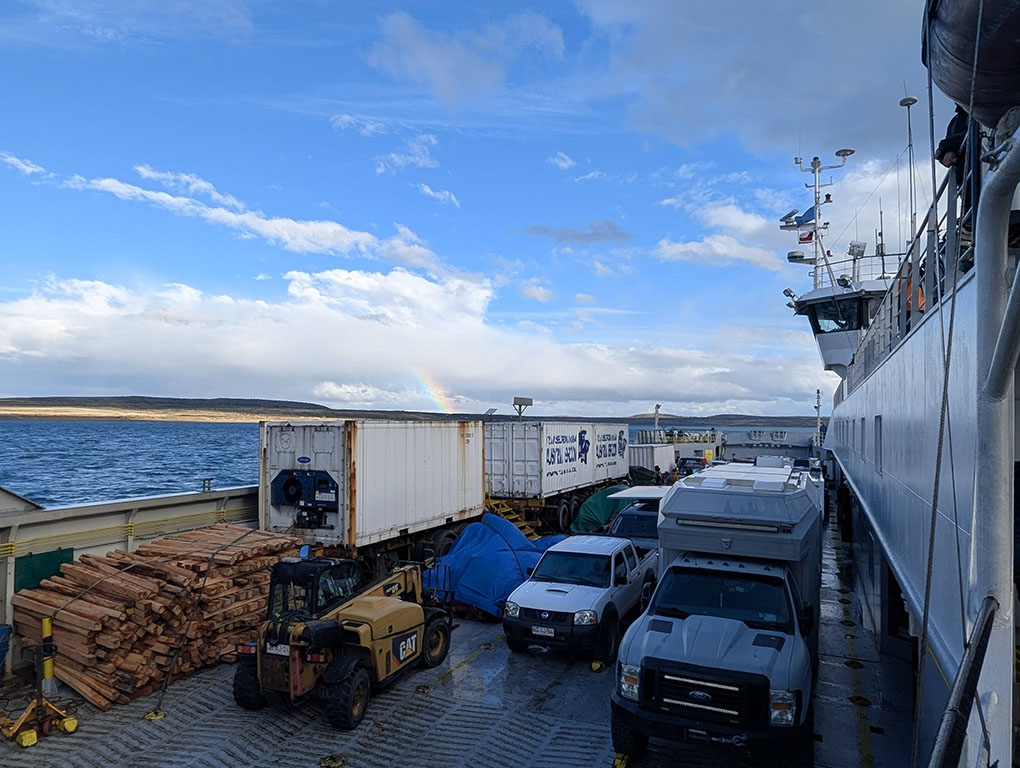
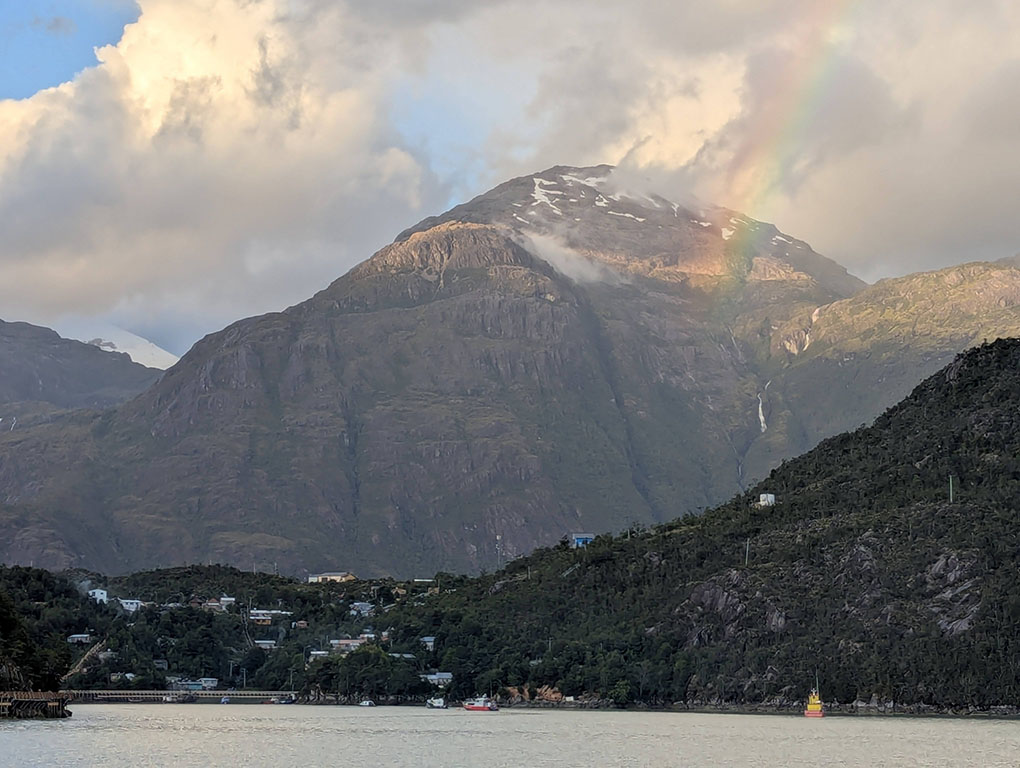
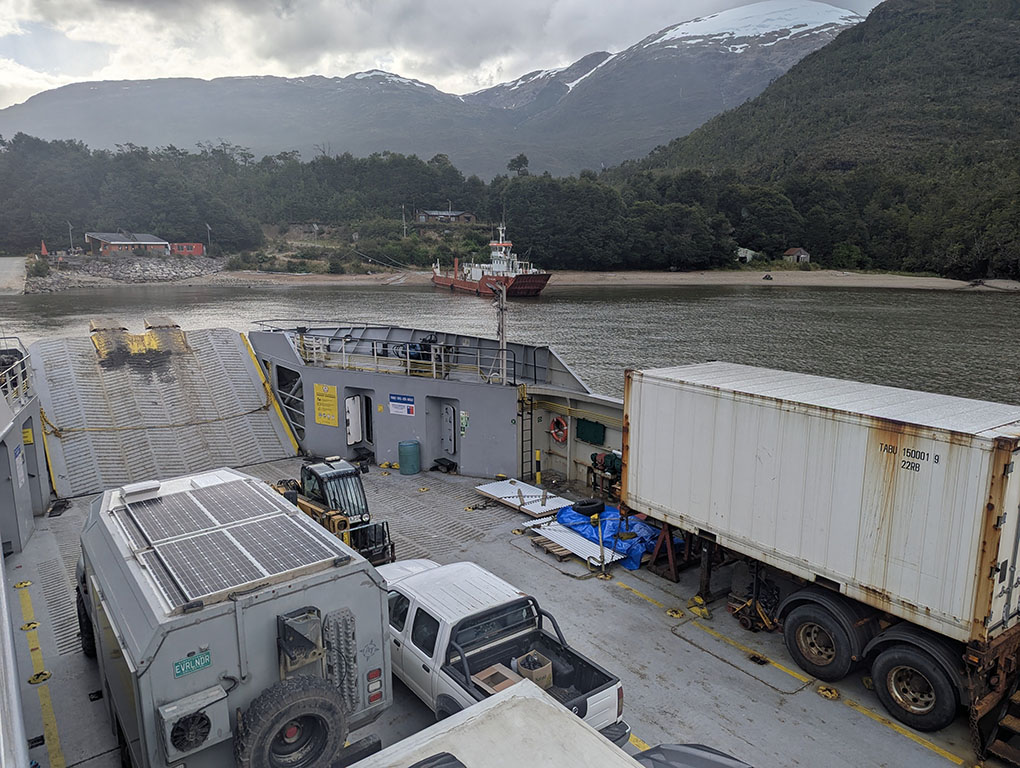
Embarking on the 500-kilometer ferry journey from Puerto Yungay to Puerto Natales was a thrilling prospect for us overlanders. Maneuvering our truck onto the Crux Australis ferry, we anticipated a scenic respite from the rugged terrains of the Carretera Austral. This 41-hour voyage, spanning three days and two nights, promised a unique perspective of Chilean Patagonia’s fjords and channels.
The ferry’s design caters thoughtfully to travelers like us. While there are no private cabins, the vessel offers comfortable reclining seats in a spacious lounge area, reminiscent of upscale airline seating. However, the true advantage for overlanders lies in the ability to access our vehicles throughout the journey. This meant we could prepare our own meals and sleep in our familiar beds, ensuring both comfort and convenience.
An unexpected highlight of the trip was our impromptu role as onboard tech facilitators. When we realized that the ship’s satellite internet was not open to passengers, we shared our Starlink connection, by spinning up a new Wi-Fi access point available to everyone. We quickly became popular among the other travelers eager to reconnect with the outside world!
A particularly intriguing part of the trip was passing by the famous shipwrecks in the Messier Channel—namely, the Santa Leonor and the Capitán Leonidas, stranded together near Bajo Cotopaxi reef. The Santa Leonor met her fate first in 1965 under uncertain circumstances, becoming permanently grounded atop the submerged reef. A few years later, in 1968, the Capitán Leonidas joined her—though whether by accidental grounding during poor visibility or deliberately for insurance purposes remains the subject of local legend and speculation.
Today, these two partially submerged vessels lie visibly atop or near the same reef, leading many travelers to assume one ship directly collided with the other. This intriguing maritime spectacle has become a well-known landmark along this isolated waterway, frequently photographed and discussed among ferry passengers.
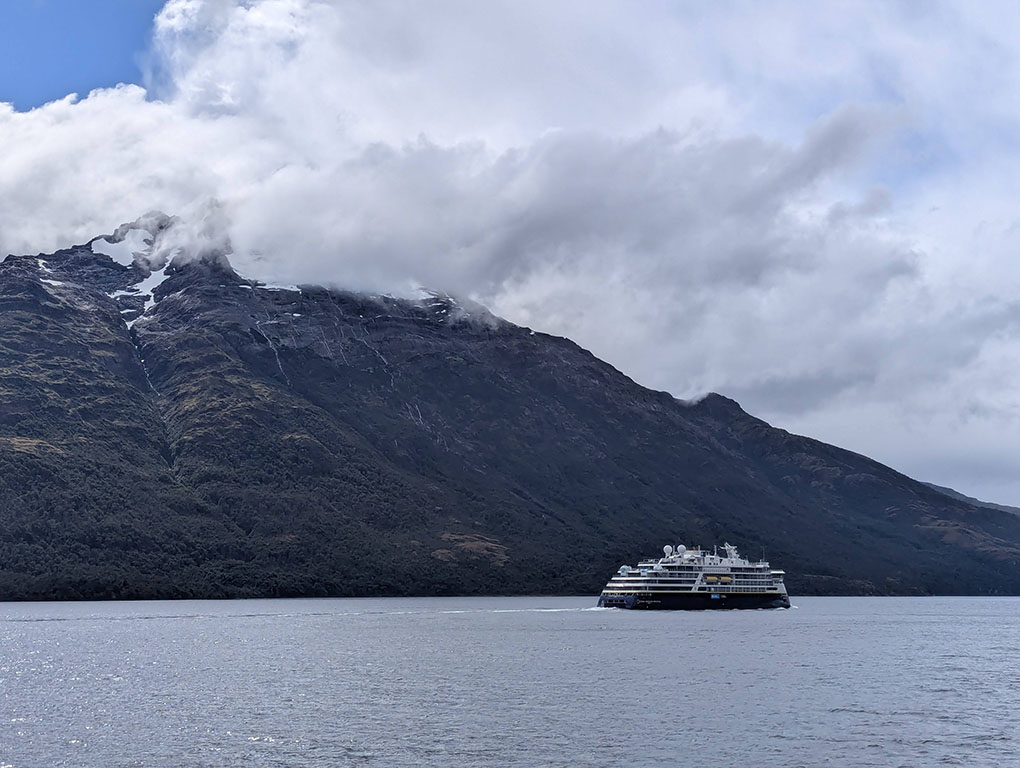
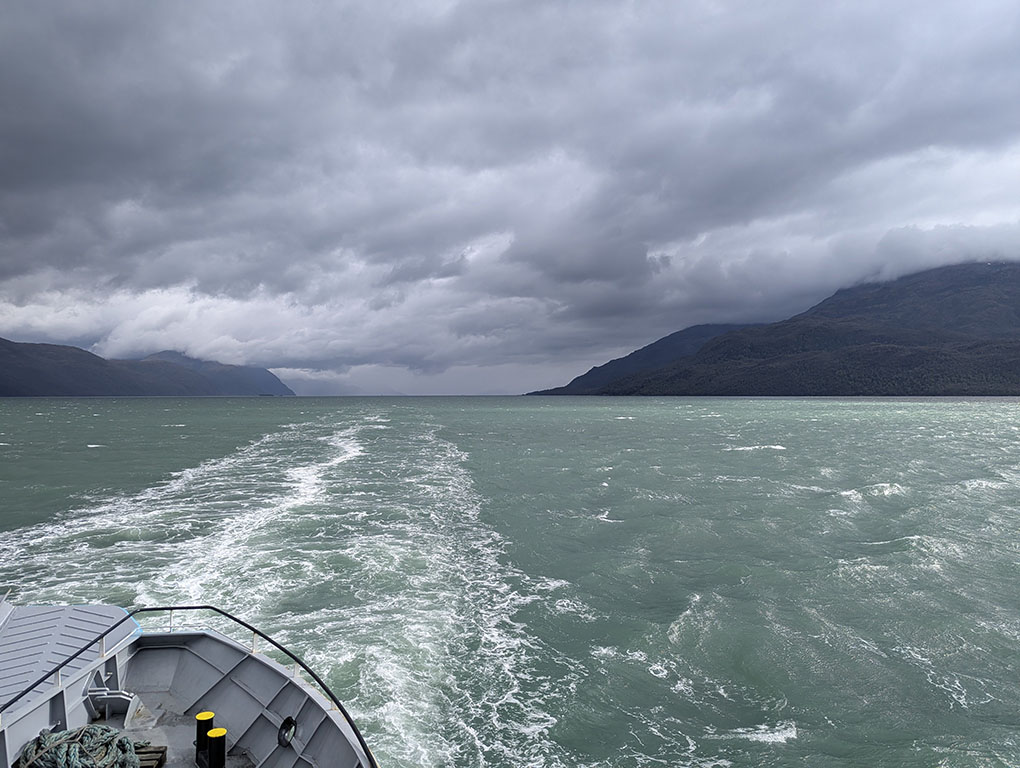
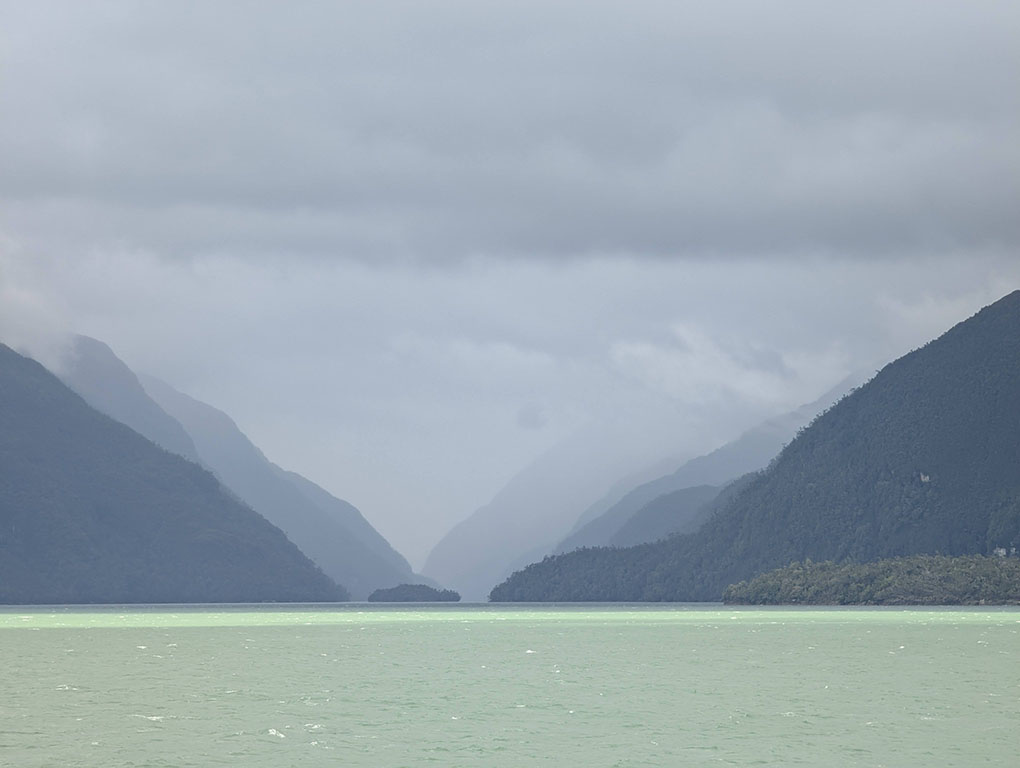
Our voyage, however, was met with the unpredictable Patagonian weather. Persistent rain and drizzle shrouded the majestic landscapes in mist, resulting in photos that lacked the vibrant clarity we’d hoped for. Despite the inclement weather, the journey offered unparalleled vistas of remote villages like Puerto Edén, dense forests, and serene waters. The ability to traverse such isolated regions without the demands of driving provided a refreshing interlude in our overlanding adventure.








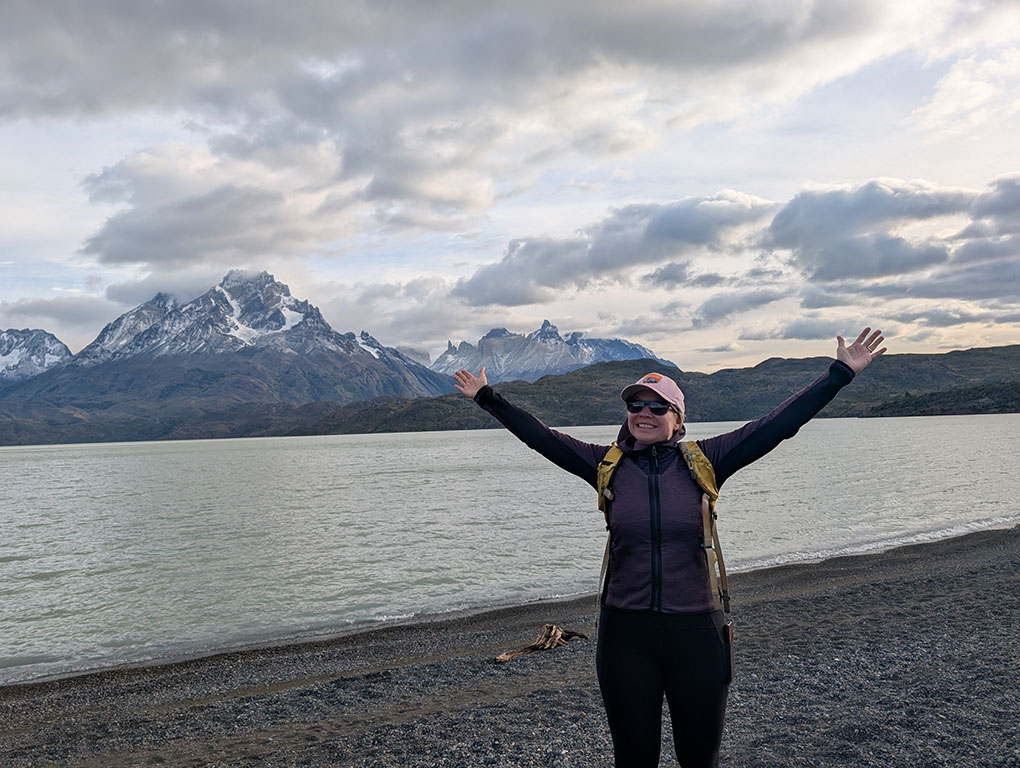
4. Torres del Paine National Park, Chile – Patagonia’s Majestic Peaks and Scenic Drives for Overlanders
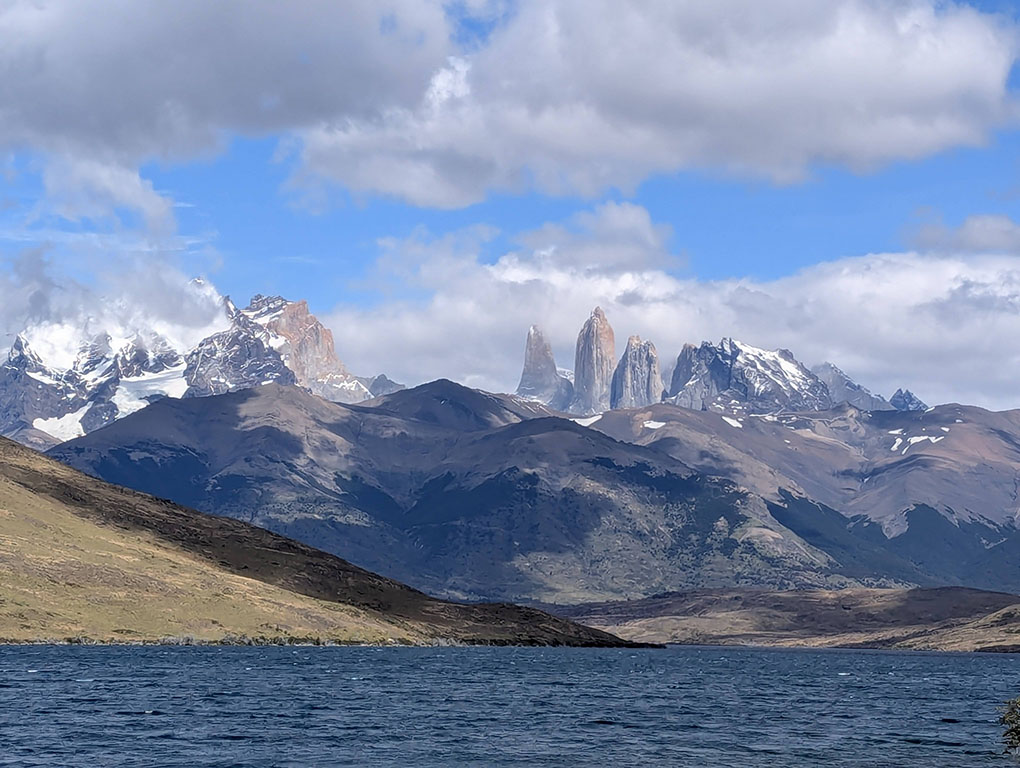
When Jason and I first began planning our overland expedition through Patagonia, Torres del Paine National Park was right at the top of our bucket list—and for good reason. We even had a picture of the iconic Torres del Paine spires, cut out from a National Geographic and pasted on our bathroom mirror for many years, as travel motivation before we started this journey.
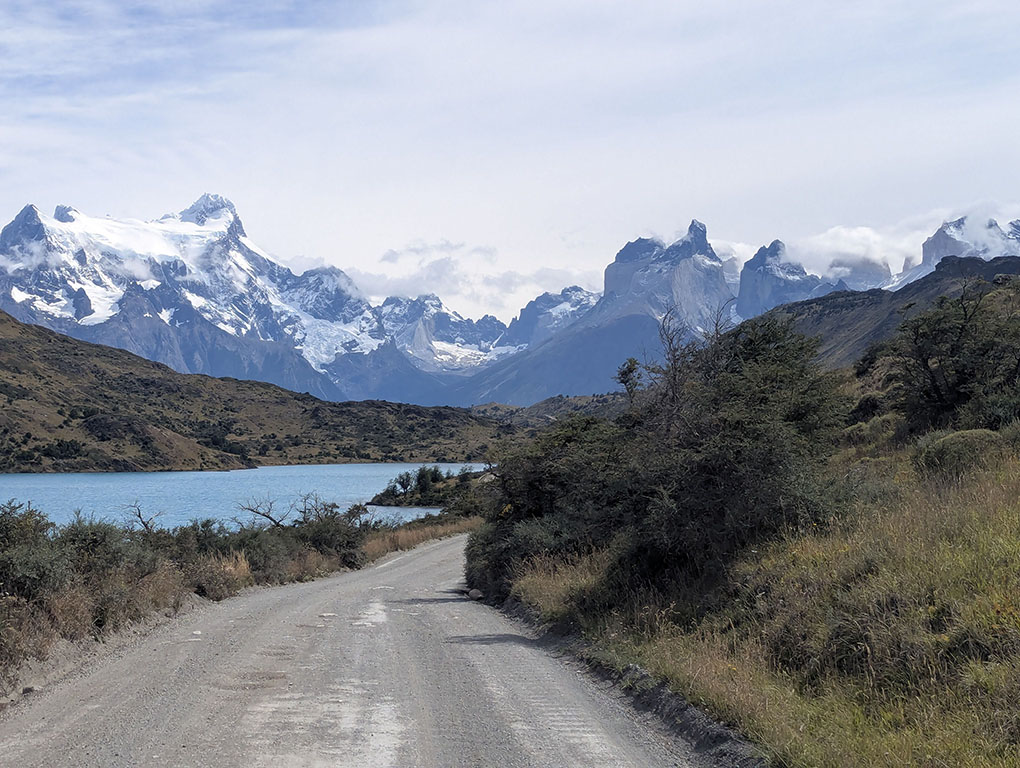
While many travelers flock to this iconic Chilean park primarily to tackle the renowned 24-kilometer hike up to the legendary spires, we quickly discovered there’s so much more to experience here, especially for Overlanders exploring by camper or expedition vehicle. We opted to purchase the comprehensive three-plus-day pass, which allowed us ample time to leisurely drive every accessible road within the park and soak in the stunning vistas at each mirador. Highlights like Salto Grande waterfall, with its powerful cascades tumbling into turquoise waters, and Cascada Rio Paine, a lesser-known but equally breathtaking waterfall, absolutely shouldn’t be missed.
One essential tip we learned—and something crucial for fellow overlanders—is that wild camping within Torres del Paine is strictly prohibited, aimed at protecting the pristine natural environment. Fortunately, the park provides several well-marked, designated free camping sites that offer convenient and picturesque overnight stays.
Of course, no trip to Torres del Paine would be complete without tackling the challenging hike to the iconic spires at Mirador Las Torres Base. Although demanding and definitely not suitable for beginners, the hike rewards you with panoramic views that are truly unforgettable. If you’d like to experience it with us virtually, check out our latest YouTube video where we successfully streamed a live broadcast right from the base of the towers using our trusty Starlink Mini and our DIY, Cheapest Smallest Starlink Battery Pack, perfect for any hiking adventure!





5. Parque Pingüino Rey, Tierra del Fuego, Chile – A Rare Encounter with King Penguins
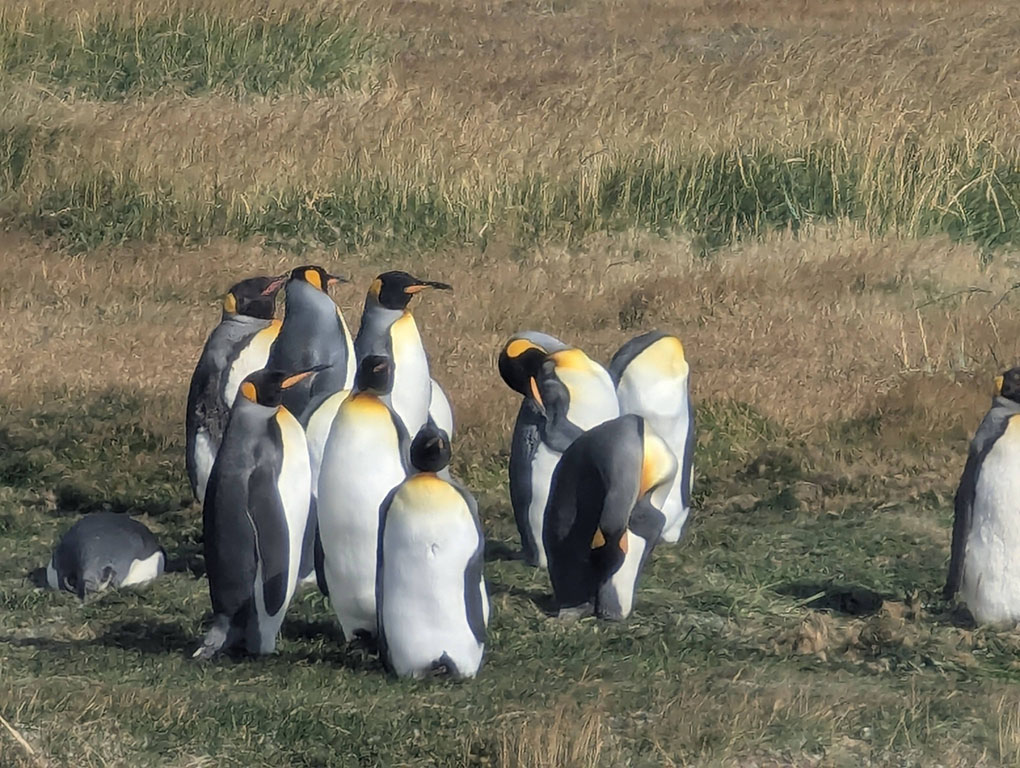
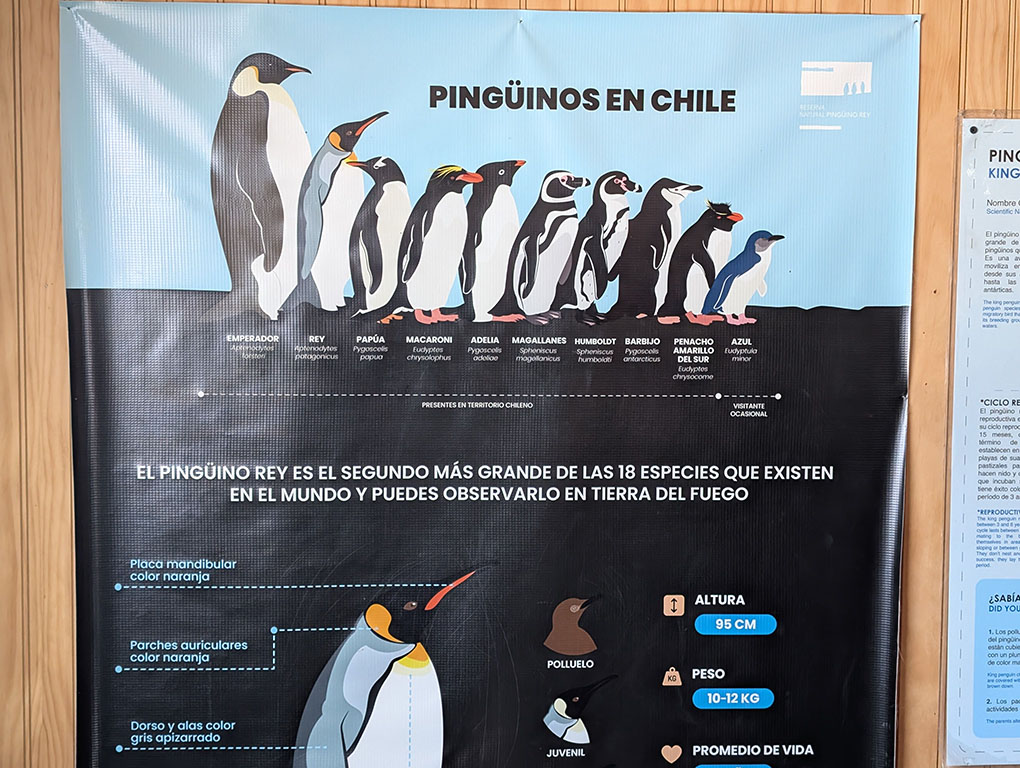
Parque Pingüino Rey in Tierra del Fuego, Chile, is a rare gem. This unique private nature reserve is one of the few places in the world—outside of Antarctica—where you can witness majestic King Penguins thriving in their natural habitat. While it’s slightly off the beaten path and requires a short deviation from the main road, the chance to see these incredible creatures up close made the detour absolutely worthwhile.
When we visited, there were approximately 250 King Penguins calling the reserve home, although they weren’t all present simultaneously. Many were out fishing at sea, leaving others to care for their adorable chicks, which look like fluffy little brown puffballs and are irresistibly cute. The penguin population fluctuates year by year, and while many adults typically depart by March, those caring for chicks stay an additional year to ensure their young are ready to venture into the ocean. The best time to see the penguins is generally between October and March, and visiting with a guided group is required. The reserve thoughtfully provides telescopes, making it easy to observe the penguins’ fascinating behavior from a respectful distance without disturbing their natural routine.


6. Tierra del Fuego National Park, Argentina – Argentina’s Southernmost Adventure
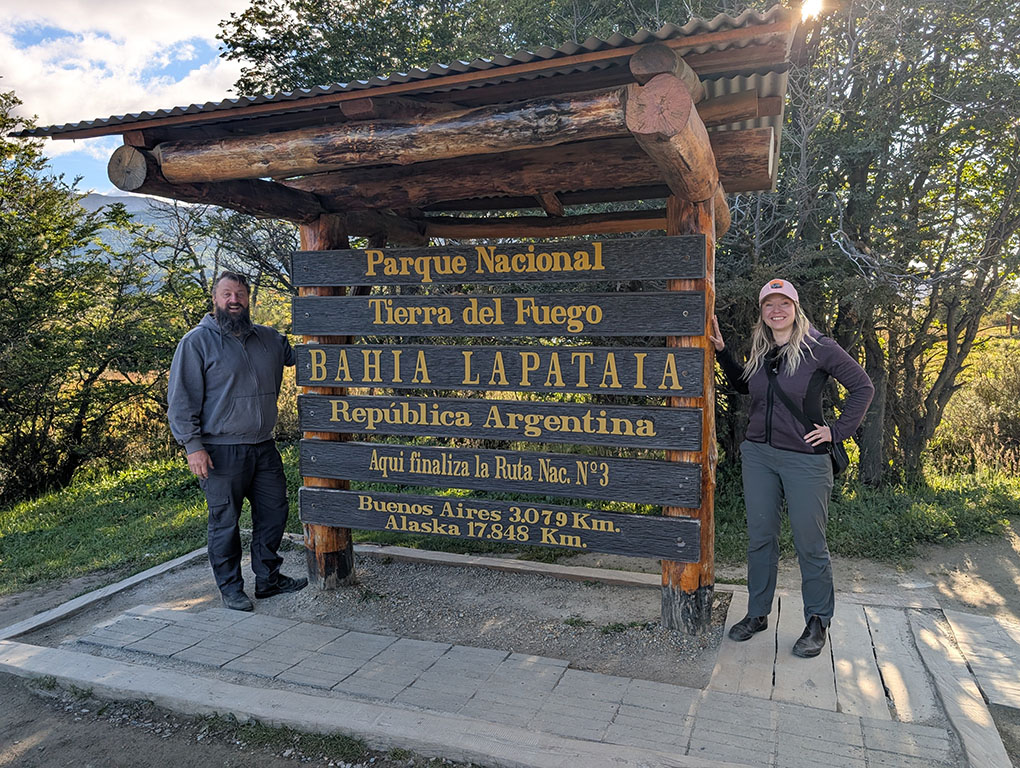
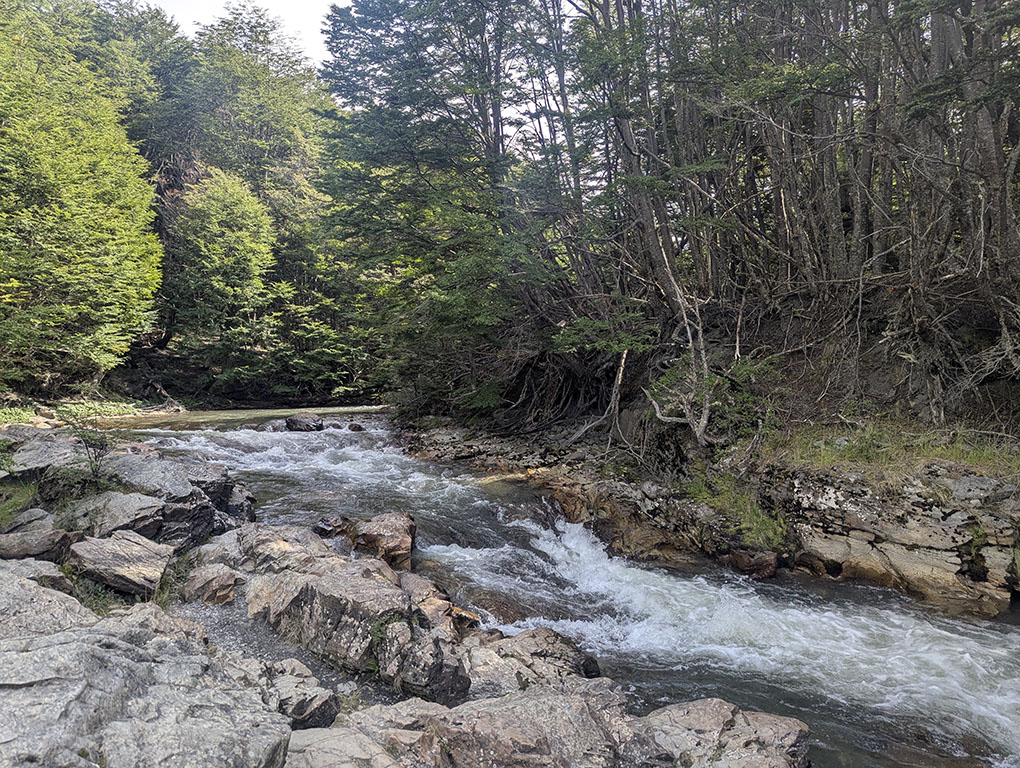
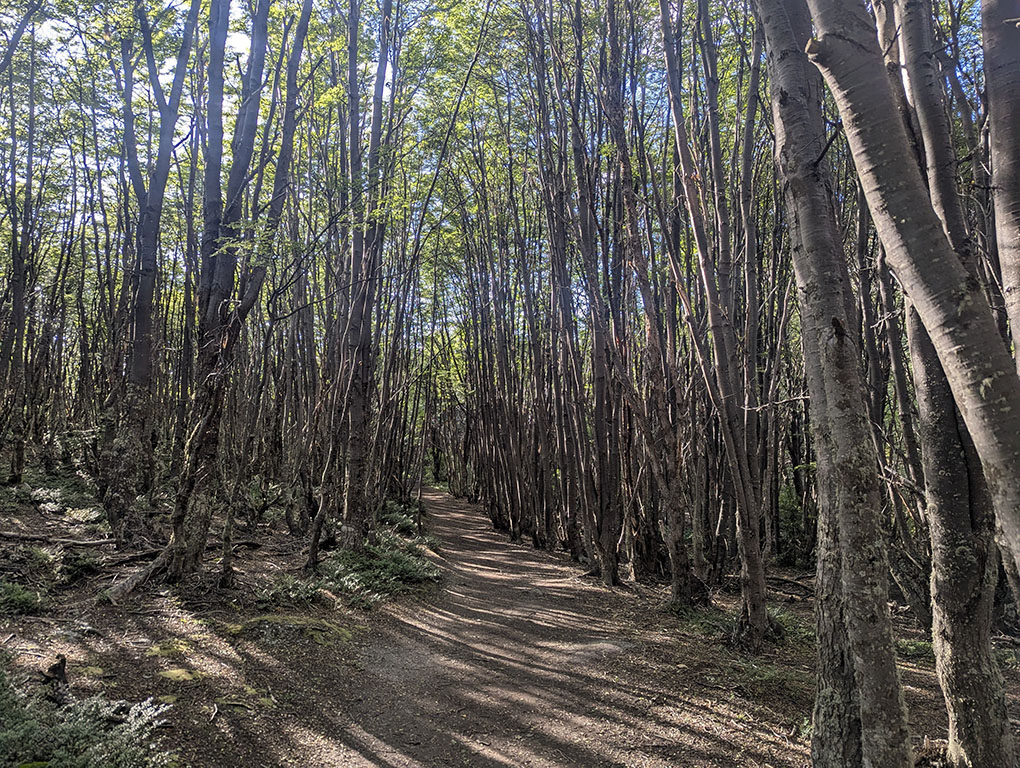
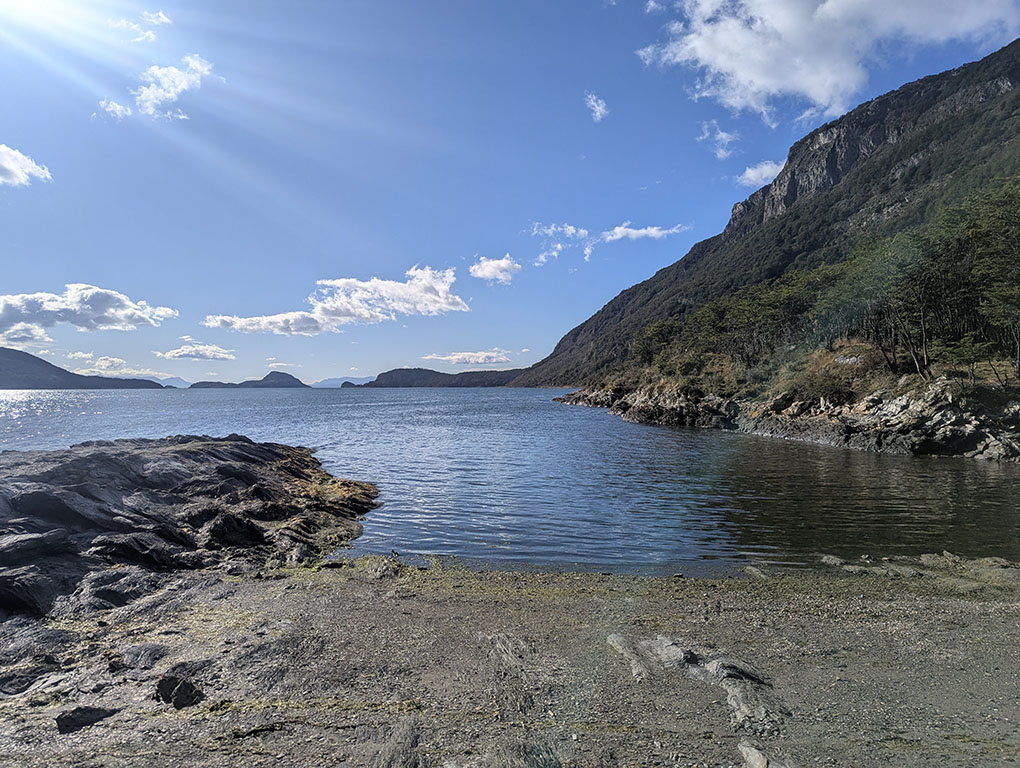
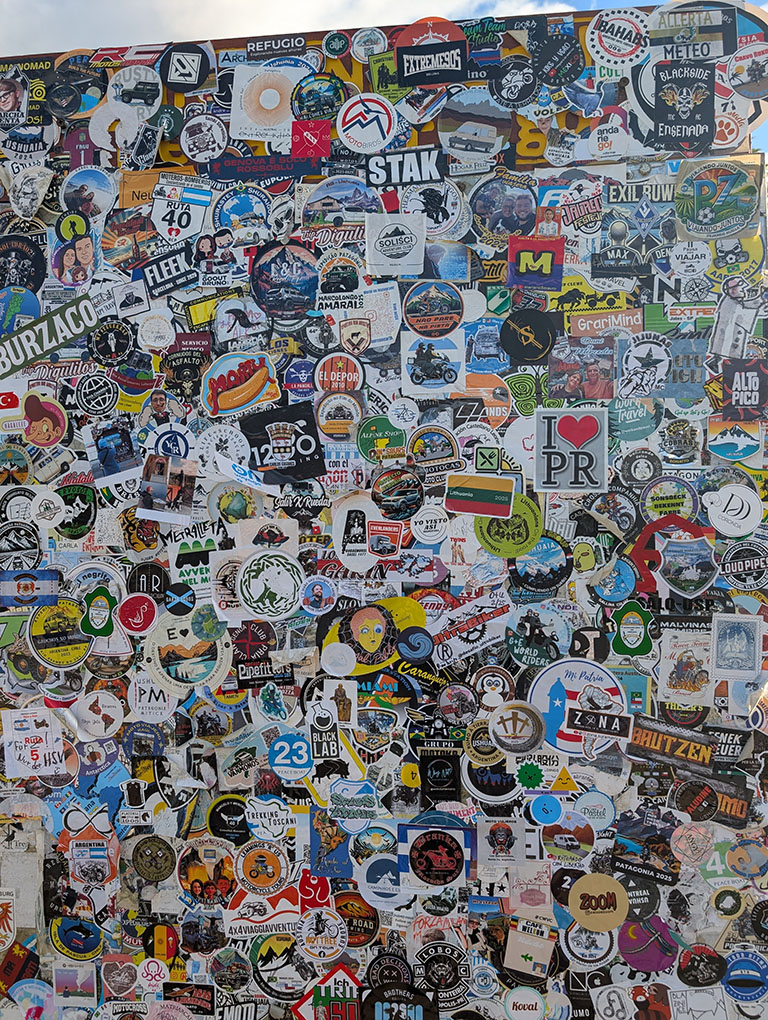
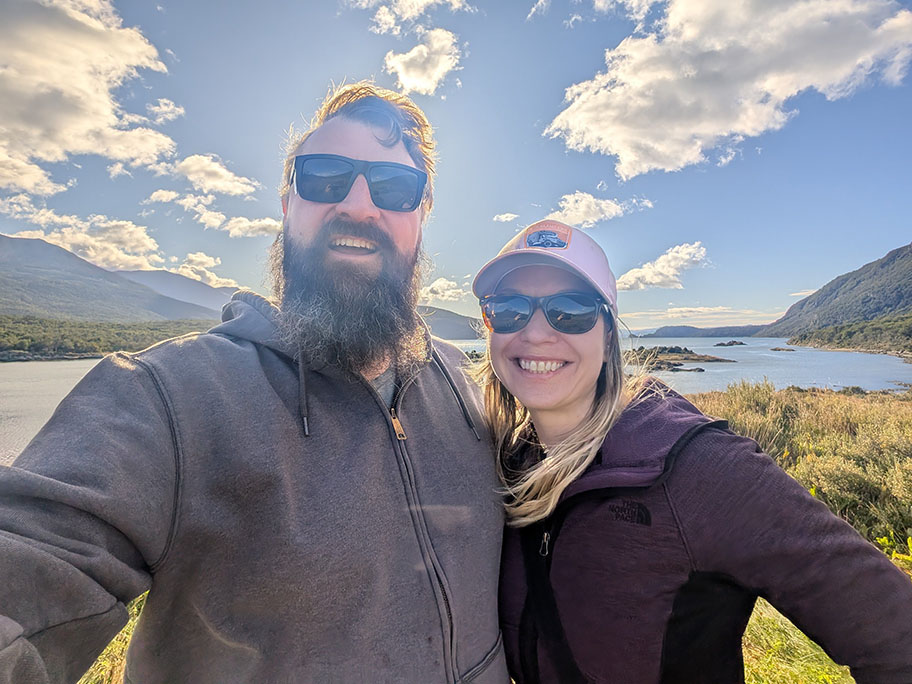
Tierra del Fuego National Park is an awe-inspiring destination located in the southernmost region of Argentina, close to the charming city of Ushuaia. Spanning over 630 square kilometers of pristine Patagonian wilderness, this park is a treasure trove for outdoor enthusiasts and overland adventurers alike. While the park offers an abundance of hiking trails winding through lush forests, dramatic mountains, and tranquil lakes, the highlight for every overlander has to be the drive to the end of the road at Bahia Lapataia. Here, a famous sign marks the terminus of Argentina’s National Route 3, indicating an astonishing distance of 17,848 kilometers from Alaska. Capturing a photo at this iconic location is an absolute must, symbolizing the extraordinary journey of traversing the entire length of the Americas.
While visiting Tierra del Fuego National Park, you’ll see the famed Tren del Fin del Mundo, or “End of the World Train.” Although this historic steam train provides a nostalgic and scenic ride into the Tierra del Fuego National Park, it might disappoint adventurous overlanders. The good news is that navigating the park with your overland vehicle is straightforward with the added bonus that your park admission includes 3 days and 2 nights of free camping at designated spots, making it a convenient way to immerse yourself fully in Patagonia’s raw beauty and take time to celebrate after all those miles!


7. Ushuaia, Argentina – The ‘End of the World’???
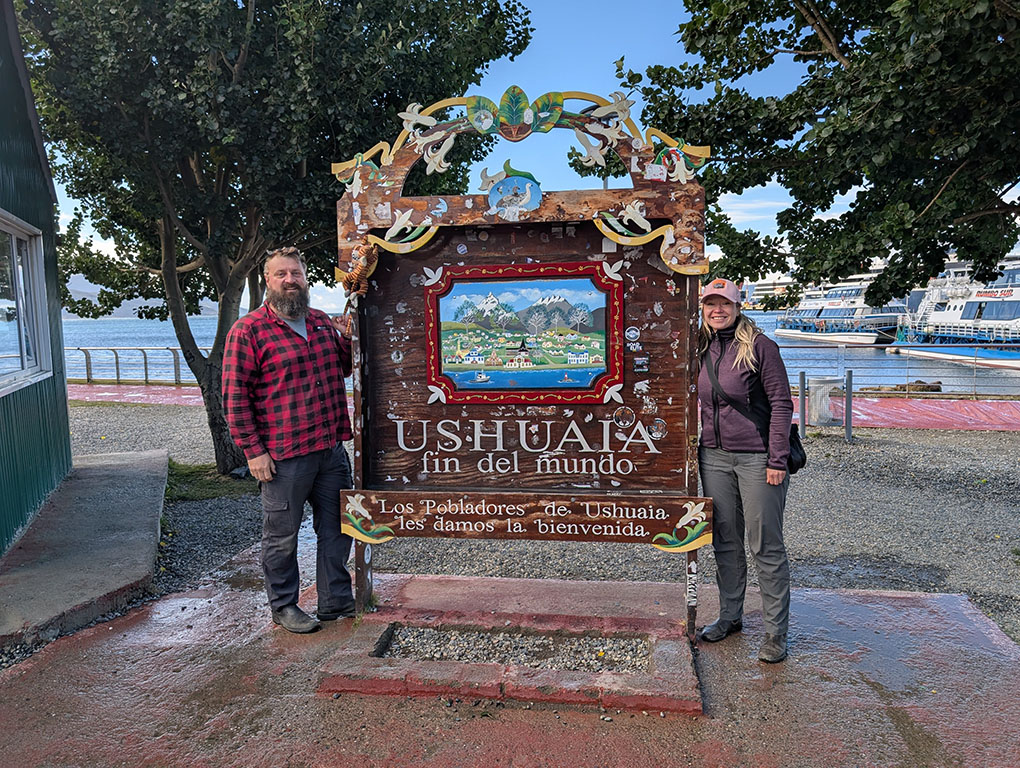
Ushuaia is a vibrant city nestled at the southernmost tip of Argentina, often referred to as “El Fin del Mundo” or “The End of the World.” While it’s undeniably geared toward cruise ship tourism, featuring bustling streets lined with souvenir shops, restaurants, and travel agencies, no overland journey through the Americas feels truly complete without a visit here. A mandatory rite of passage is capturing that iconic photo of your overland vehicle against the backdrop of the striking towers, located on either end of the city. Another must-do is parking downtown and walking along the waterfront promenade until you reach the famous “Fin del Mundo” sign, a moment worthy of a lasting memento of your epic journey.
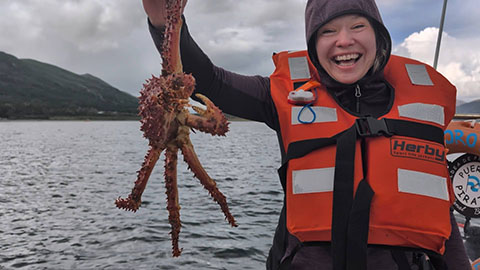
Ushuaia also presents an extraordinary culinary adventure. Seafood lovers shouldn’t miss sampling the locally-caught king crab, served fresh in cozy harbor-side eateries. Equally enticing is the famous Patagonian dish “Cordero al Palo,” tender lamb slowly cooked on an open fire, stretched across skewers for hours until perfectly crispy and succulent.
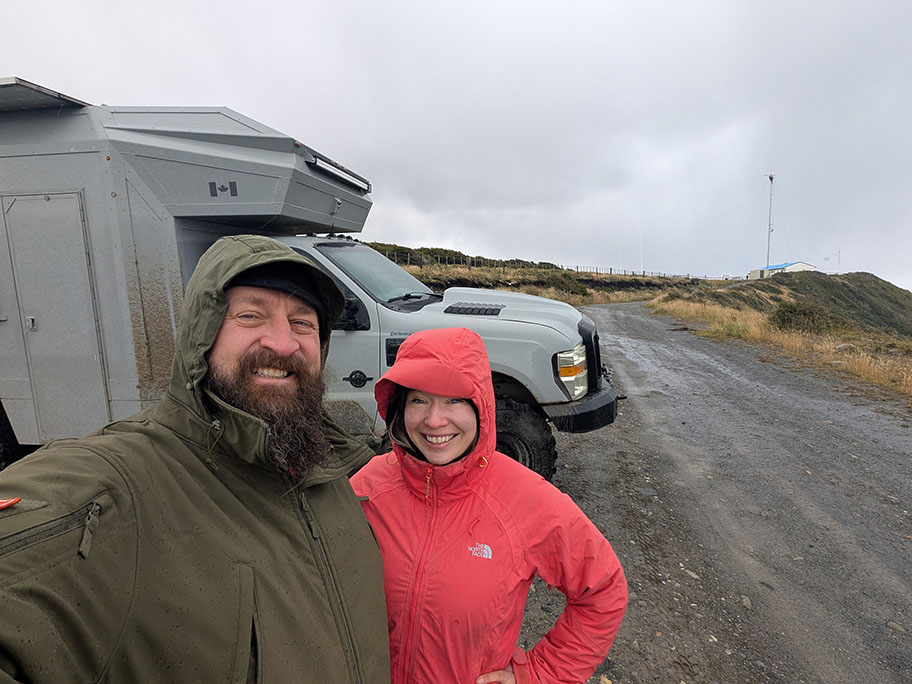
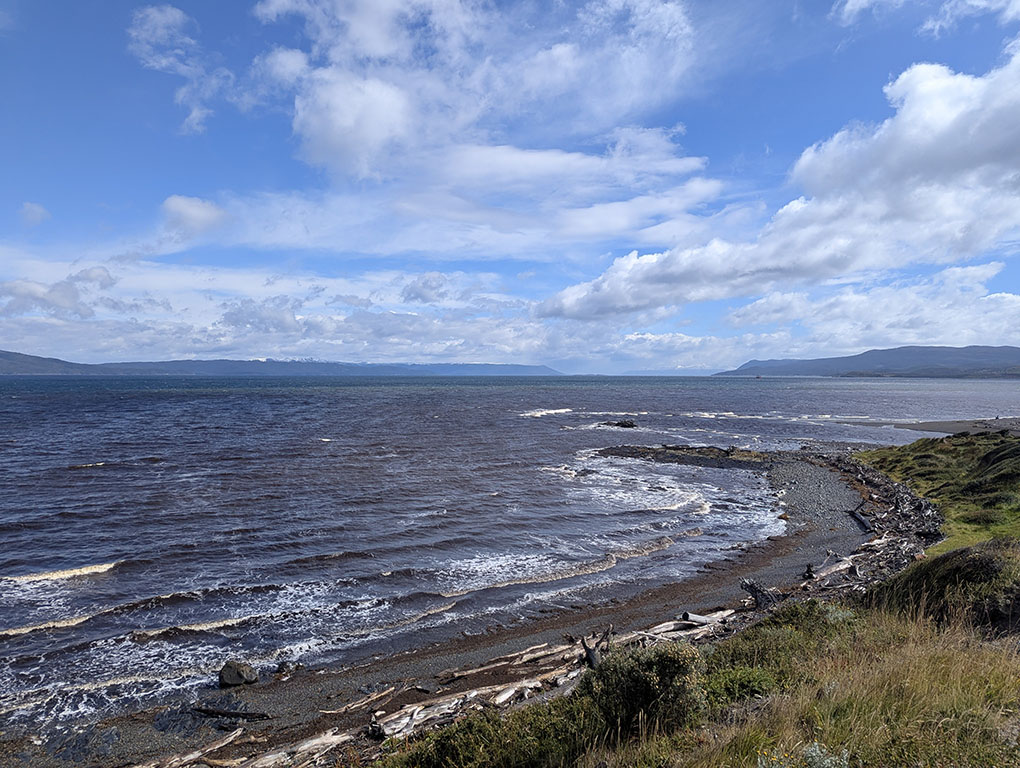
However, true adventurers and seasoned overlanders know that Ushuaia isn’t technically the southernmost drivable point. To claim ultimate bragging rights, continue southward another 130 kilometers (around three hours of rugged, scenic driving) to the very end of Ruta J, along the Beagle Strait. This remote stretch promises awe-inspiring vistas of whales breaching in the bay, playful dolphins, and even the possibility of seeing more penguins—a spectacular finale to an unforgettable journey.




8. Perito Moreno Glacier, Argentina – The Mesmerizing Natural Wonder
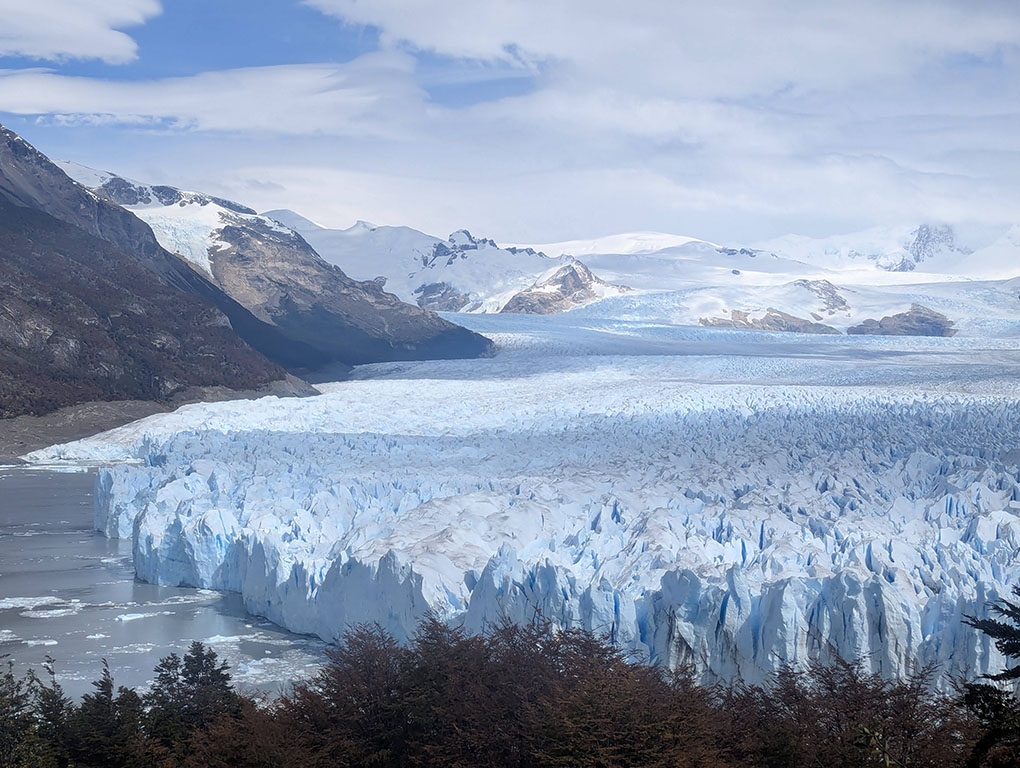
One of our most awe-inspiring experiences in Argentina was visiting the spectacular Perito Moreno Glacier, nestled within Los Glaciares National Park near the charming town of El Calafate. This breathtaking glacier is especially remarkable as it’s one of the few advancing glaciers worldwide, meaning it’s actually growing rather than shrinking! Perito Moreno offers exceptional accessibility, setting it apart from many other remote glaciers. We loved how easy it was to reach right up to its massive ice wall using the well-maintained viewing platforms that vary from leisurely strolls to moderate hikes, depending on your preferred activity level.
We highly recommend taking your time here, as the glacier itself is mesmerizing. We found ourselves captivated for hours, simply watching the massive, vibrant-blue chunks of ice calving dramatically into the turquoise waters below, creating thunderous sounds and spectacular splashes—a phenomenon you might be lucky enough to witness.
Although ice trekking and boat tours around Perito Moreno Glacier are popular and certainly memorable options, we felt completely satisfied exploring from the scenic boardwalks, each offering a unique and impressive vantage point. Make sure to pack some warm layers and prepare for cooler temperatures, even in summer. After visiting many glaciers throughout our overland journey, we can confidently say Perito Moreno Glacier remains the most extraordinary ice formation we’ve encountered.


9. El Chaltén, Argentina – A Charming Base for Patagonia’s Epic Mountain Views
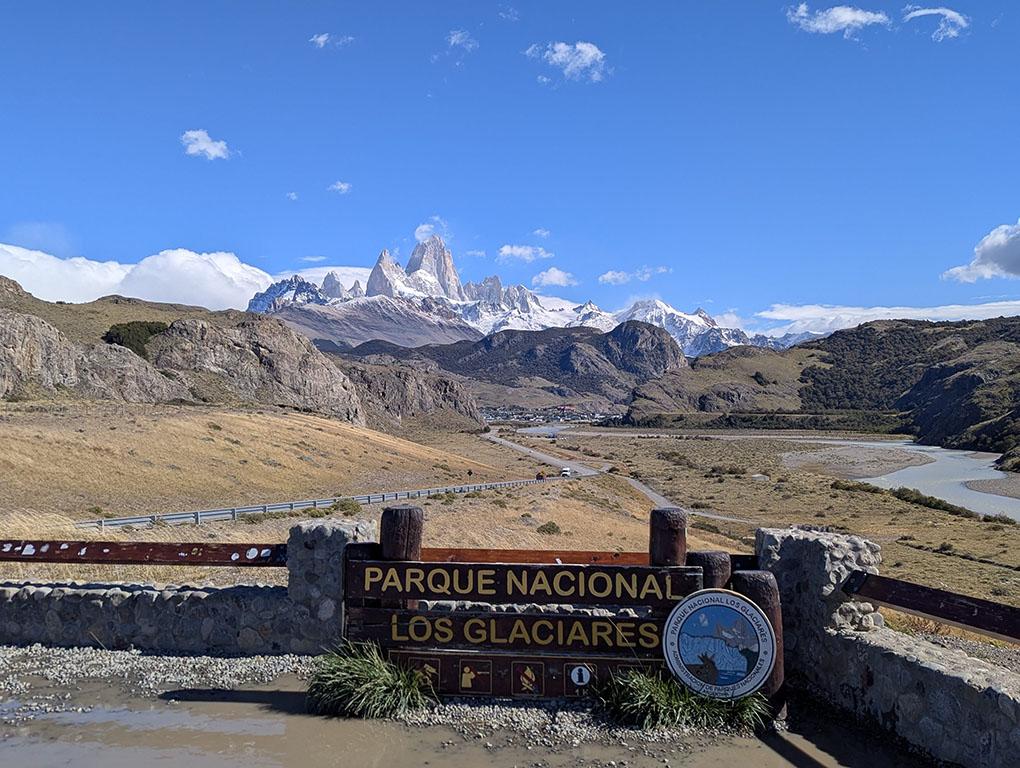
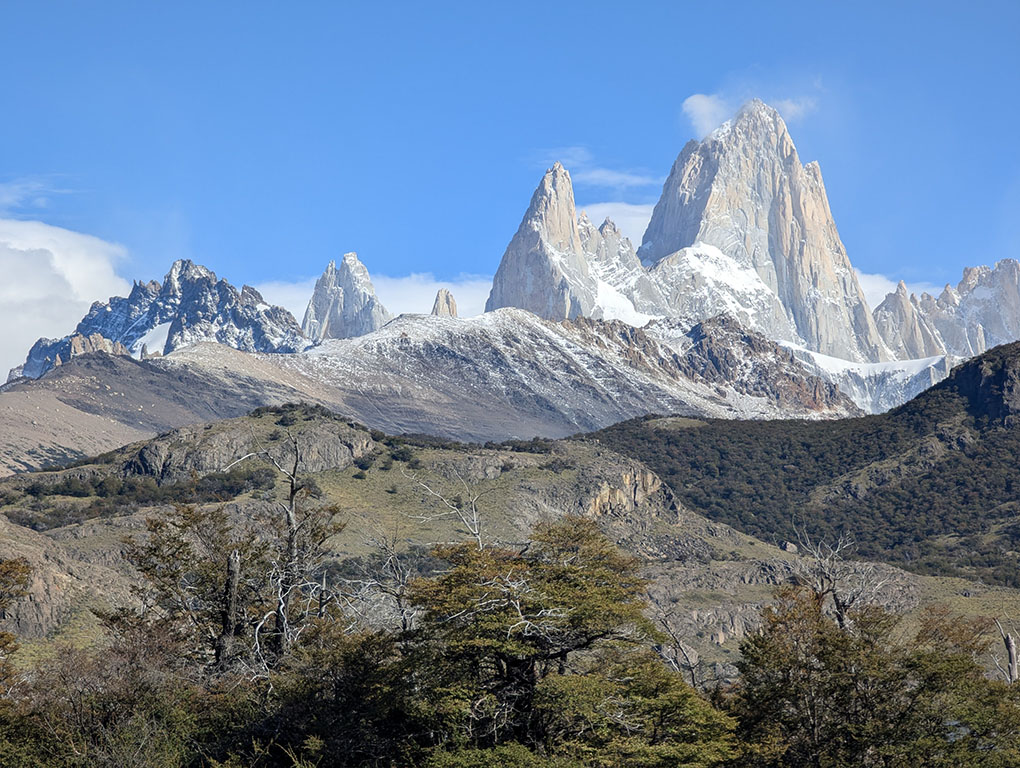
El Chaltén is an adorable little mountain town nestled in the breathtaking Patagonian region of Argentina. Often dubbed the “hiking capital of Argentina,” this charming village is perfectly situated within Los Glaciares National Park and serves as the primary gateway for adventurers eager to trek towards the iconic Mount Fitz Roy. The towering granite peaks, including Fitz Roy itself and Cerro Torre, along with sparkling turquoise lakes, create a postcard-perfect landscape that is an absolute dream for photographers, nature lovers, and outdoor enthusiasts alike. We visited shortly after our exhausting adventure in Torres del Paine, so we decided not to tackle the challenging 20 km hike up to Laguna de los Tres, the famous viewpoint for Mount Fitz Roy.
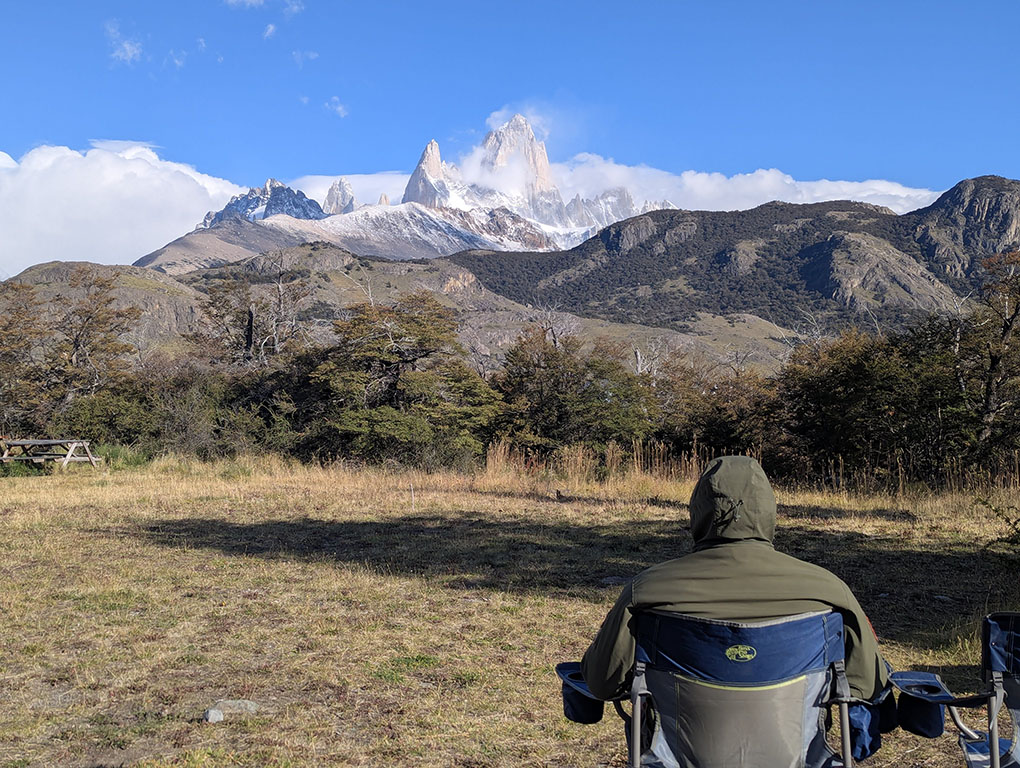
Fortunately, even without embarking on a rigorous trek, El Chaltén generously offers mesmerizing views of the Fitz Roy massif directly from the comfort of town. We spent our days enjoying leisurely strolls along quaint streets lined with cozy cafes and rustic restaurants, while enjoying the company of other overlanders that we met in the free overnight parking area provided by the town. The town’s friendly atmosphere, combined with its accessible panoramic views, makes it an ideal spot to unwind and appreciate Patagonia’s rugged beauty.


10. Cueva de las Manos, Argentina – The Ancient Art of Patagonia
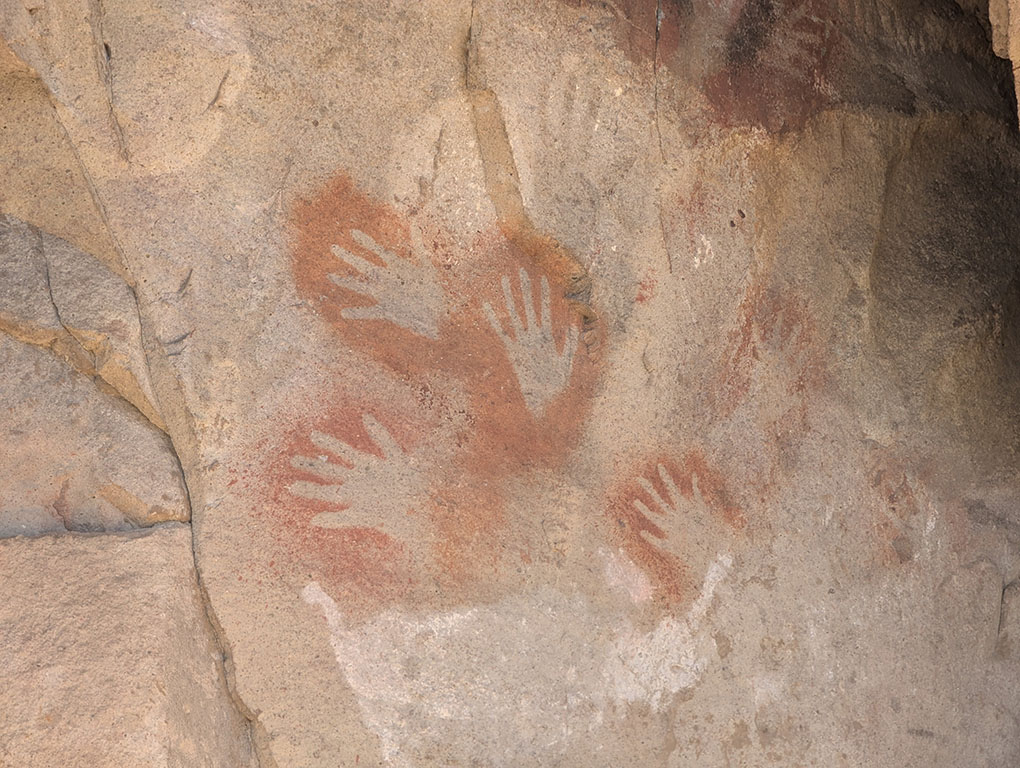
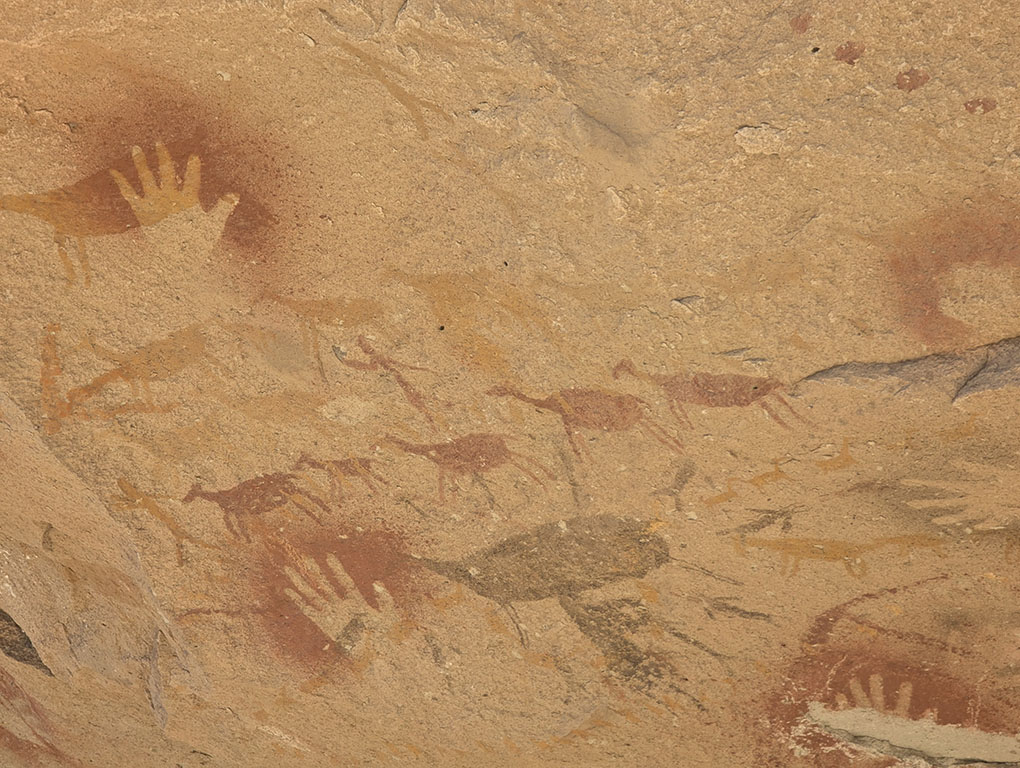
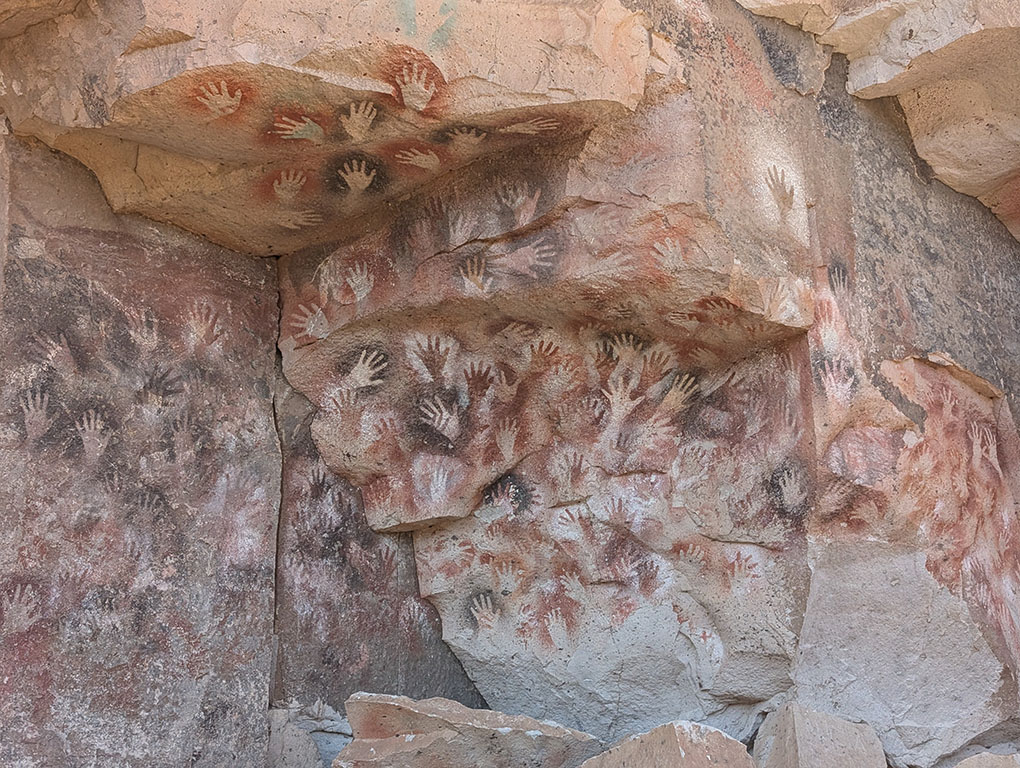
Visiting Cueva de las Manos (Cave of the Hands) was an incredible experience that truly connected us with the prehistoric roots of Patagonia. This UNESCO World Heritage Site features thousands of handprints and striking hunting scenes painted by indigenous peoples over 9,000 years ago! Standing in front of these vibrant images, it’s astounding to think about the generations that have passed, yet their artwork remains vividly preserved on the rock walls. The paint itself was fascinating—crafted meticulously using natural minerals mixed with blood and fat from the guanaco, a wild camelid native to Argentina. Seeing how these simple yet ingenious mixtures have endured the harsh Patagonian climate for thousands of years is genuinely awe-inspiring.
One important aspect to note for anyone planning a visit: access to Cueva de las Manos is highly regulated to ensure preservation. Guided tours are mandatory, and wearing the provided hard hats is a requirement—not just for compliance, but also for protection from potential falling rocks.
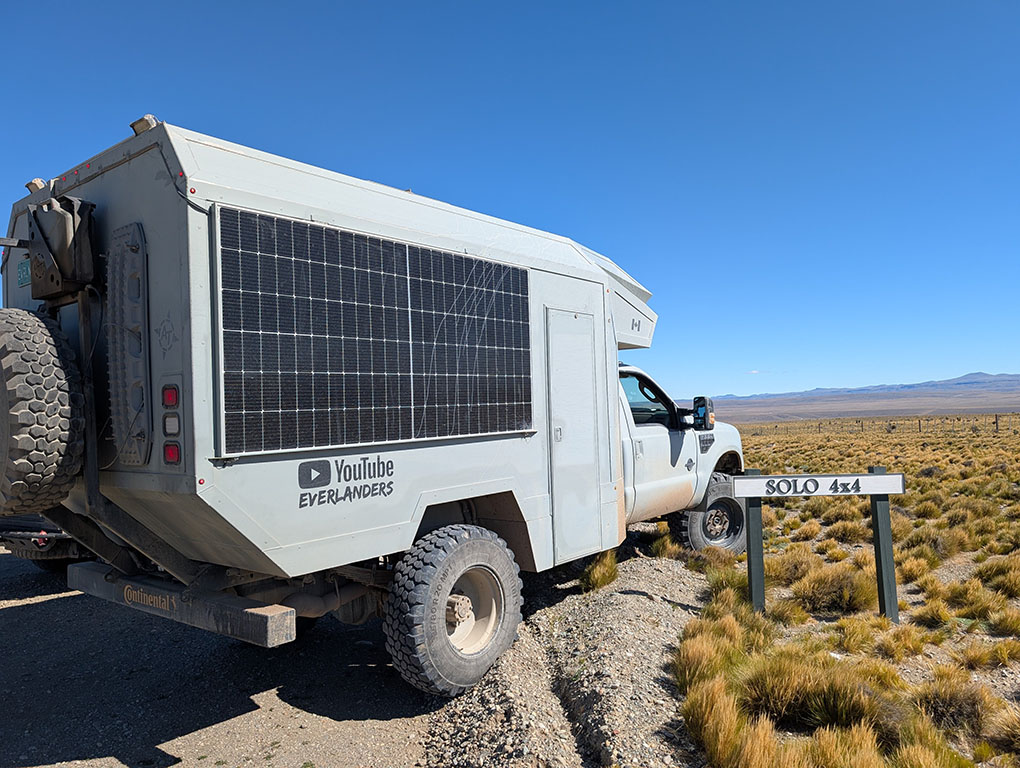
Although the main road leading to the cave is accessible for most camper vehicles, there is an exciting shortcut that overlanders can enjoy. This 4×4-only route saves about an hour in drive time and connects back to the highway where you can visit the Sendero de los Colores (Trail of Colors). While marked for off-road vehicles, this route typically presents no significant challenge unless heavy rain has turned the terrain muddy.
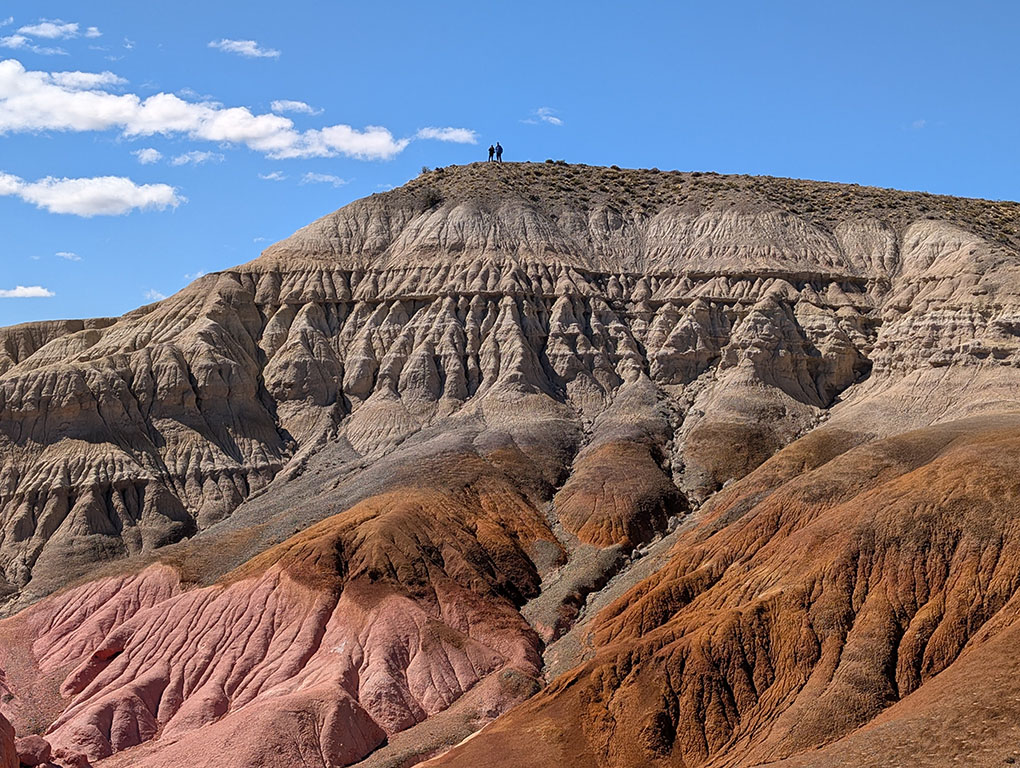
Once at Sendero de los Colores, a short and scenic one-hour hike awaits. This trail reveals an extraordinary display of nature’s artistry—rocks in vivid shades of vibrant pink, soft reds, and brilliant yellows, creating a landscape unlike anything else in Patagonia. It’s the perfect contrast to the many beautiful mountains and glaciers of Patagonia.





Bonus Tip: Isla Grande de Chiloé – The Gateway to Patagonia’s Carretera Austral
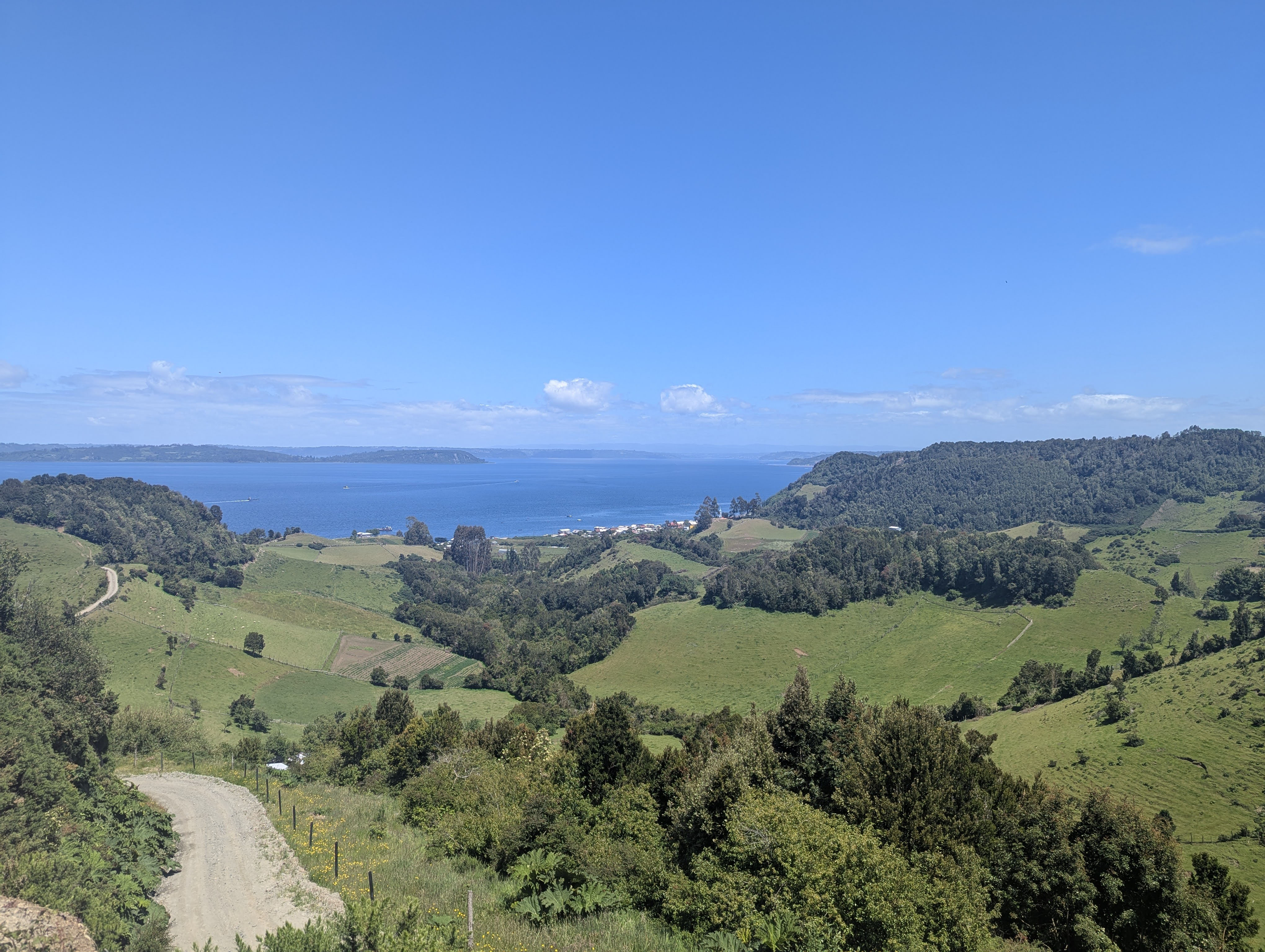
Though Isla Grande de Chiloé isn’t officially considered part of Patagonia, we discovered it’s the perfect jumping-off point for your Carretera Austral adventure. Just a short 25-30 minute ferry ride across the scenic Chacao Channel takes you from the mainland to this charming island. Ferries run frequently, require no prior reservation, and can easily accommodate larger overland rigs. This makes Chiloé an ideal, stress-free start to your Patagonian journey.
Chiloé captivated us with its rich cultural heritage, particularly its UNESCO-listed wooden churches. These architectural marvels feature vaulted interiors reminiscent of upside-down ship hulls—a beautiful nod to the island’s maritime traditions. The island’s landscape is equally enchanting, with rolling hills covered in lush pastures, home to countless grazing sheep. This is a perfect opportunity to savor the renowned Patagonian lamb dishes and indulge in fresh Chilean seafood. The salmon was our favorite! You can also try the traditional dish from Chiloé called curantos, which is made with meat, shellfish, and vegetables, all cooked together in a hole in the ground over hot stones.
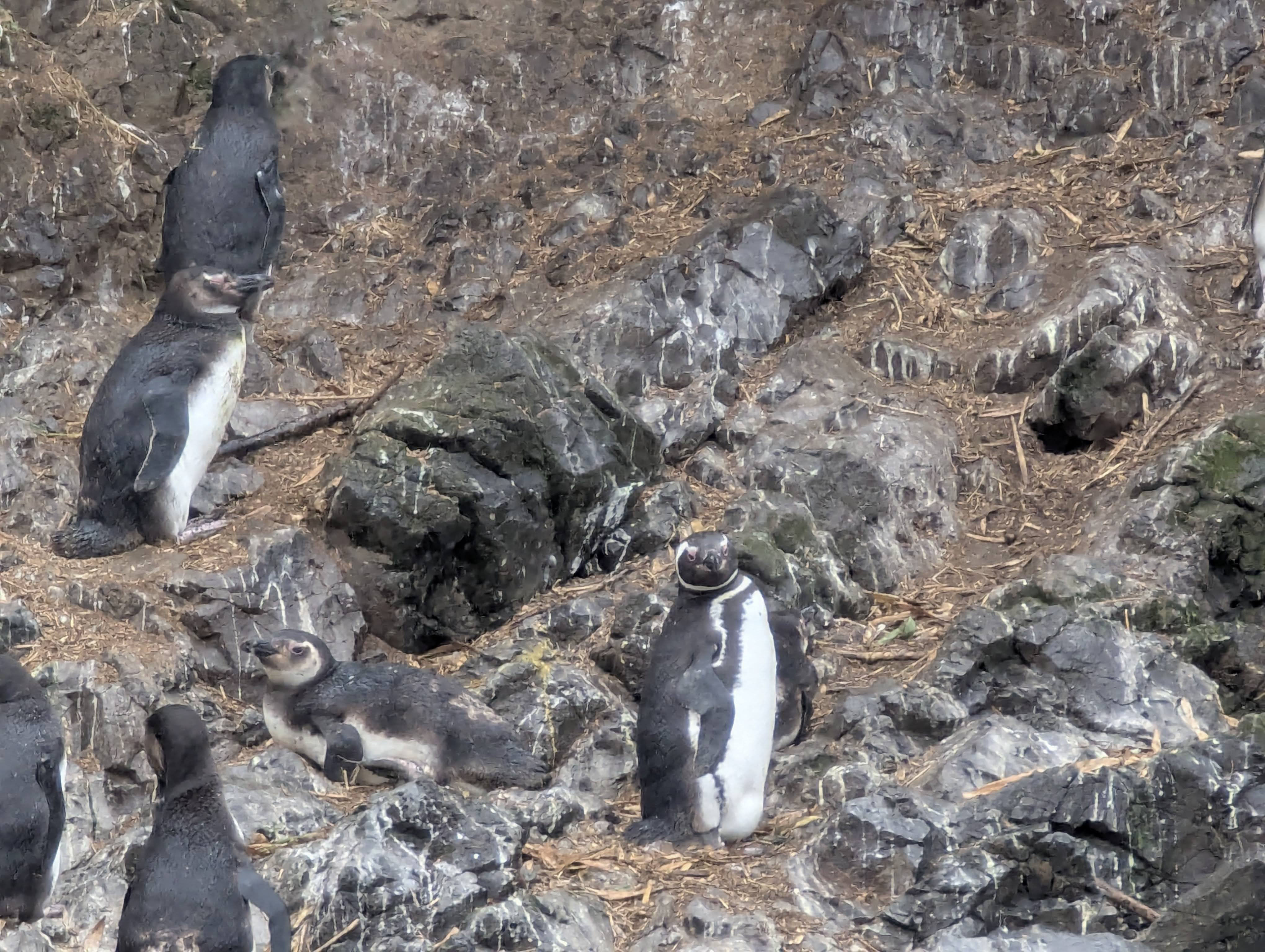
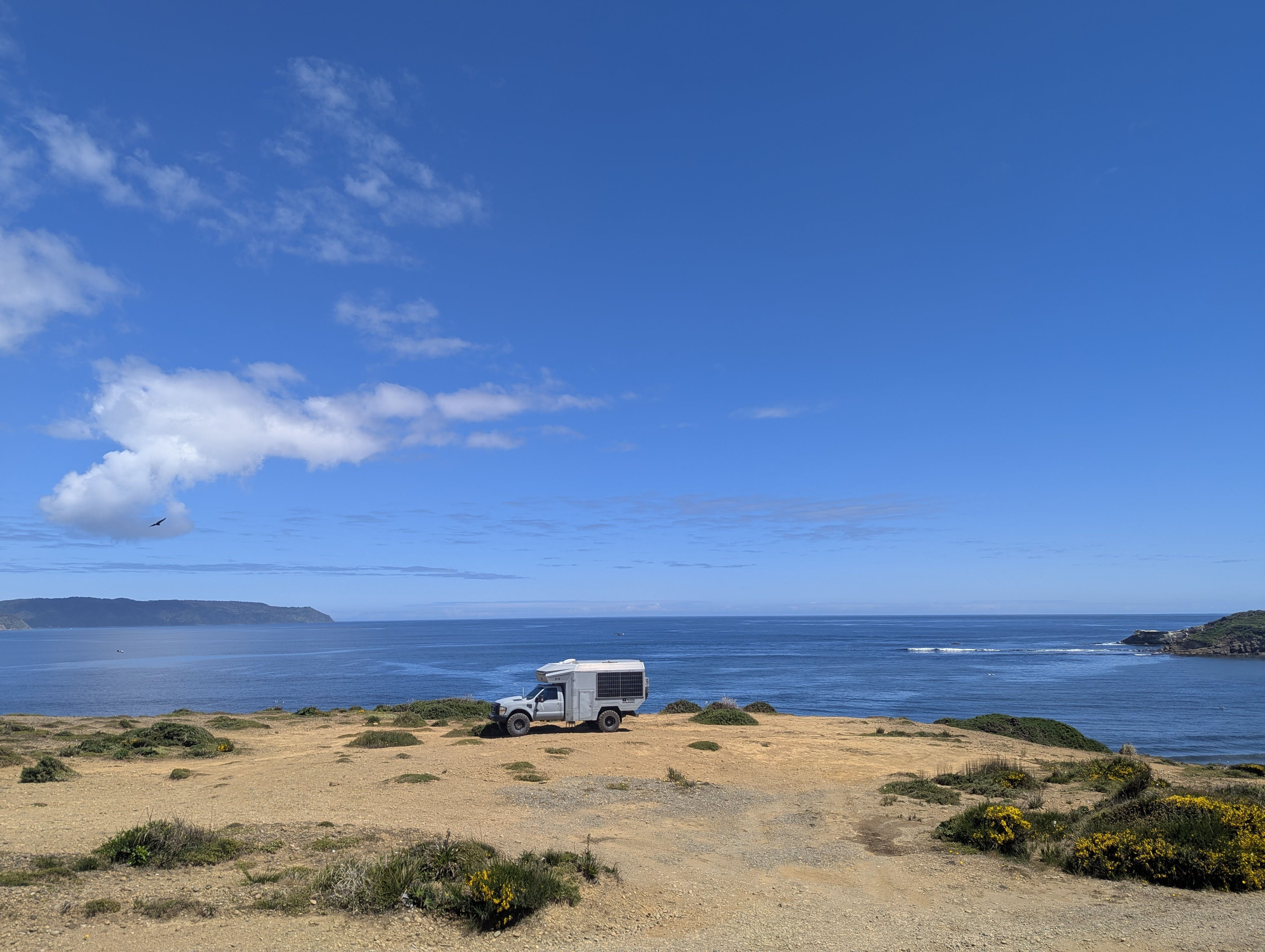
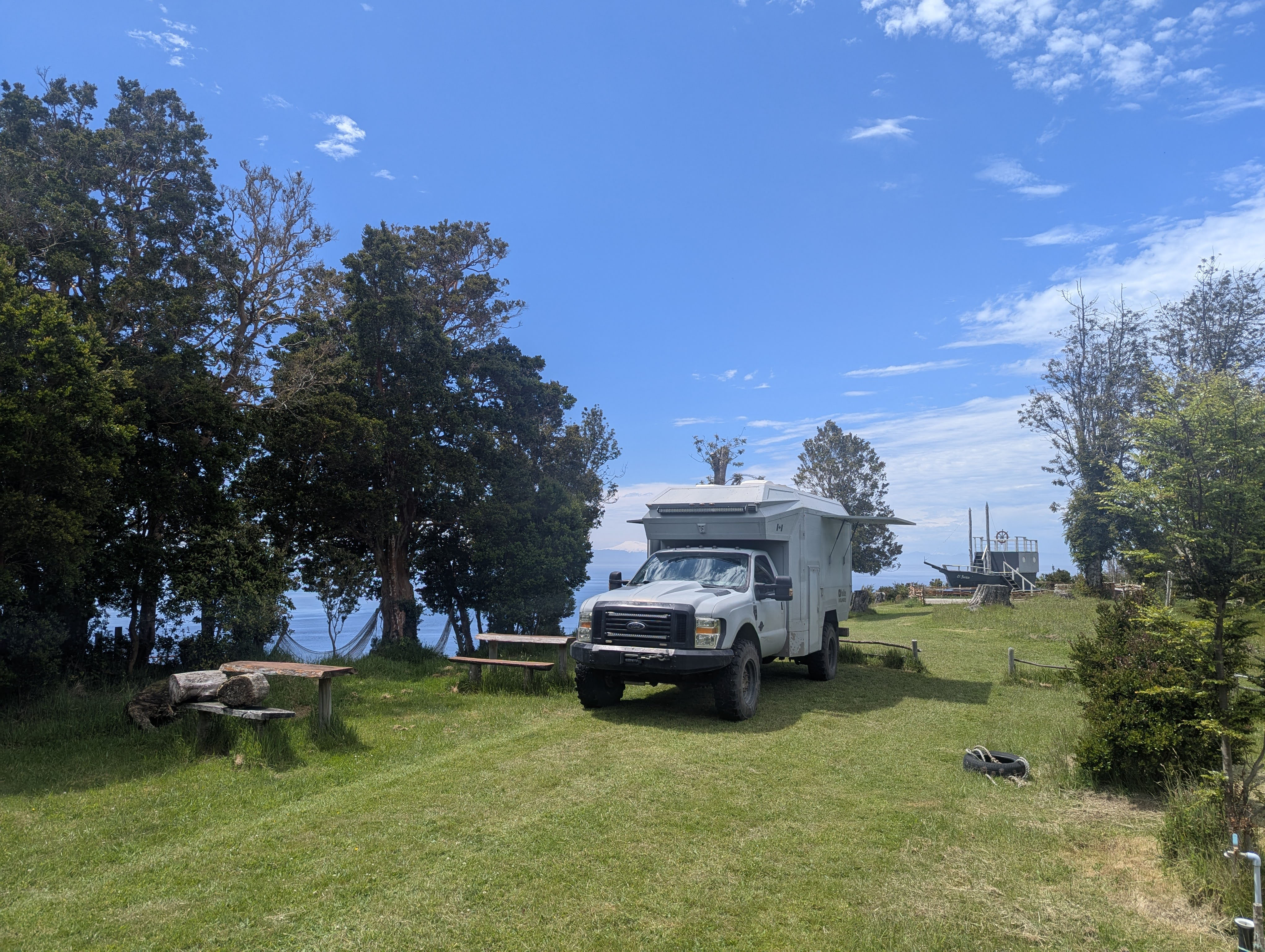
If wildlife is on your bucket list, Chiloé doesn’t disappoint. In the island’s northern region, we took an incredible tour from the town of Punihuil to spot adorable Humboldt and Magellanic penguins. The island’s northern coast also boasts many opportunities for view dolphins, all while enjoying secluded wild camping spots.
If you have extra time, we highly recommend hopping over to some of the smaller islands surrounding Chiloé. Ferries are plentiful and straightforward to use, with no reservation required. Our personal favorite was Isla Lemuy, offering stunning panoramas, especially if you venture to its remote southern tip.
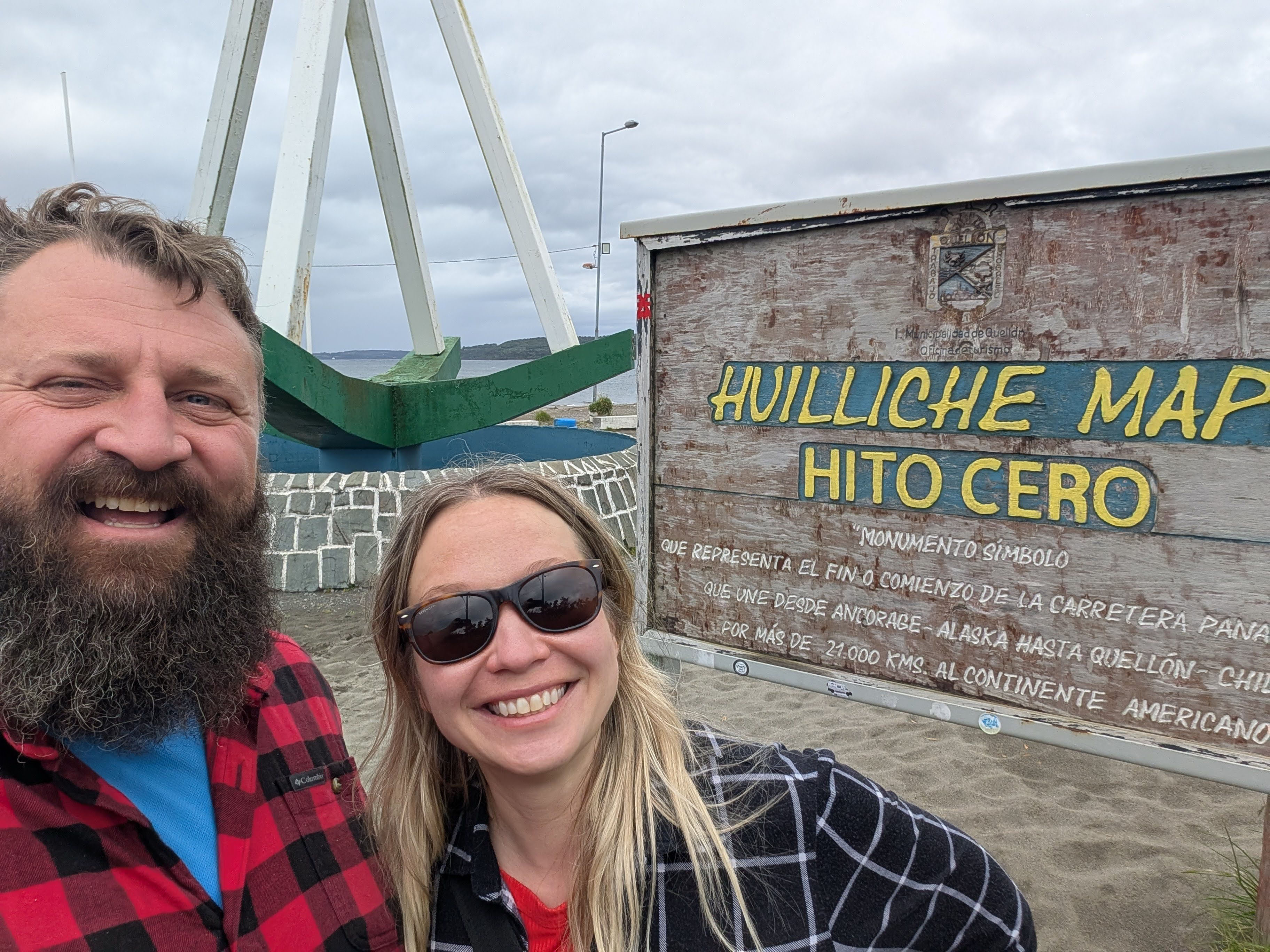
Finally, when you’re ready to officially begin your journey down the famous Carretera Austral, Isla Grande de Chiloé provides convenient ferry routes to the mainland. We opted for the ferry departing from the town of Castro, but you can also depart from Quellón, which is the symbolic end of the legendary Pan-American Highway. Either way, Chiloé serves as the perfect bridge from the cultural richness of Chile into the wild and breathtaking landscapes awaiting in Patagonia.









 Everlanders
…just received and read your awesome newsletter.Thank you.
LikeLike
Well done! Very proud of you guys!
LikeLike