
Peru has something for every kind of traveler, but for overlanders, it’s an absolute dream. From remote deserts to rugged mountains and ancient ruins, these are our top 10 stops from our overland journey through this country.
1. Exploring Paracas National Park: Wildlife and Wide-Open Landscapes
Paracas National Park is a stunning natural reserve located on the southern coast of Peru, in the Ica Region, near the town of Paracas. As an officially protected area, this coastal desert and marine ecosystem is home to thousands of migratory birds—including vibrant flamingos, pelicans, cormorants, and the famous Peruvian booby. The best way to spot marine wildlife is to take a Ballestas Islands tour, often lovingly called the “poor man’s Galápagos.” From the boat, we saw massive colonies of seabirds, sea lions lounging on the rocks, and the dramatic Candelabra Geoglyph—a mysterious 180-meter-tall figure etched into the sand dunes, with its origins and exact purpose still unknown. Unfortunately, we were not in the right season to spot Humboldt penguins, but if you go during the breeding season from December to March, you may have an opportunity to do so.
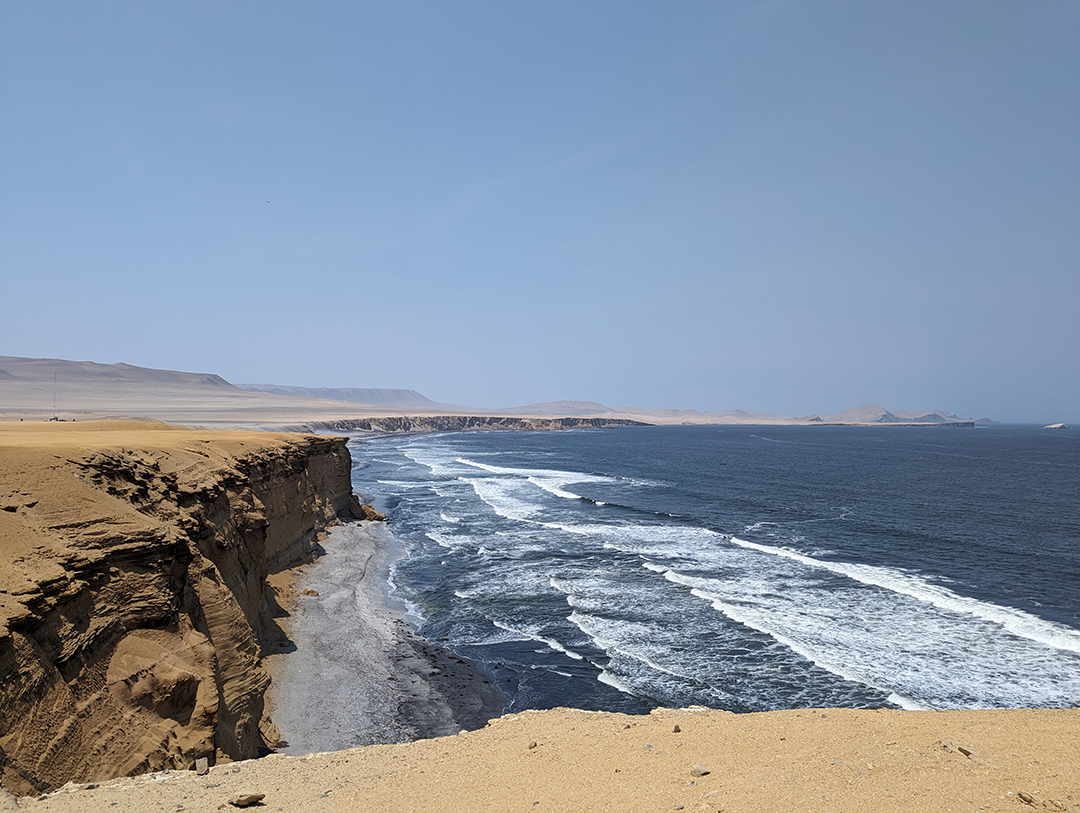
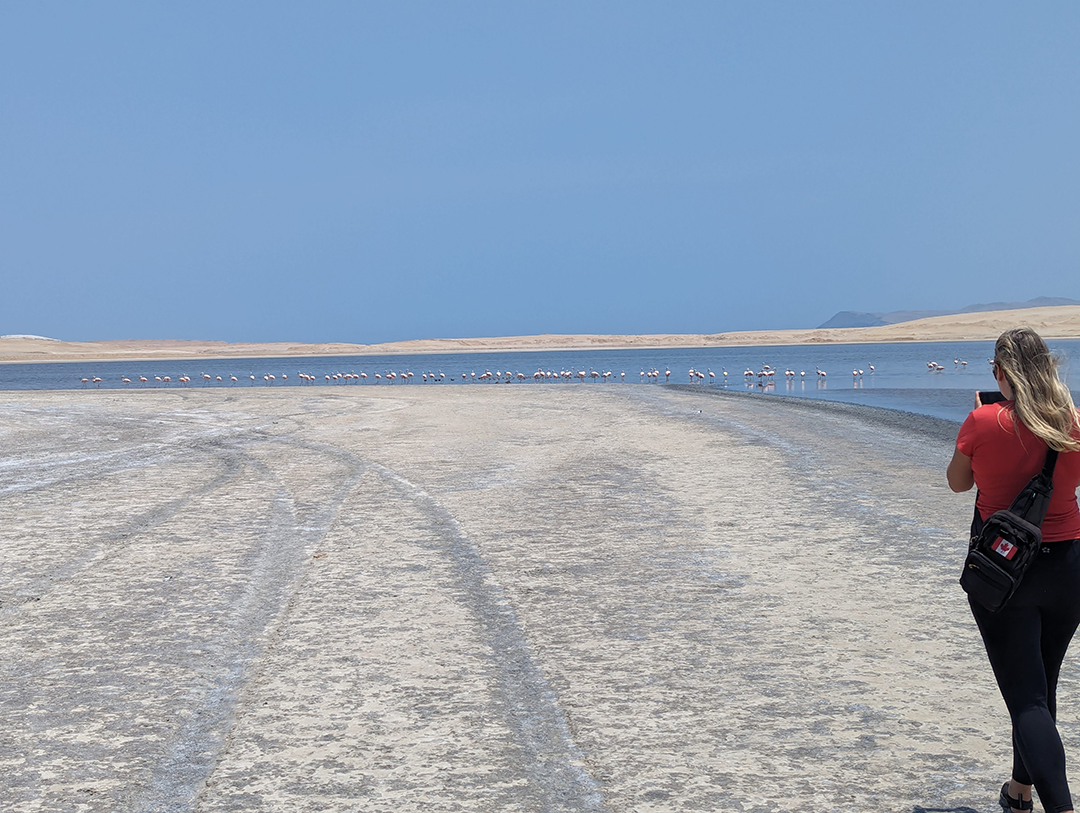
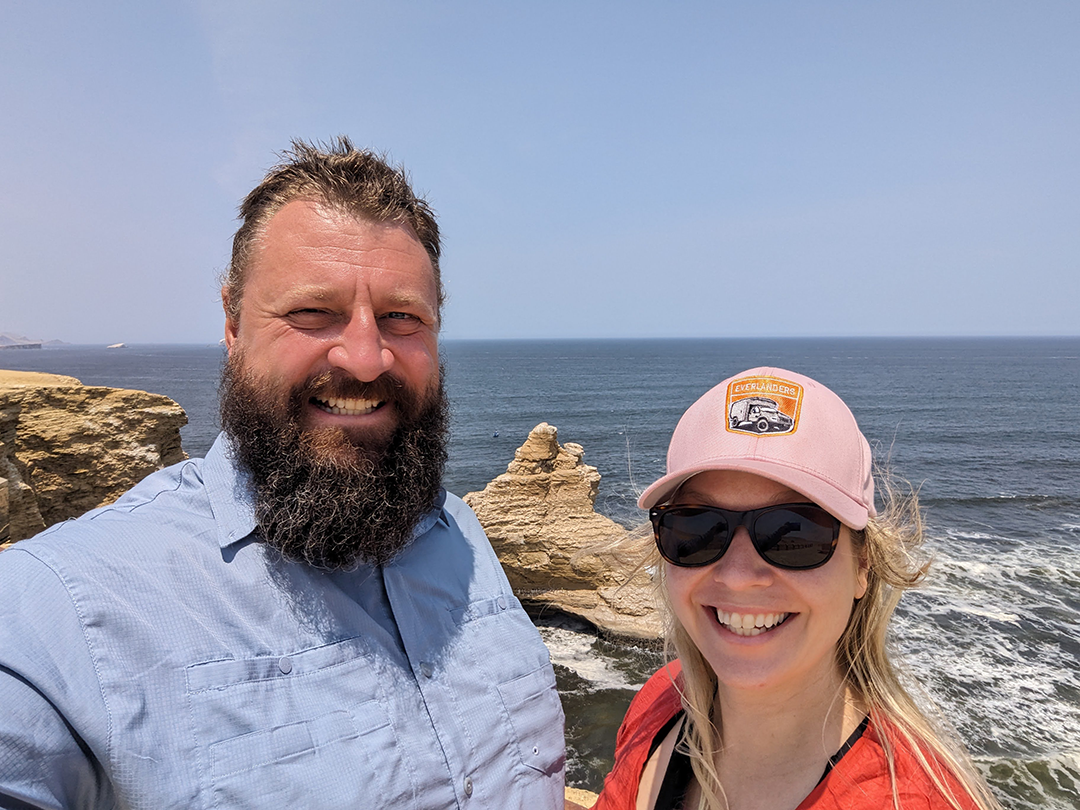
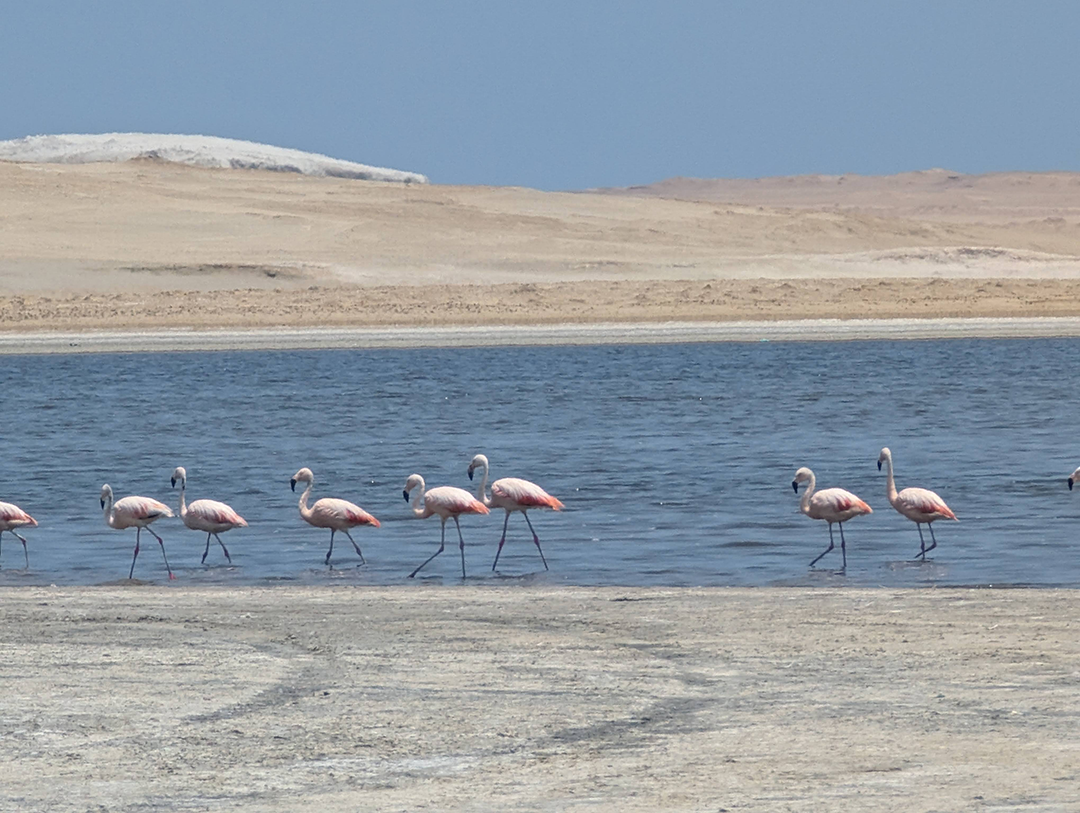
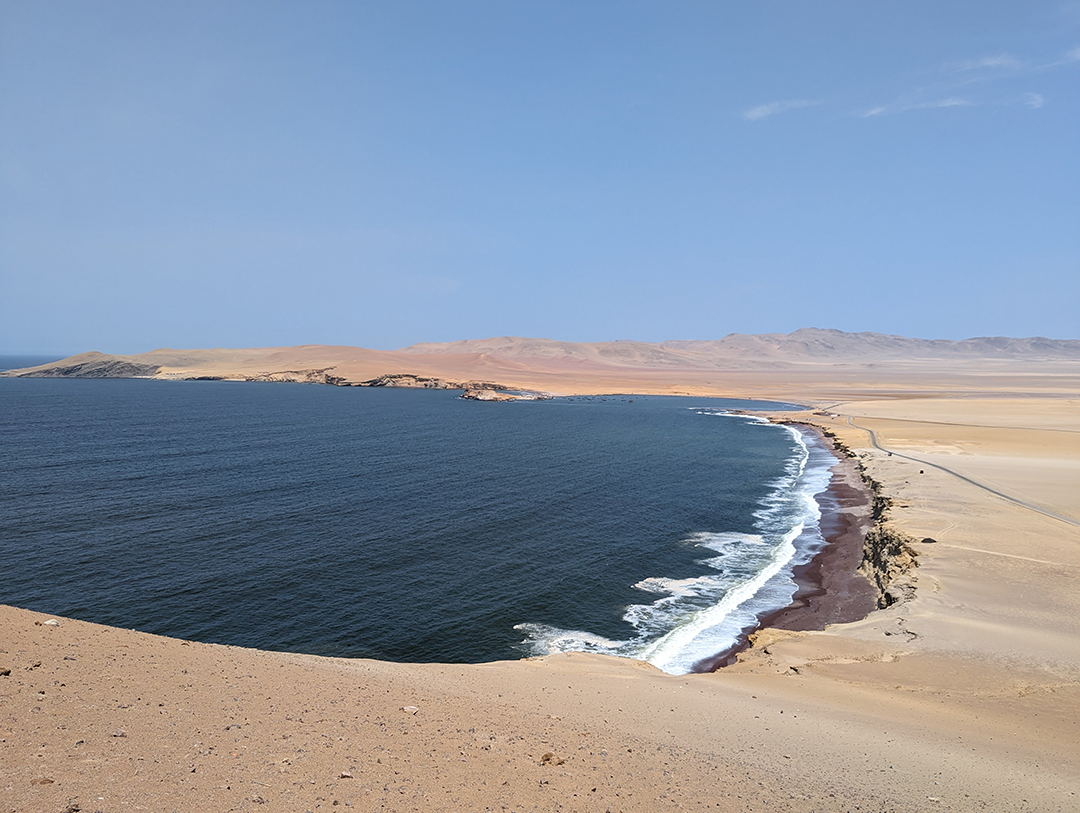
But for us overlanders, the real highlight was driving the sandy dirt tracks of the Paracas Peninsula, with its rugged cliffs, wind-carved rock formations, and wild beaches. One of our favorite stops was Playa Roja (Red Beach), where the iron-rich volcanic minerals tint the sand a deep, dramatic crimson. We even spotted wild flamingos feeding in the shallow coastal waters—our first flamingo sighting of the trip, which made it even more memorable. Paracas offers a unique blend of rich wildlife and dramatic coastal scenery that makes it an ideal stop for anyone overlanding through Peru.



Extra Tip for the Extreme Overlanders: Cañón de los Perdidos
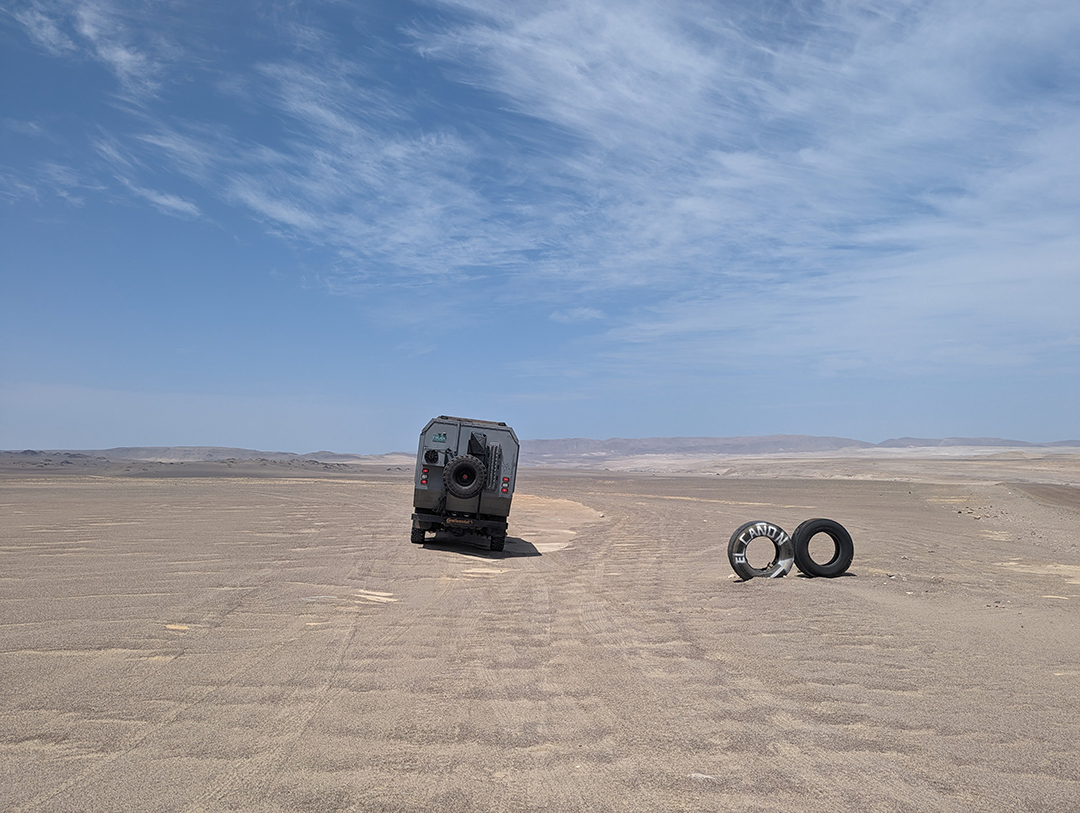
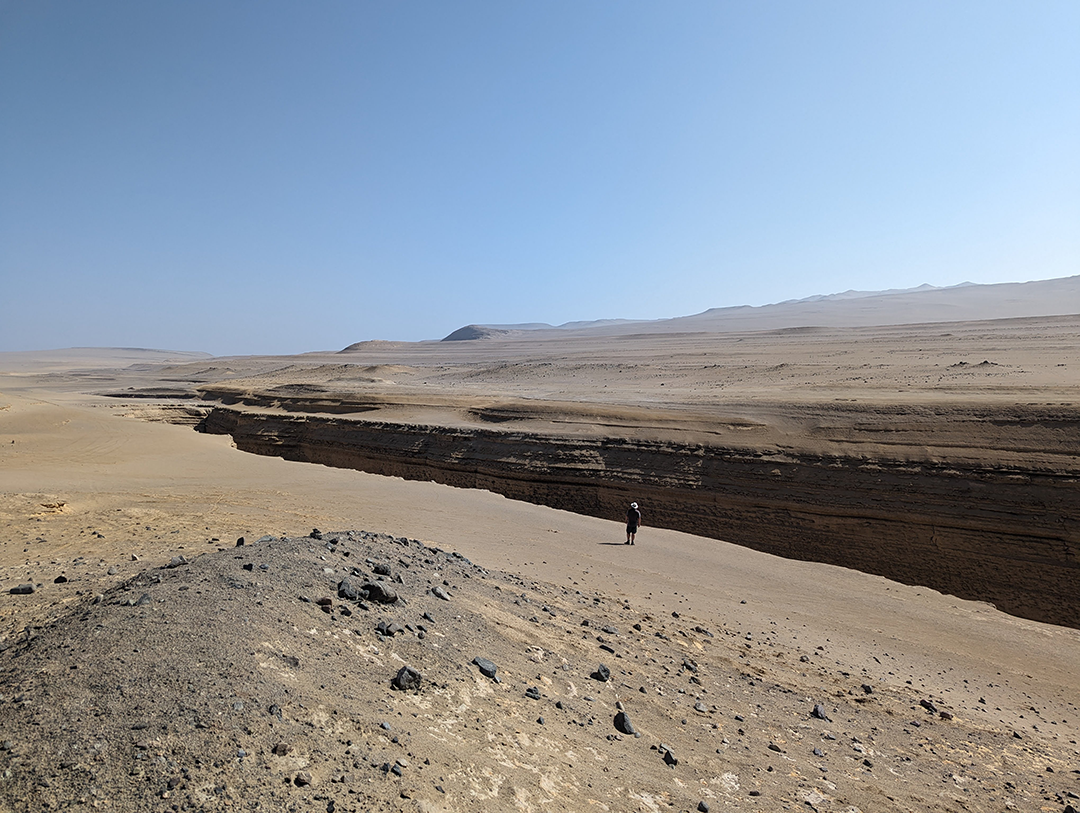
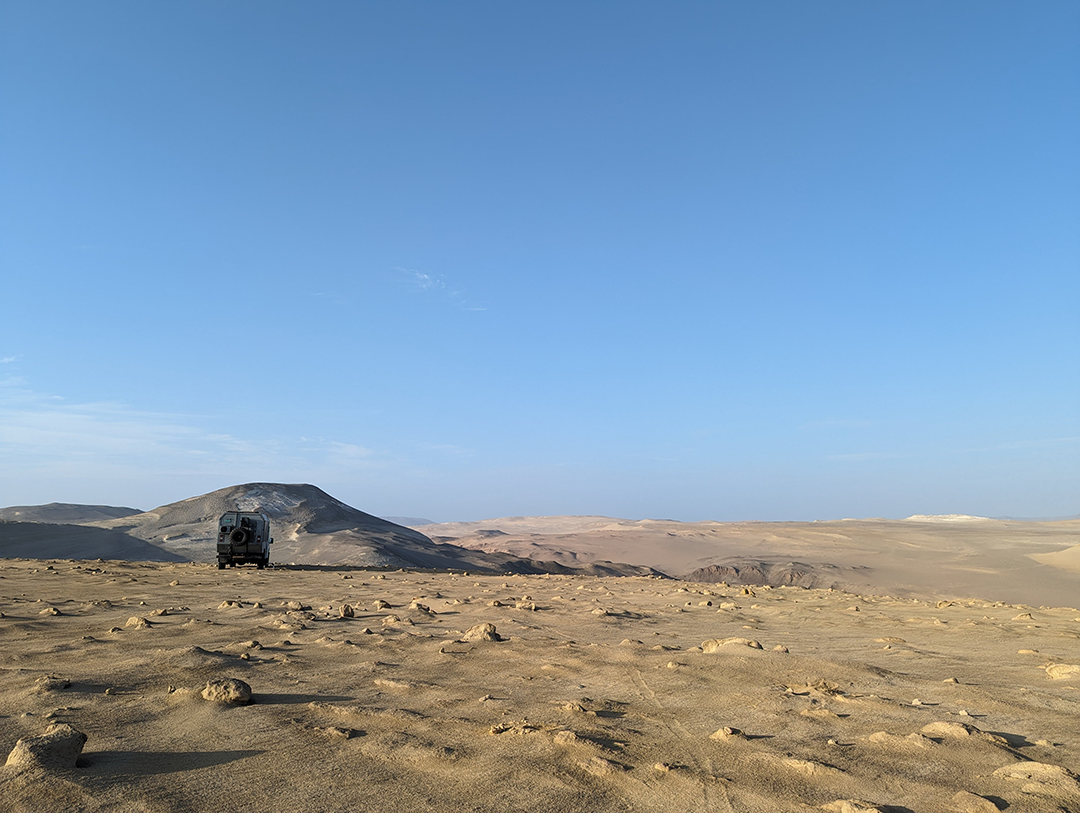
Although wild camping is not allowed within Paracas National Park, those seeking a more rugged adventure can push onward to Cañón de los Perdidos—“The Canyon of the Lost.” The name is fitting, as this remote site lies at the end of a challenging 2.5-hour (4×4 recommended) route through the vast Peruvian desert following a vaguely marked path. The raw beauty and the solitude reward the effort it takes to get there.


2. Huacas del Sol y de la Luna: Peru’s Adobe Pyramids
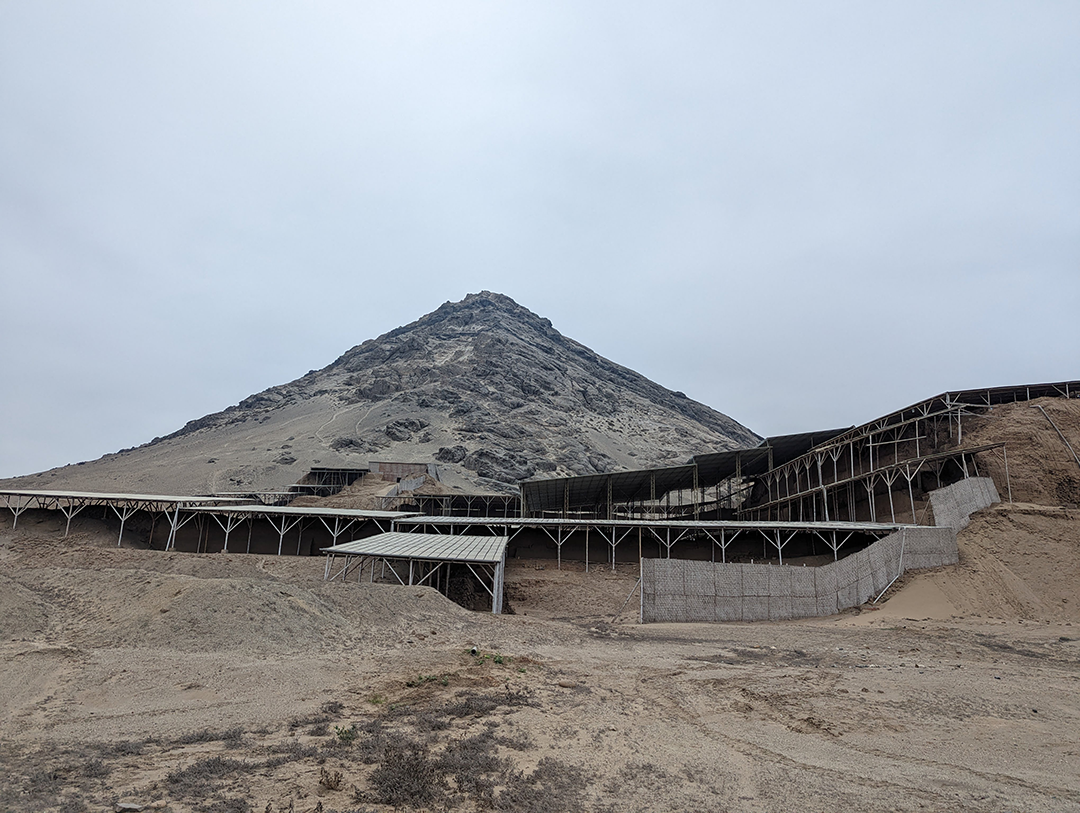
While exploring the northern coast of Peru, we made a stop in Trujillo, a vibrant city about 560 km north of Lima that’s known for its ancient archaeological sites. While many visitors focus on the expansive ruins of Chan Chan, a massive adobe city once home to the Chimú people, we were more drawn to a lesser-known but equally fascinating site—Huacas del Sol y de la Luna, or the Temples of the Sun and Moon.
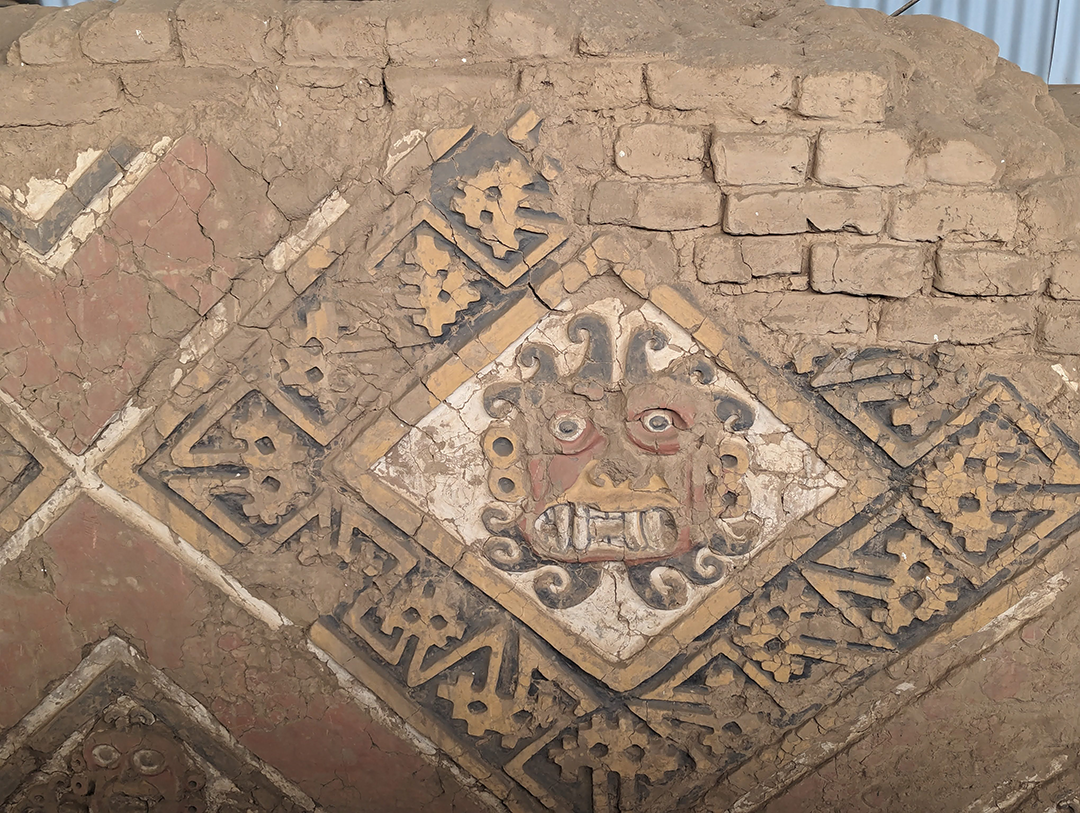
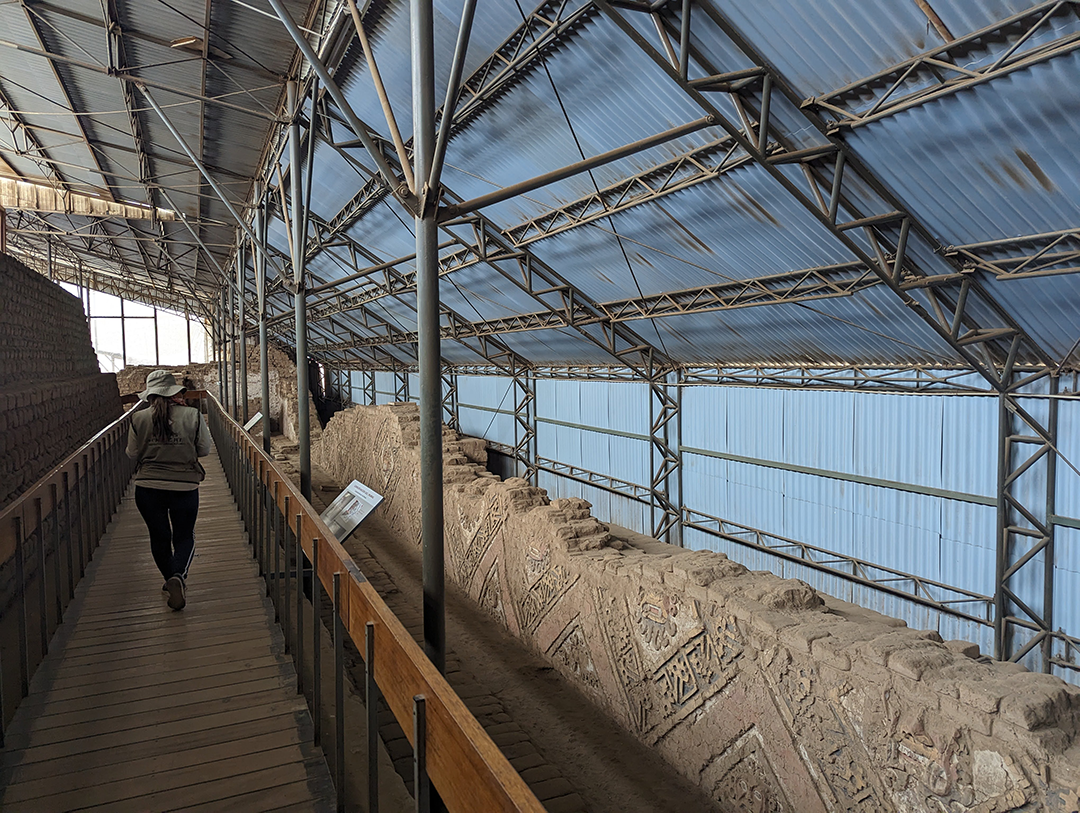
Of the two, the Huaca de la Luna (Temple of the Moon) is the most extensively excavated and preserved. Built by the Moche civilization around 500 AD, this impressive structure was constructed in layers over centuries using millions of adobe bricks. We joined a guided tour (included in the entrance fee and available in Spanish and English), which took us through ceremonial platforms and well-preserved mural walls adorned with jaguars, serpents, birds, and other sacred figures. The Huaca del Sol (Temple of the Sun), although still largely unexcavated, hints at the scale and complexity of Moche engineering. The site is a UNESCO World Heritage Site, and walking the shaded paths and elevated viewing platforms gave us a strong sense of the culture’s grandeur. If you’re overlanding in Peru and love history, the Huacas are well worth the visit.



3. The Nazca Lines: Ancient Art in the Desert
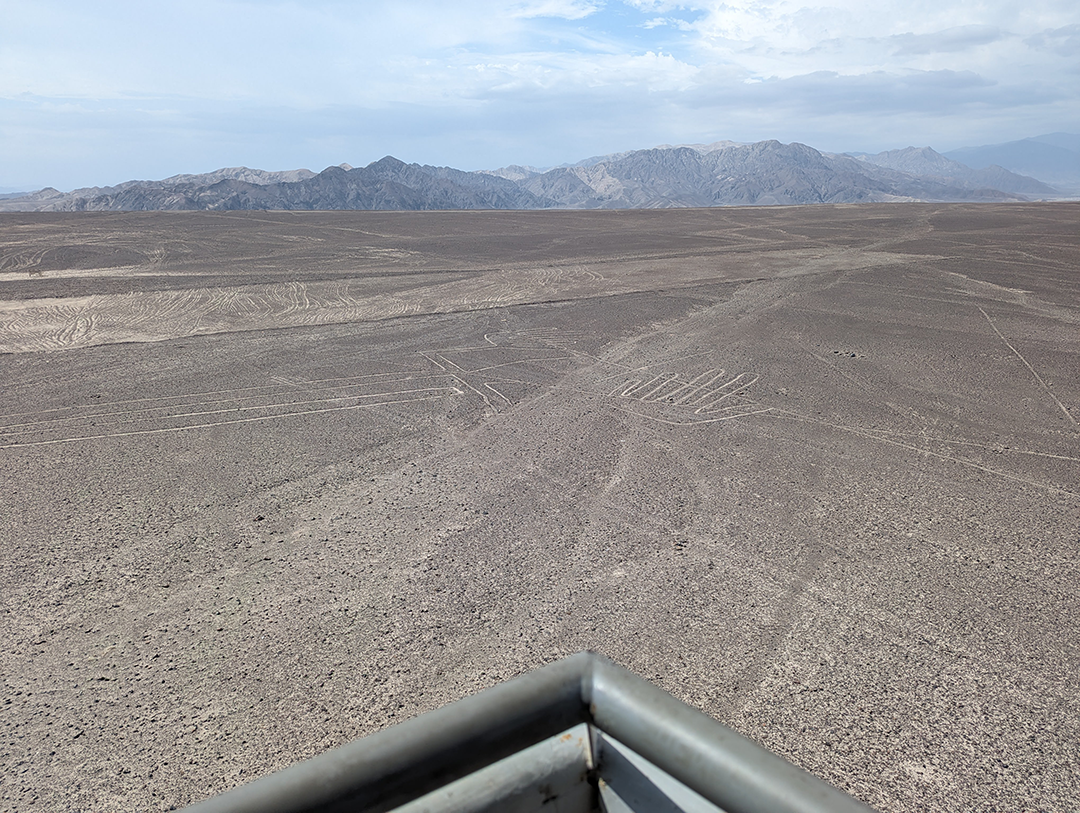
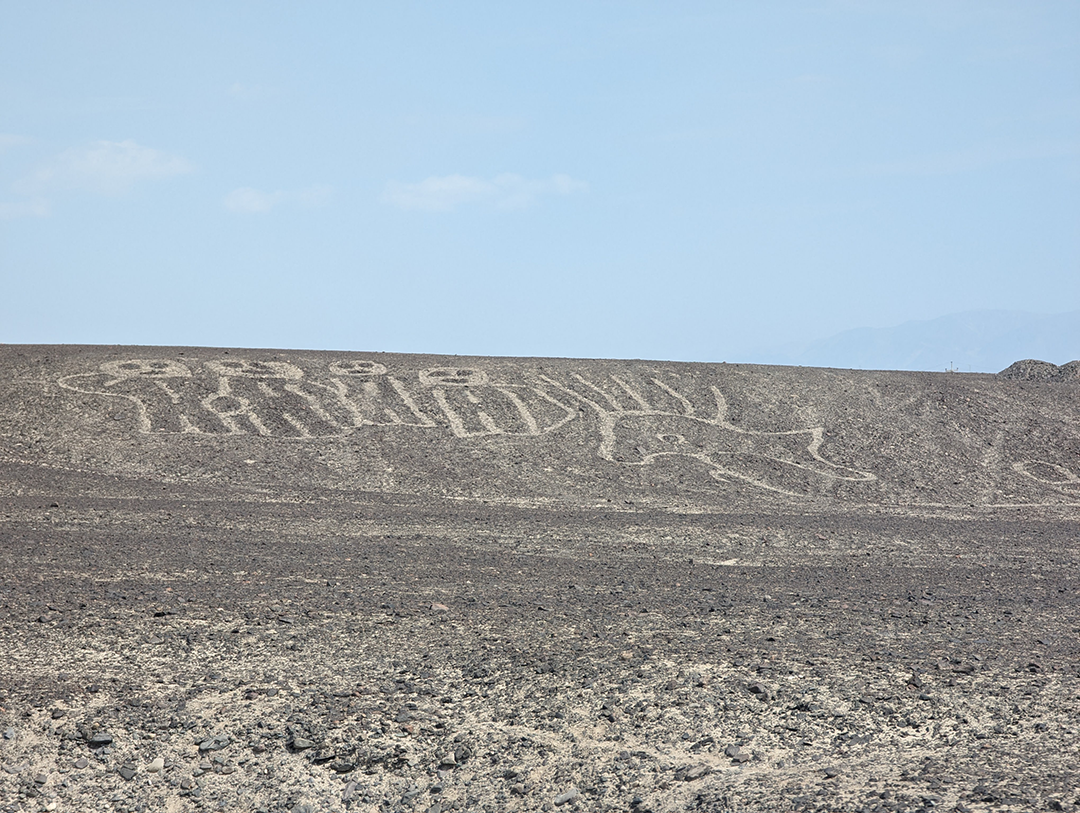
The Nazca Lines are one of Peru’s most intriguing archaeological sites—vast drawings etched into the desert plains by the ancient Nazca civilization, dating back over 1,500 years. Spread across a dry plateau near the town of Nazca, these geoglyphs include geometric patterns, spirals, and large animal figures like a monkey, hummingbird, spider, and condor. Their exact purpose is still debated, with theories ranging from astronomical calendars to ceremonial pathways. Regardless of the explanation, the sheer scale and precision of the designs make them one of Peru’s most fascinating cultural sites.
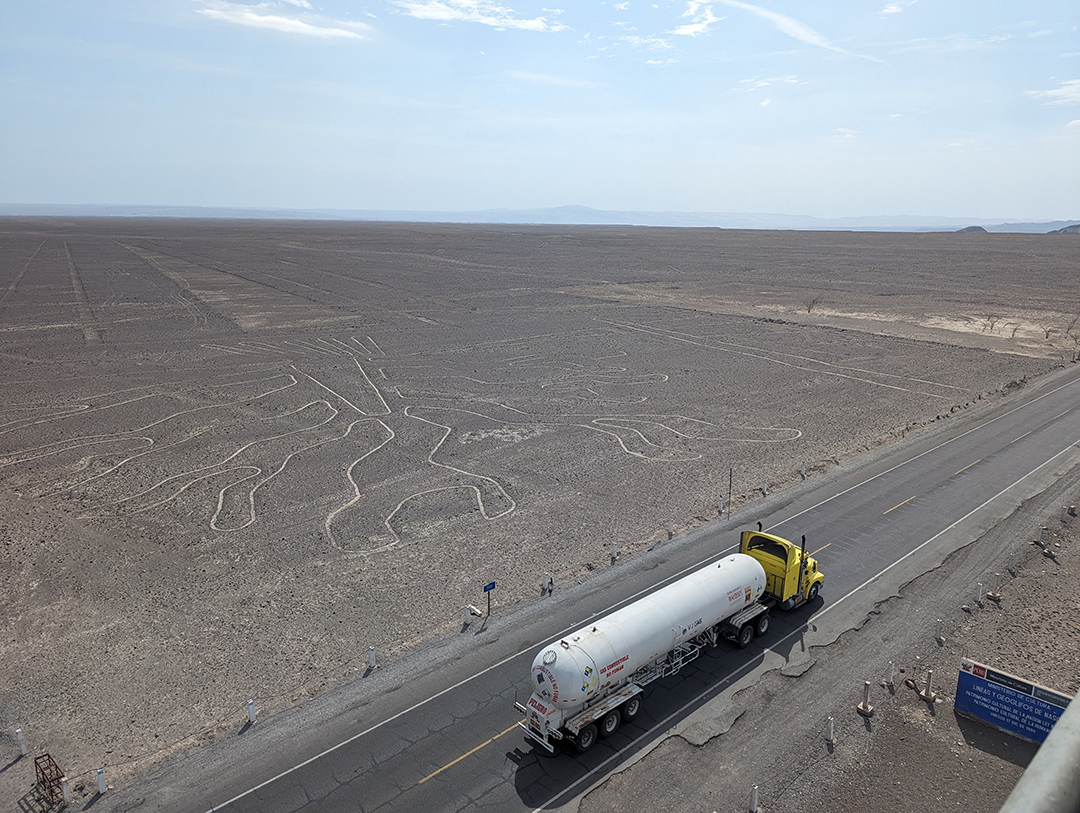
Standing at ground level, it’s hard to grasp the full scale of these ancient markings. Many visitors choose to view the lines from above on a scenic flight, which gives you the best perspective on the size and precision of the figures. These small aircraft tours offer a unique view that really highlights the geometric perfection of the designs. We opted not to fly and visited the more budget-friendly alternative: the Nazca viewing towers along the Pan-American Highway. From these elevated platforms, you can clearly see the Tree, the Hands, and part of the Lizard figures etched into the desert floor. While you can’t see the full scope of the geoglyphs from the ground, the towers gave us a meaningful and accessible way to experience one of Peru’s great archaeological mysteries.


4. Huacachina: A Peaceful Oasis in the Peruvian Desert
Tucked into the Ica Region of southern Peru, Huacachina is a true desert oasis—a pocket of palm trees and cool water surrounded by golden sand dunes as far as the eye can see. Towering sand dunes over 100 meters tall rise all around the village, and they’re the main attraction here. Many people come to try sandboarding or hop into a dune buggy for a wild ride up and down the dunes. If you prefer something calmer, you can take a paddle boat out on the lagoon and enjoy the peaceful views.
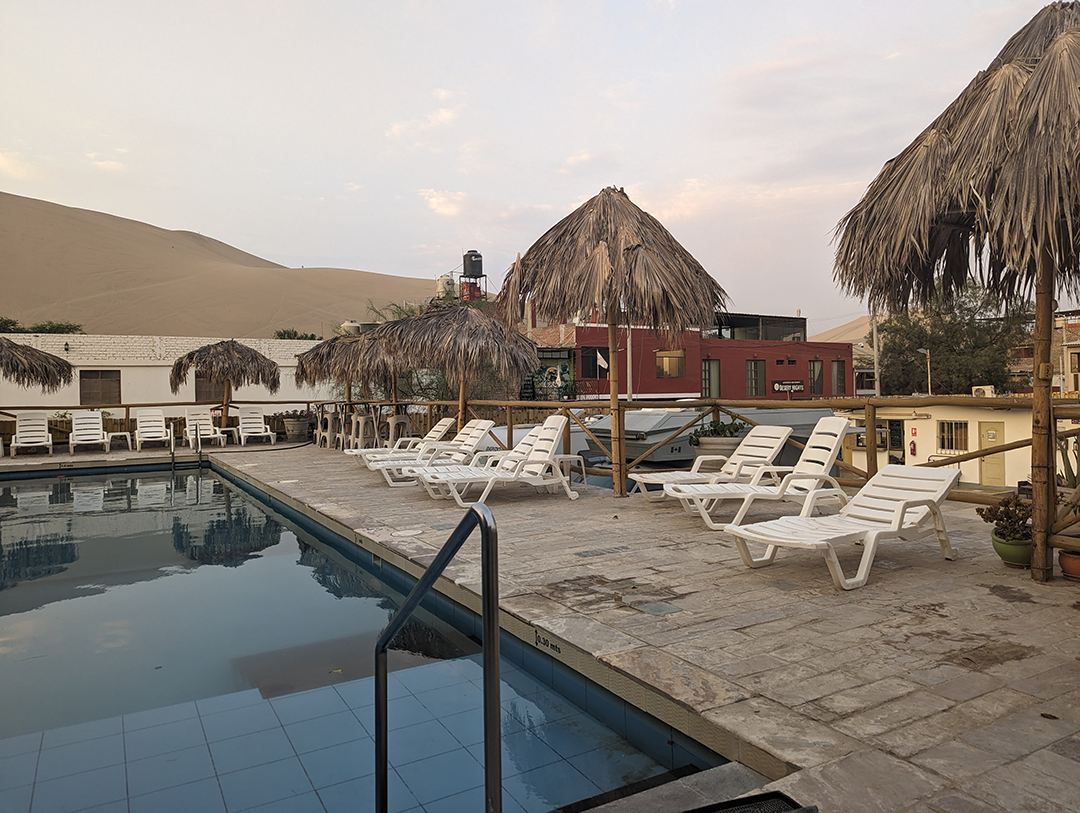
We decided to slow down a little and stayed at a popular overlander stop that had a pool, which was the perfect way to cool off in the heat. Huacachina also has a few small, cozy restaurants with outdoor patios, where we enjoyed some ceviche (Peru’s national dish), along with chicharrón de pescado, crispy fried fish bites that hit the spot after a day in the sun. Huacachina may be small, but it’s the perfect place to escape the intense desert heat and relax for a while before continuing your overland journey through southern Peru.


5. Cumbemayo: Wild Camping in the Andean Highlands at the Stone Forest
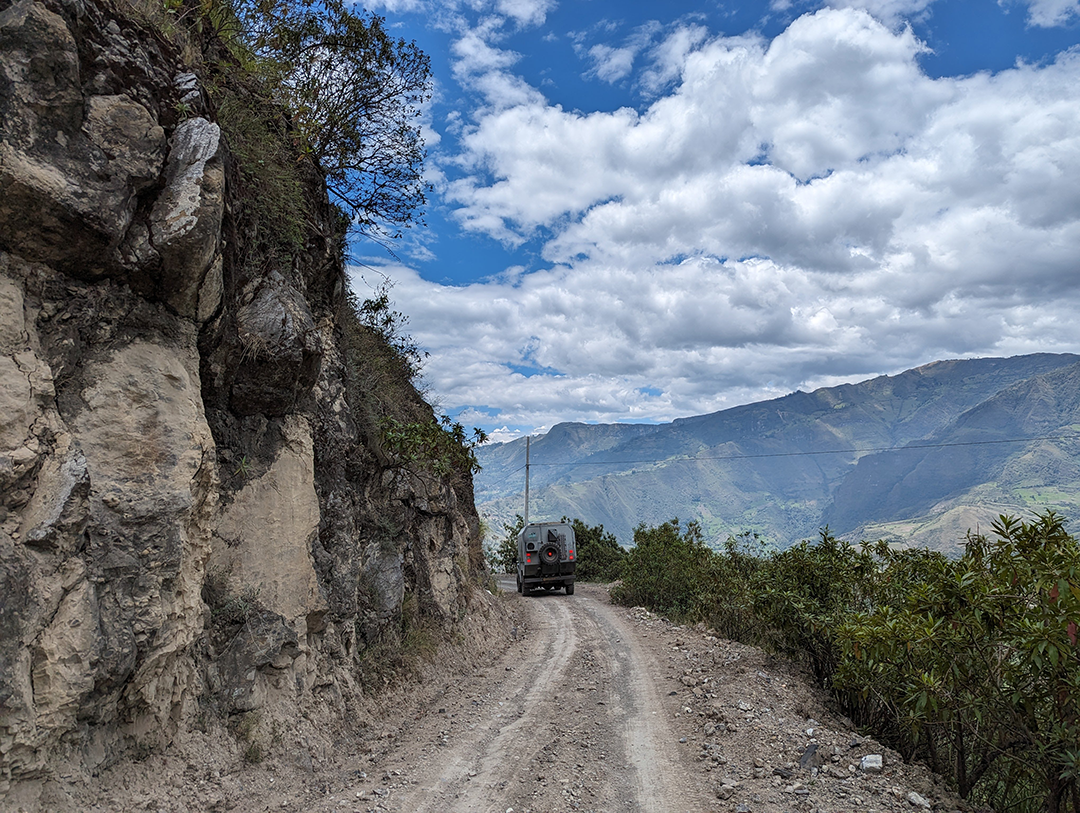
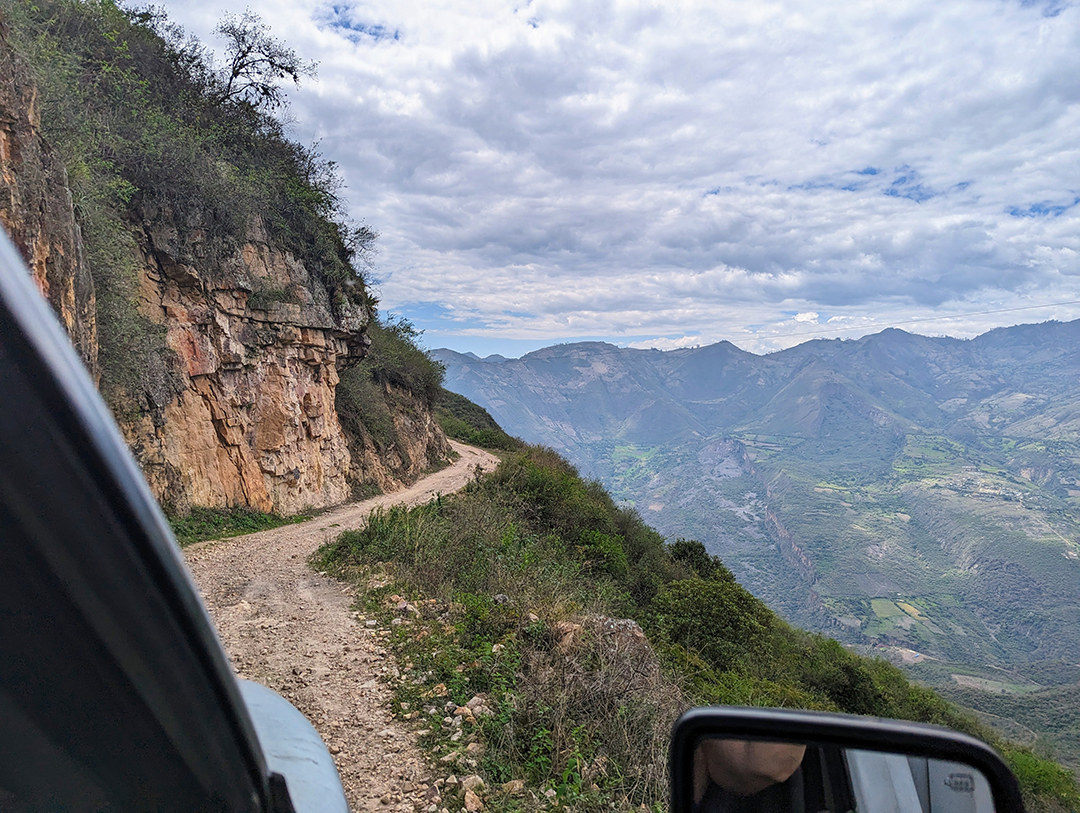
This spot isn’t something you’ll find on a typical “Top Things to Do in Peru” list—but that’s exactly what makes Cumbemayo such a special place for overlanders. Located less than an hour outside of Cajamarca in northern Peru, it’s a hidden gem that requires a sense of adventure and a capable off-road vehicle. The winding road climbs to an altitude of around 3,500 meters (11,500 feet), and while the scenery is incredible, the route is not without challenges. We strongly recommend checking the warnings on iOverlander, including the ones we added, as some of the narrow town streets can unexpectedly turn into stone steps! Trust us, you don’t want to be forced to turn around at the last minute.
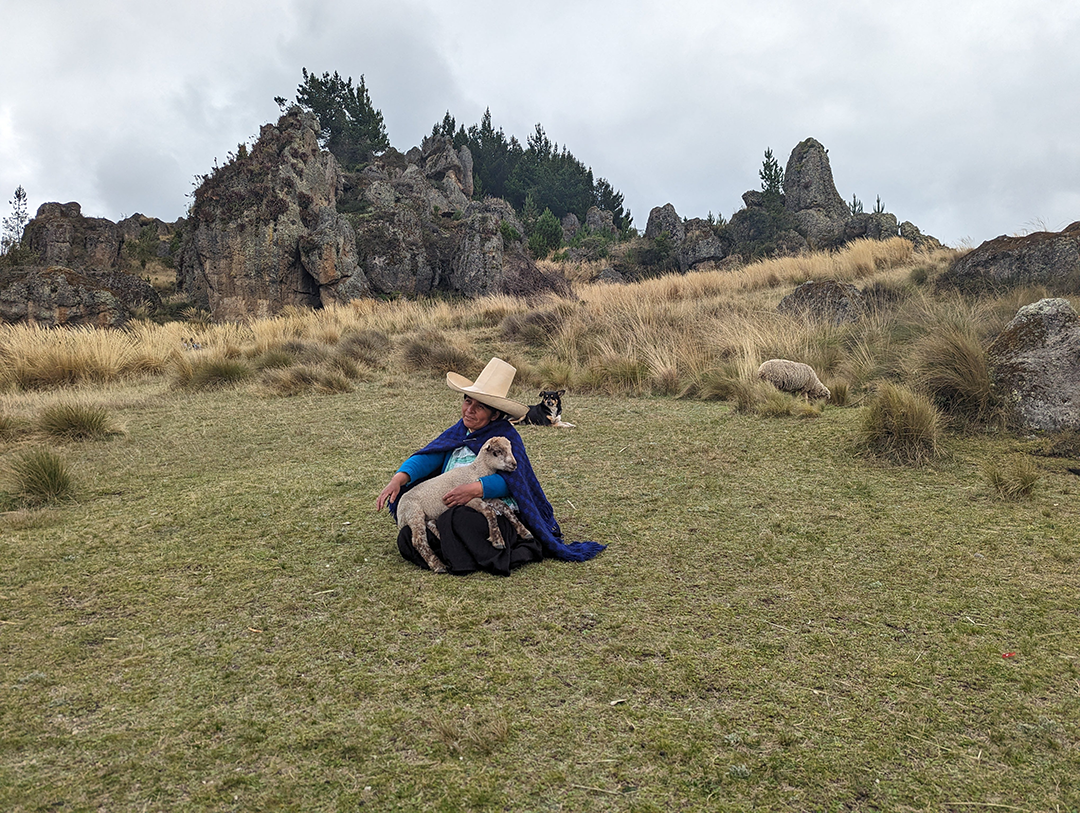
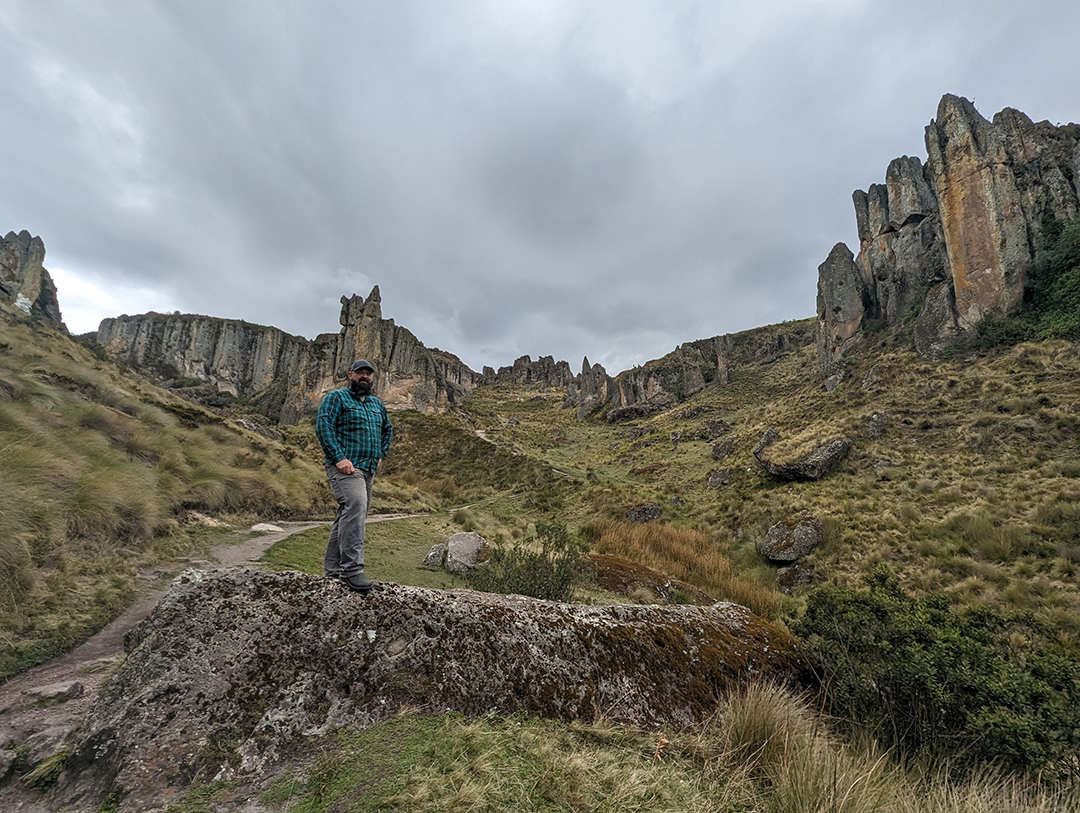
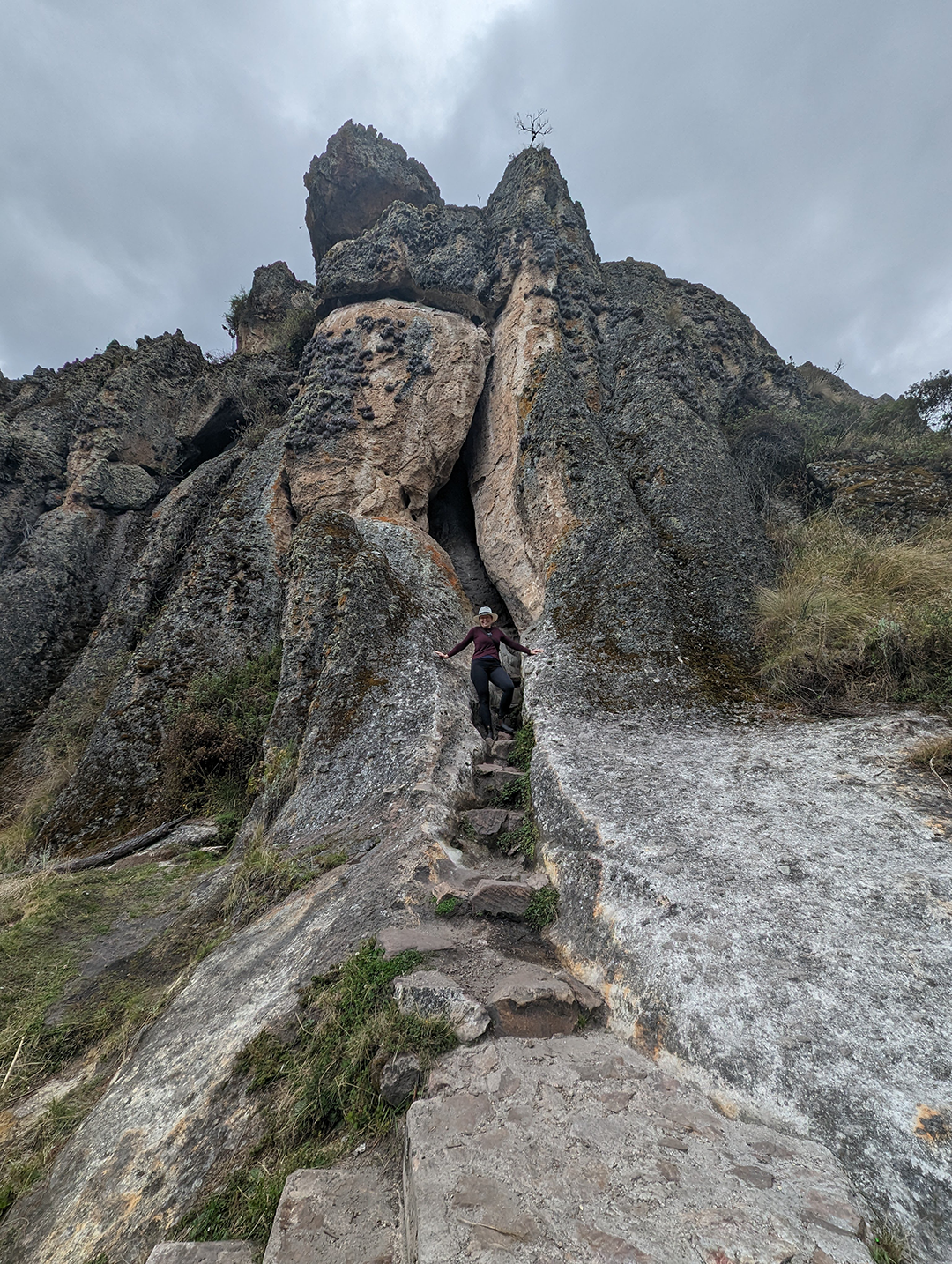
At the top, Cumbemayo reveals a surreal landscape of volcanic rock pillars, shaped by centuries of natural erosion, and one of the most fascinating engineering feats of ancient Peru. This area is best known for its pre-Inca aqueduct, a 9-kilometer (5.5-mile) man-made water channel carved into the stone, thought to be one of the oldest irrigation systems in the Americas. Surrounding it all is the Stone Forest, called “Los Frailones”, a maze of towering rock formations that surround the aqueduct. It’s remote, uncrowded, and absolutely perfect for wild camping in the Andean highlands of northern Peru.







6. Huascarán National Park: Turquoise Lakes and Glacier Adventures
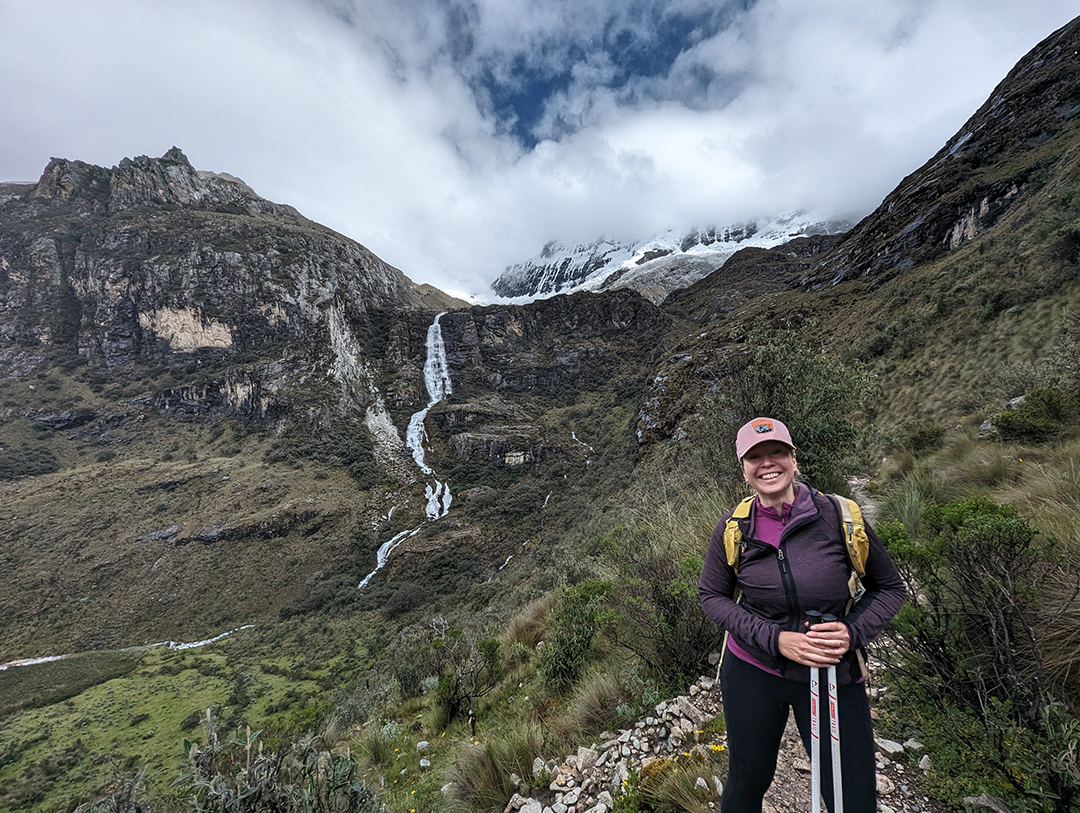
Our time in Huascarán National Park easily ranks as one of the most beautiful natural experiences we’ve had in all of our overland travels. Named after Peru’s highest peak, Mount Huascarán, which stands at 6,767 meters (22,205 feet), the park is part of the Cordillera Blanca range in the Andes. It’s filled with dramatic glaciers, turquoise lakes, and abundant wildlife—including the northern viscacha, a high-altitude rodent that looks like a mix between a rabbit and a chinchilla.
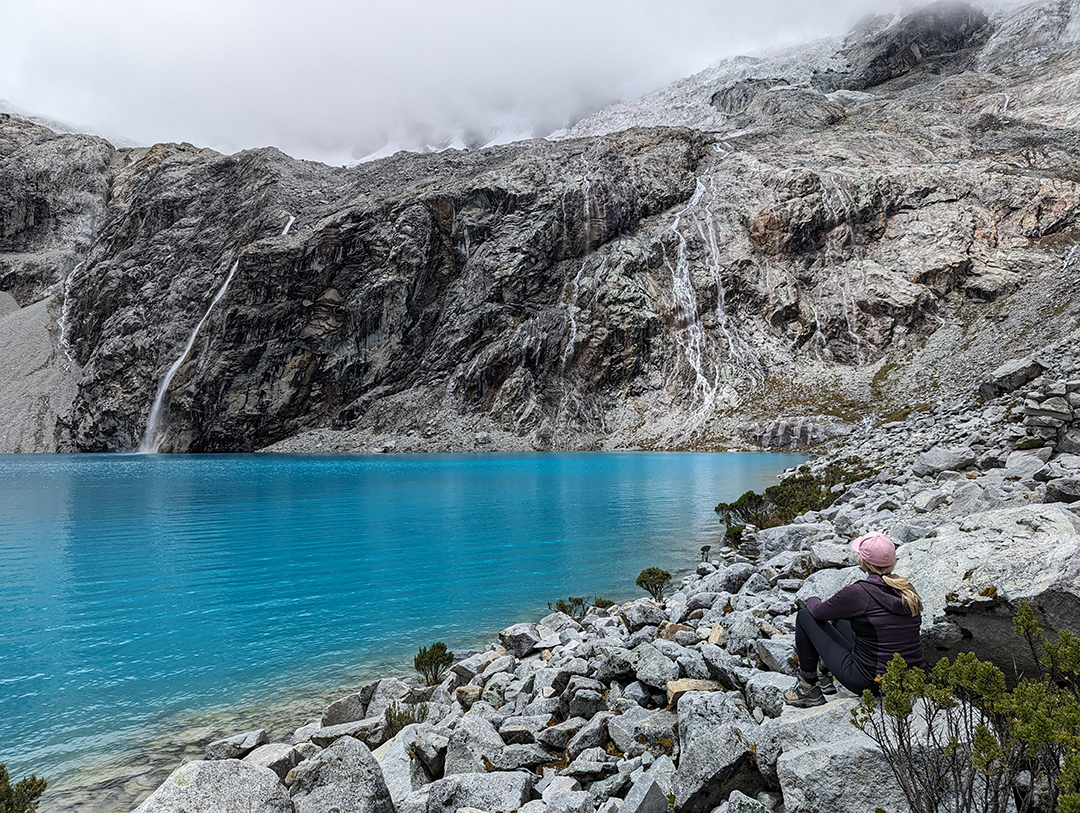
One of the toughest but most memorable parts of our visit was hiking to Laguna 69, one of the most iconic day hikes in Peru. The trail climbs to 4,600 meters (15,000 feet) and ends at a stunning, electric-blue glacial lake surrounded by snowy peaks and waterfalls. We also visited the Pastoruri Glacier, one of the few remaining glaciers in Peru that is still accessible to visitors. Although the hike is relatively short, the high elevation makes it feel quite challenging.
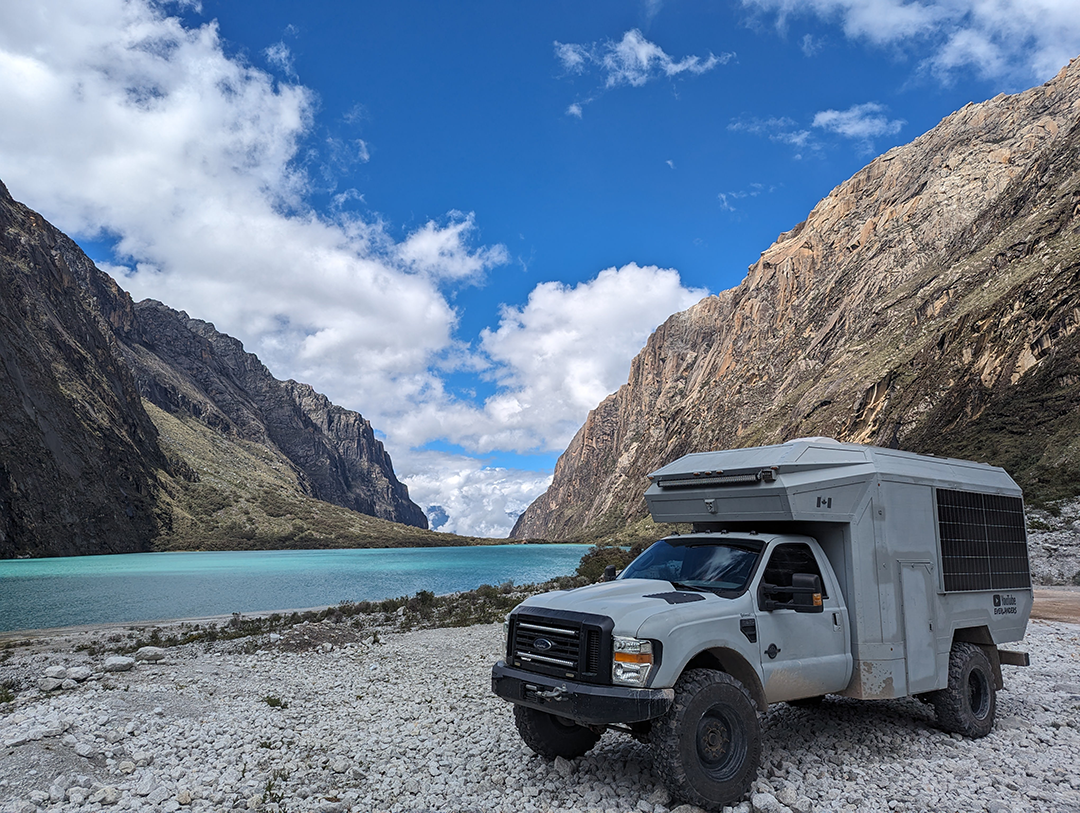
But what truly made this leg of our journey unforgettable was finding what may be the most beautiful wild camping spot of our entire time on the road. We were completely surrounded by mountains, with no one else in sight. If you want to experience it with us, you can check out our video “High-Altitude Overlanding” on our YouTube channel.





Extra Tip for the Extreme Overlanders: Cañón del Pato on the Ruta 3N
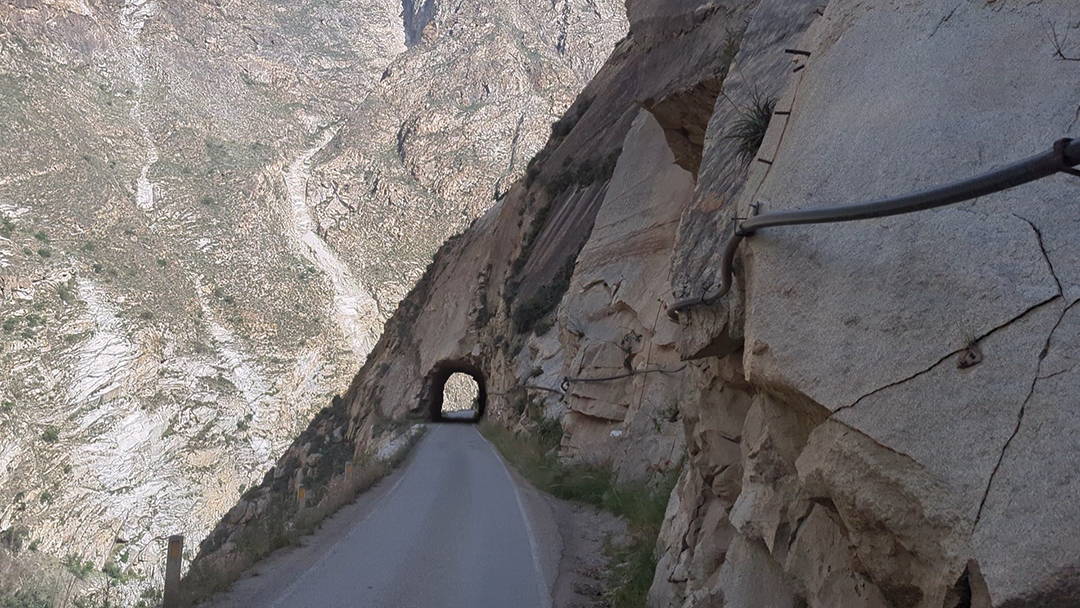
If you’re looking for an adrenaline-pumping drive after exploring Huascarán National Park, head north to the Cañón del Pato (Duck Canyon) along the 3N Highway (Ruta Nacional PE-3N). This is easily one of the most dramatic and thrilling stretches of road we’ve driven in Peru—but it’s definitely not for the faint of heart or those afraid of heights. The narrow road is carved directly into steep rock cliffs, twisting and turning through the canyon with 35 hand-cut tunnels, many of them only wide enough for a single vehicle. The mix of dark tunnels, sheer cliff faces, and vertical drop-offs makes for an unforgettable drive that’s as scenic as it is intense.
This route is not recommended for larger overland rigs, but we made it through in our truck with the following dimensions: Height 3.21 meters, Length 7.67 meters, Width 2.23 meters. It was tight in places and required patience and good timing with oncoming traffic, but absolutely worth it for the experience and the views. Enjoy the ride, and don’t forget to honk before entering those one-lane tunnels!
7. Exploring the Sacred Valley: Incan Ruins, Salt Mines, Alpacas and More
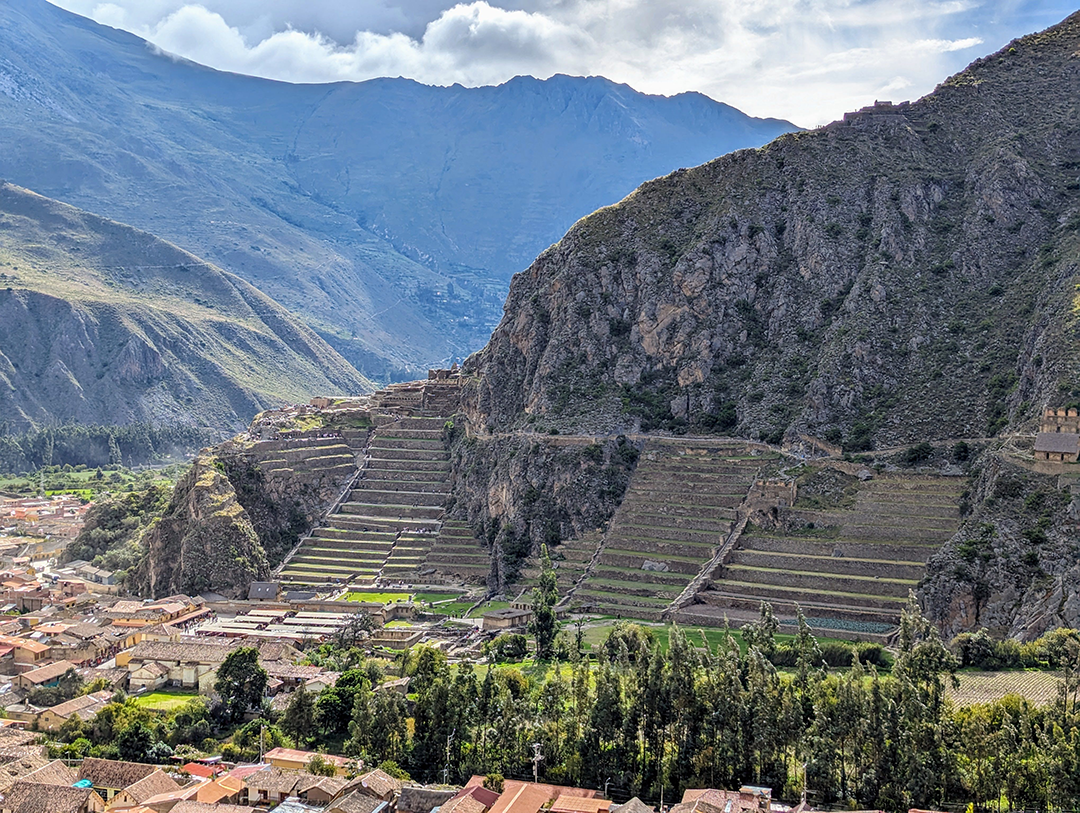
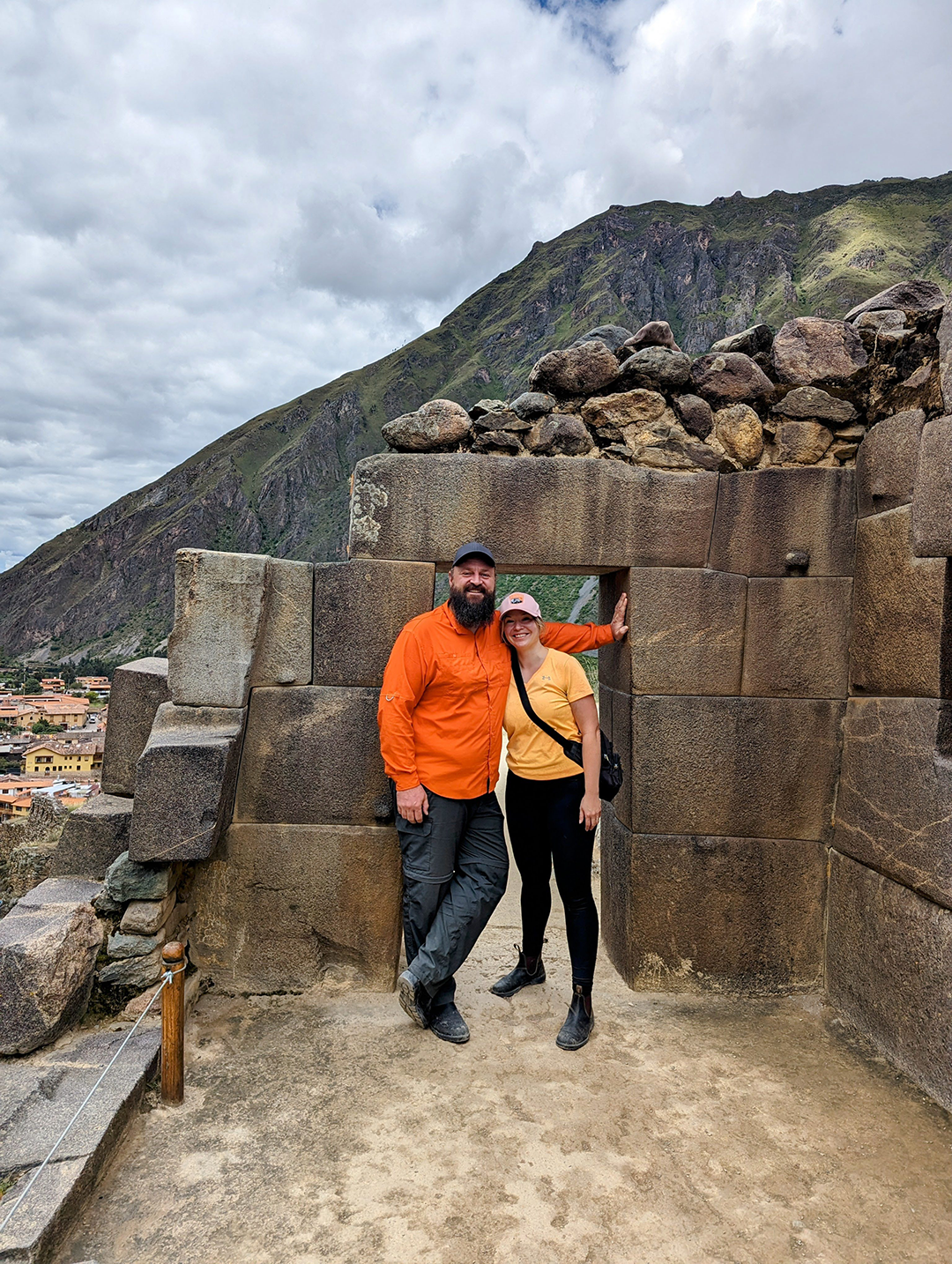
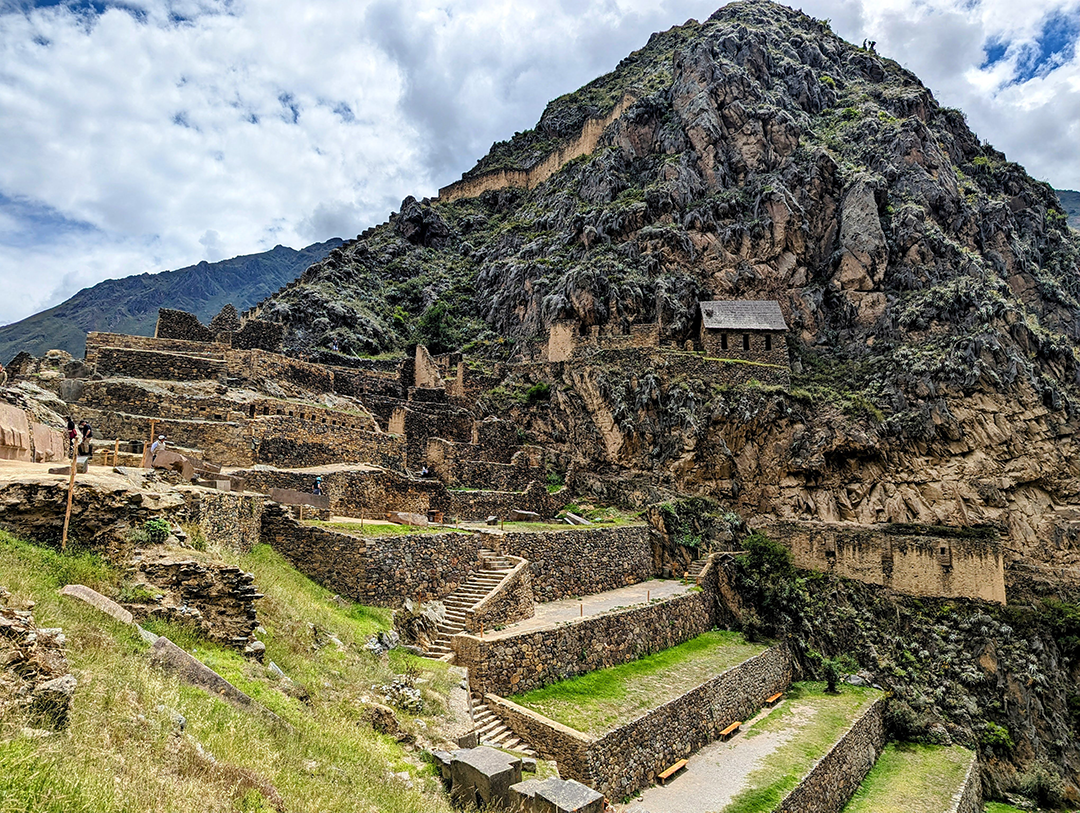
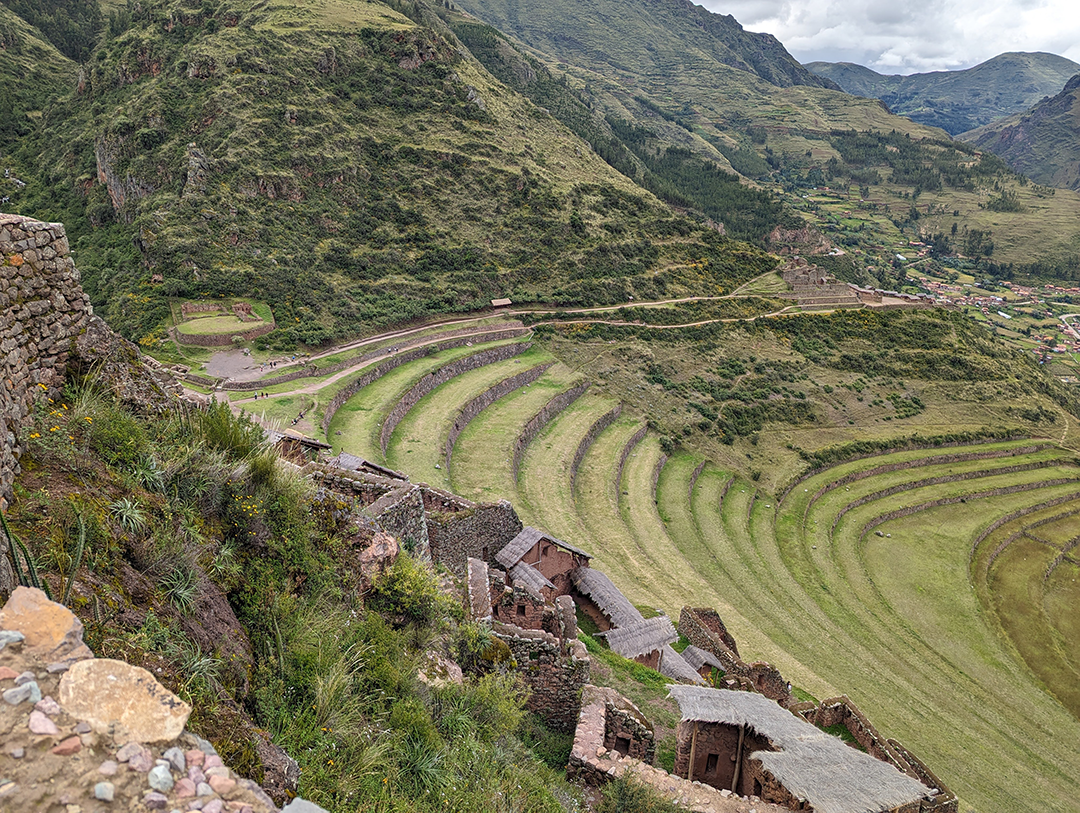
The Sacred Valley of the Incas is one of the most culturally rich regions we explored in Peru. Located just outside of Cusco in the Andes Mountains, this valley was once the heart of the Inca Empire, and it’s not hard to see why. We explored the Pisac Ruins, a sprawling fortress with mountain-top terraces and stunning views, and the Maras Salt Mines, where over 3,000 salt pools are carved into the mountainside and still harvested by local families today. The circular terraces of Moray gave us a glimpse into ancient agricultural practices, and Ollantaytambo impressed us with its massive stonework and preserved Incan town layout. Each site offered a different window into Incan life and ingenuity.
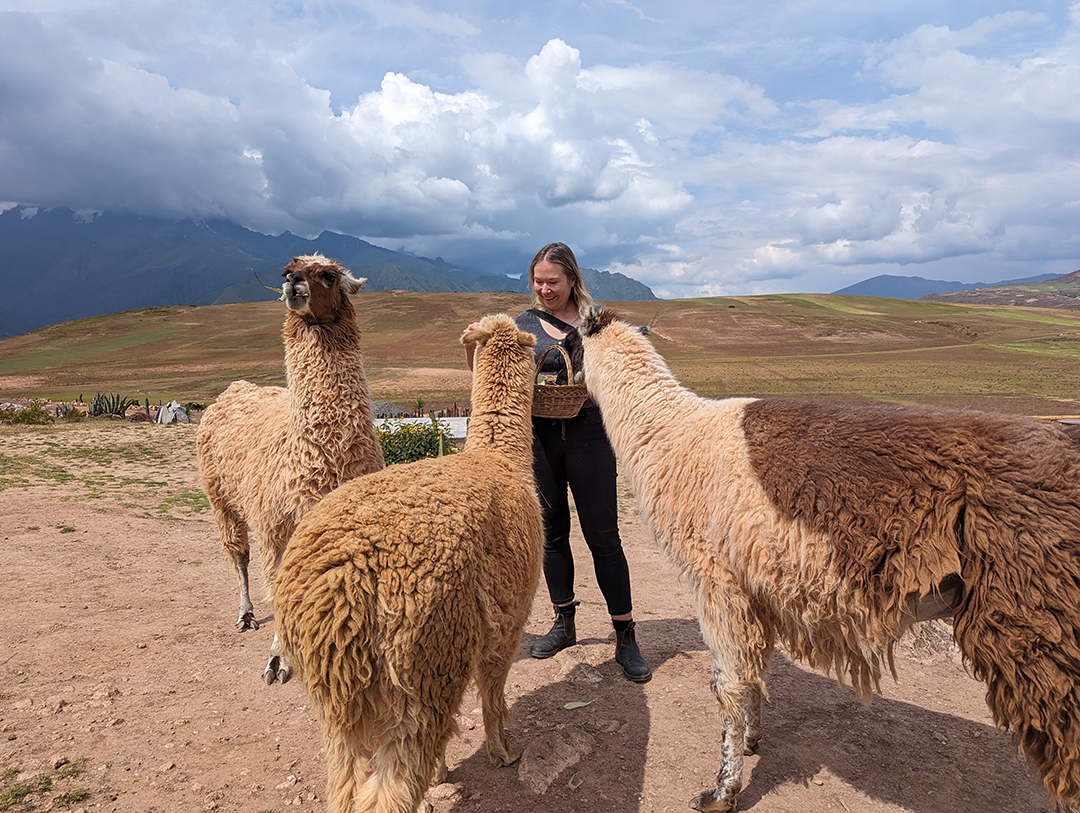
But our favorite stop in the Sacred Valley was Awana Kancha, a small living museum focused on traditional Andean weaving. We learned about the dyeing and weaving process, and even got to feed the llamas and alpacas. I also picked up a beautiful alpaca sweater, which has become my favorite souvenir from all our travels.





8. Cusco: Eating, Walking, and Wandering Through Peru’s Historic City
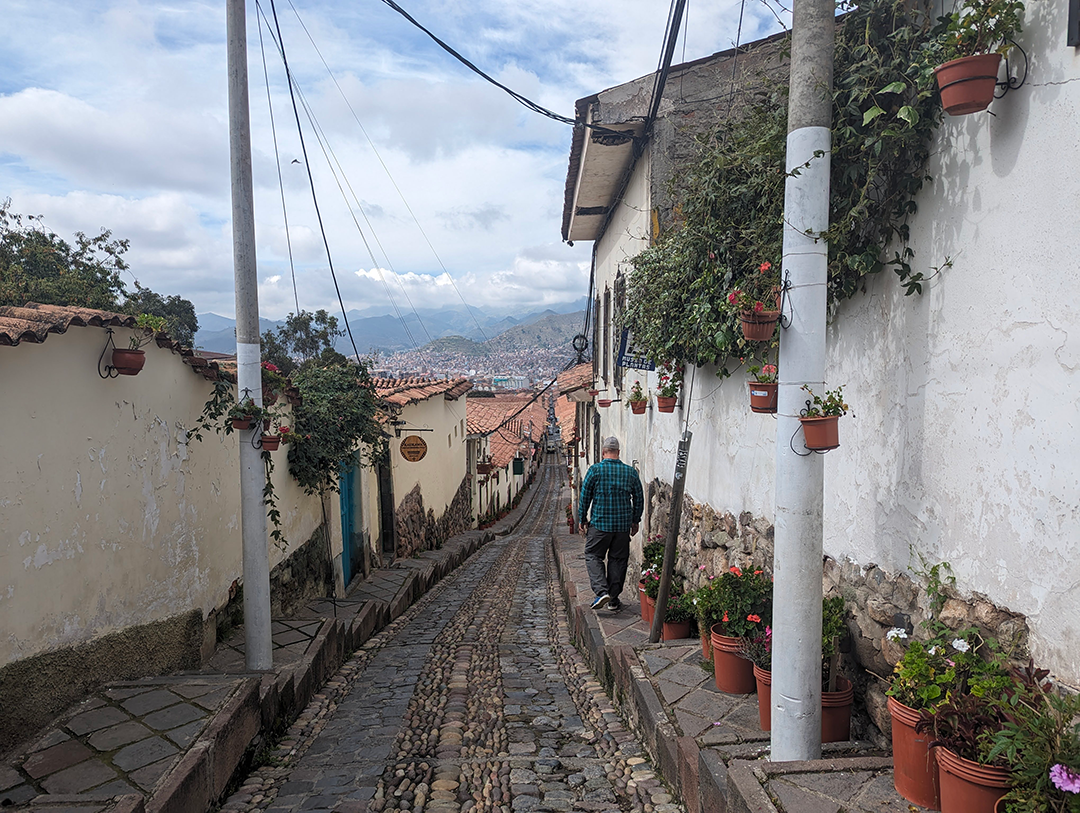
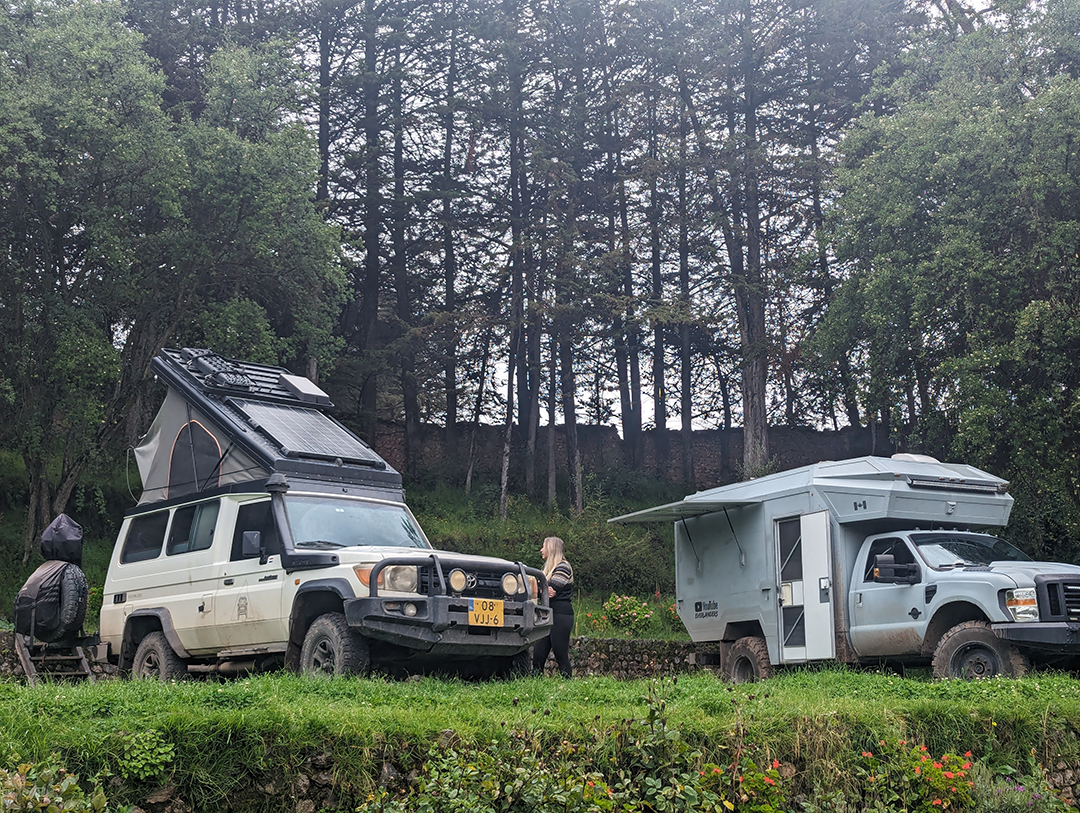
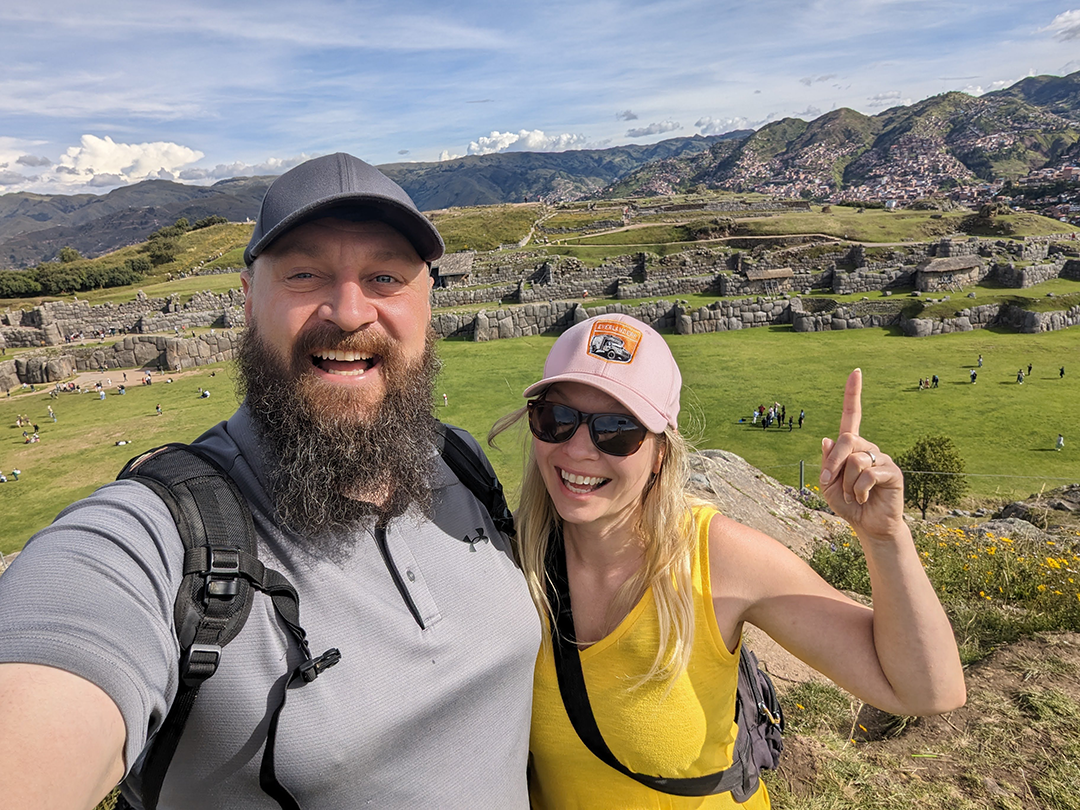
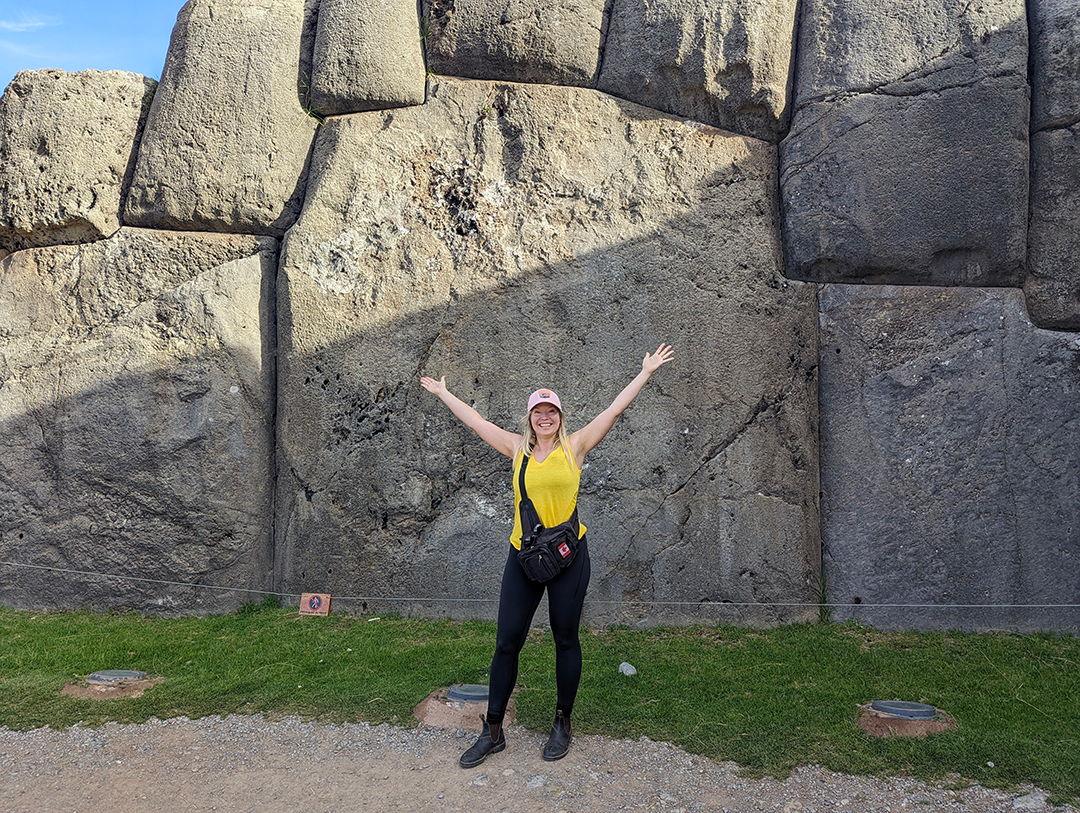
Cusco is not just a starting point for Machu Picchu—it’s a fun and lively place to explore on its own. We stayed at the popular overlander-friendly campground Quinta Lala, tucked into the hills just outside the city center. It was the perfect base for visiting our favorite archaeological site in Cusco: Sacsayhuamán, a massive Inca fortress overlooking the city. The stonework here is mind-blowing, especially the largest block, which weighs 125 tonnes. From the campground, it was an easy walk into town, where we wandered through quaint cobblestone streets, explored local shops, and I even took my electric scooter to the San Pedro Market, full of fresh produce and handmade goods. The market is also a great place to try chicha morada, a purple corn drink, or freshly squeezed fruit juices.
While Lima gets most of the attention for food, we found Cusco’s culinary scene to be equally impressive and much more accessible, as it’s easy to get around by foot. One of our most memorable meals was a perfectly cooked alpaca medallion served with a rich berry reduction—flavorful, tender, and uniquely Peruvian. Cusco truly earns its place on every traveler’s map.





9. Machu Picchu: Bucket List Views
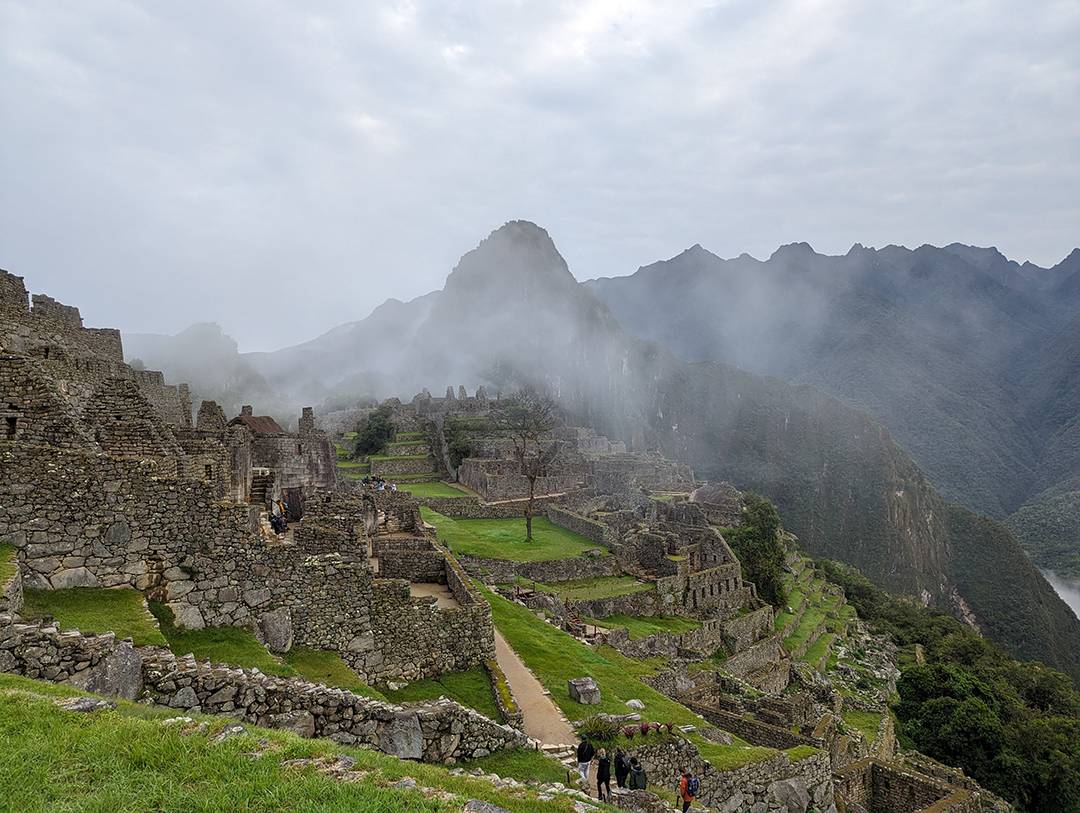
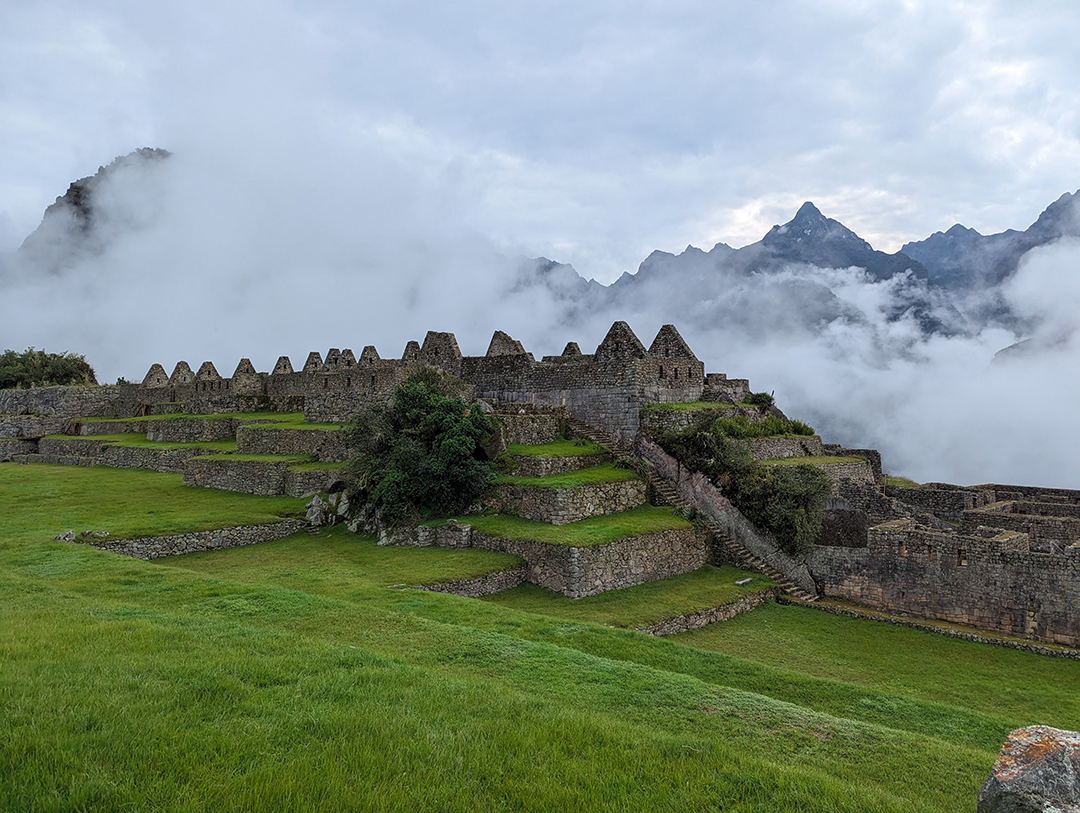
Peru is full of incredible archaeological sites, but the crown jewel is Machu Picchu, often called the “Lost City of the Incas”. It’s a little more touristy and requires extra planning, especially for overlanders since you’ll need to store your vehicle for a few days. While many travelers take the Inca Trail, a multi-day hike through the mountains, we decided to take the train from Ollantaytambo (you can also depart from Cusco) to the small town of Aguas Calientes. To make it all work, you’ll need to book your train tickets, entrance passes to Machu Picchu, the bus ride to the site, and of course, a hotel room for the night. If this all sounds a bit overwhelming, I wrote a full post to help: “What I Wish I Knew Before Visiting Machu Picchu”, a step-by-step guide for overlanders.
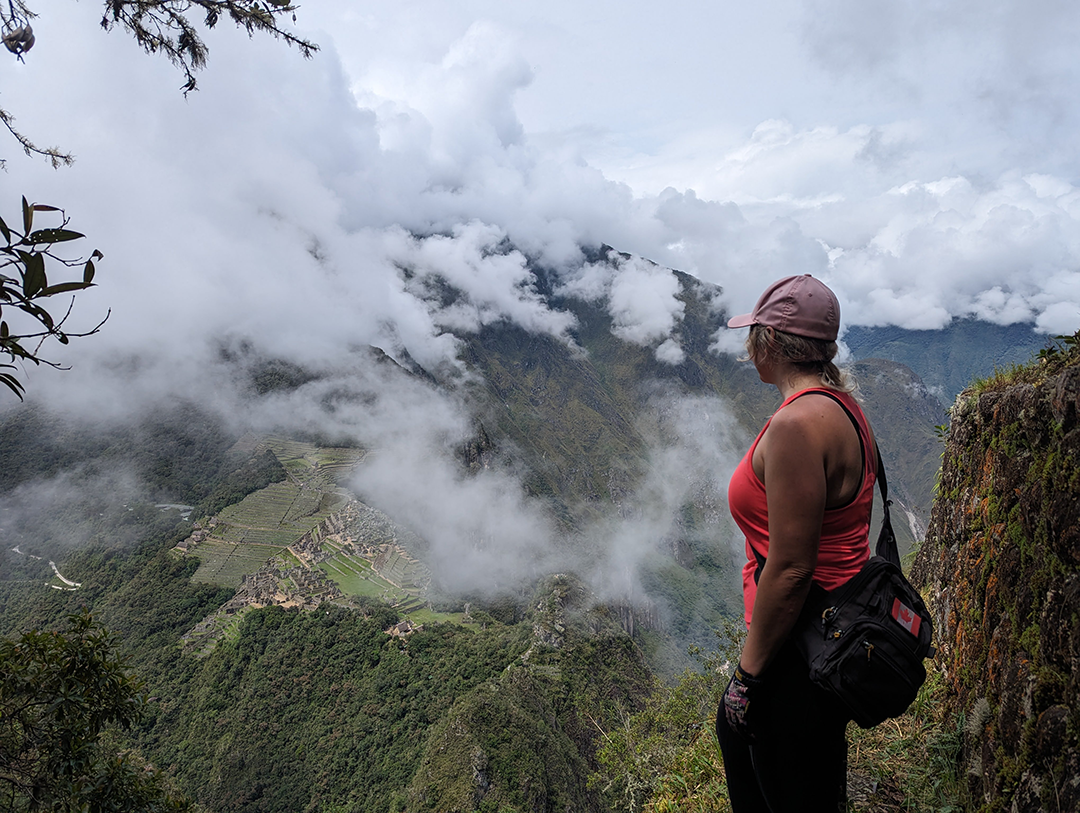
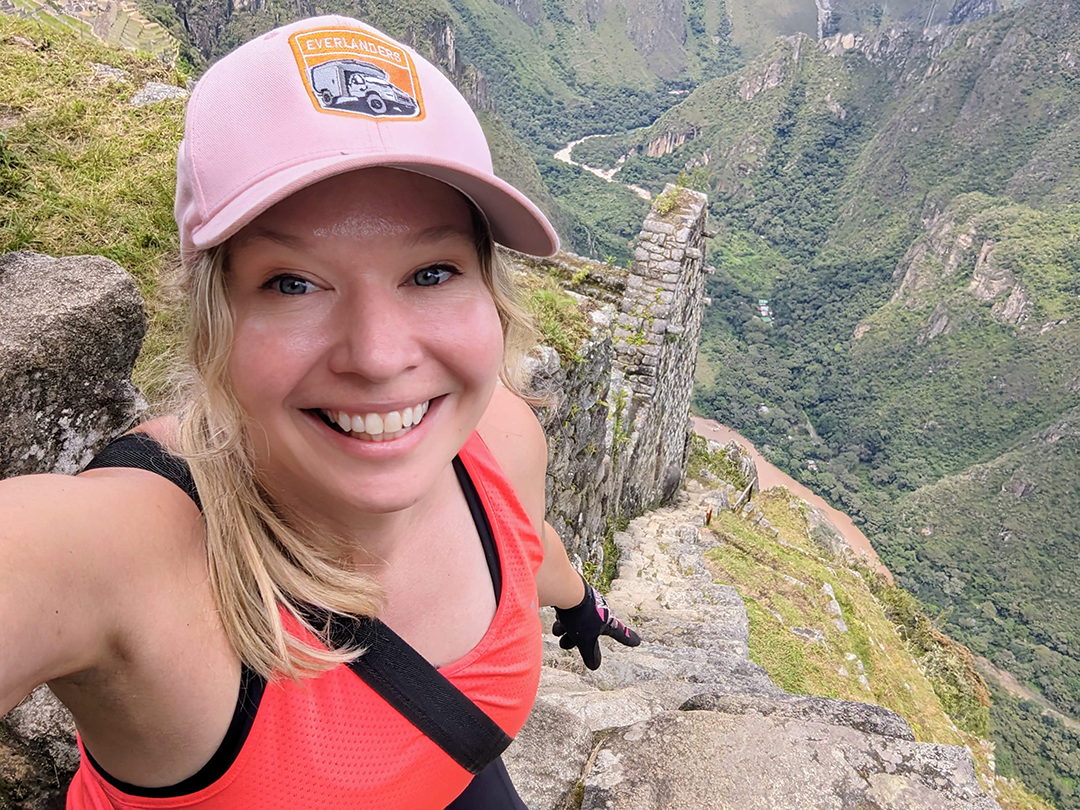
We also chose tickets that included the Huayna Picchu hike, a steep and thrilling climb that rewards you with a jaw-dropping view over the entire site from above. The path is narrow and carved into the mountainside, with stairs that earn their nickname—the death stairs—but reaching the summit was one of the most emotional moments of my journey. Machu Picchu had been on my bucket list for over a decade, and standing above it, surrounded by mist and mountains, was something I’ll never forget. You can watch the full experience in our video “We Made it to Machu Picchu,” where we show the climb, the views, and what it’s really like to see one of the New Seven Wonders of the World in person.


10. Rainbow Mountain: How We Avoided the Crowds
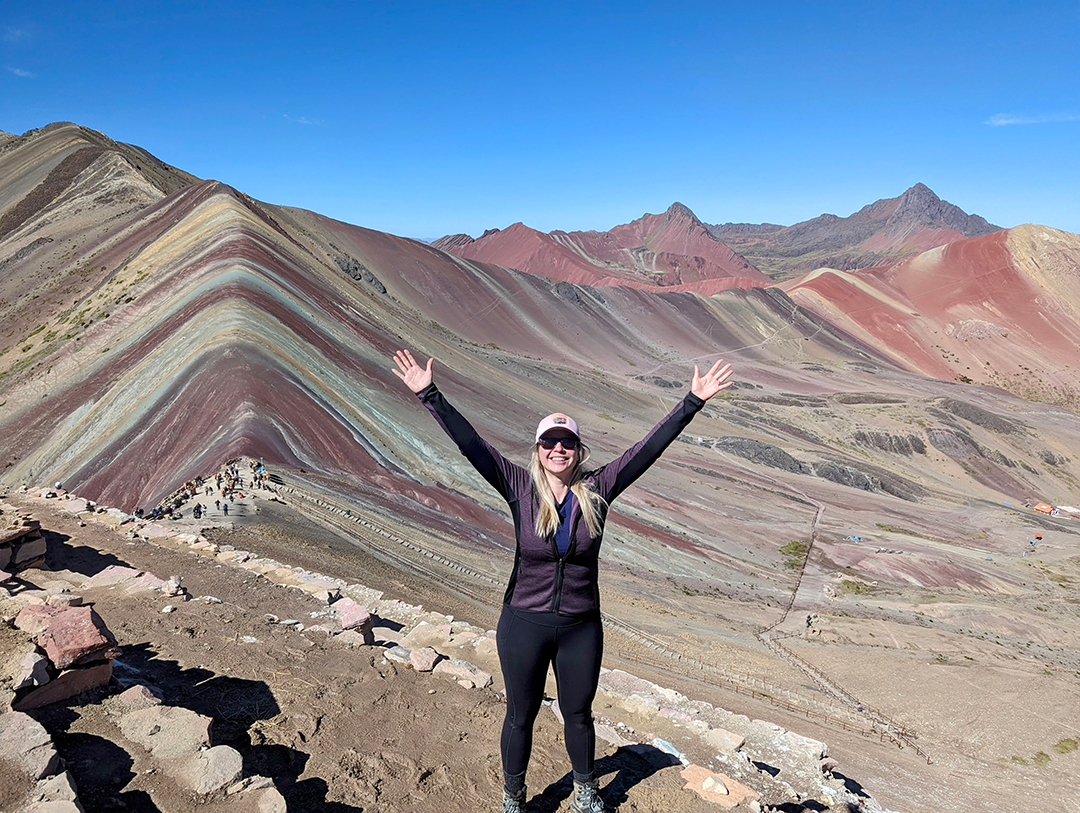
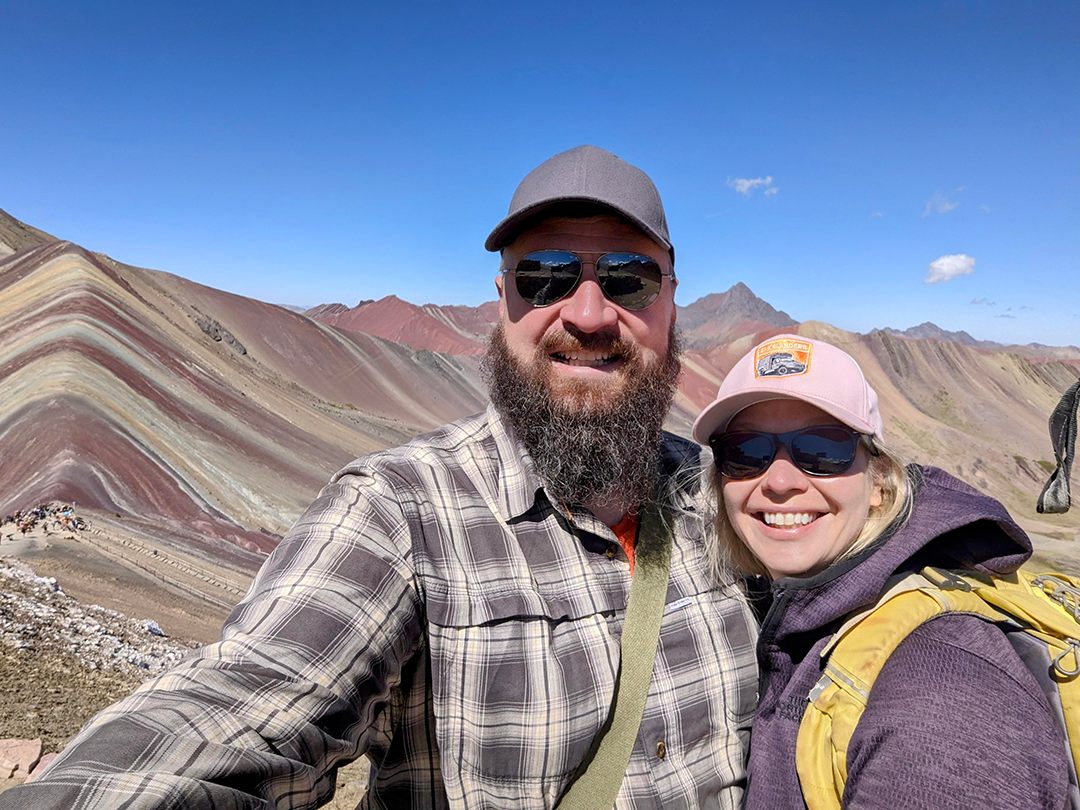
Rainbow Mountain, also known as Vinicunca, is one of Peru’s most famous natural wonders—due to its vibrant mineral layers of red, yellow, green, and purple that sweep across the Andean landscape like a painted canvas. Located about three hours from Cusco, it has become a hugely popular destination, drawing over 1,000 visitors per day, and as many as 3,000 during high season. But don’t let the crowds scare you off—with a little planning, Rainbow Mountain can still be an unforgettable and peaceful experience for overlanders.
After turning off the main highway (Route 3S), you’ll drive an additional hour to reach the trailhead. The road from the highway is unpaved and winds through several small villages, narrowing at times to a single lane. For overlanders, the trick is to drive either early in the morning (before the shuttle vans) or later in the afternoon after most tourists have already left. This makes the drive much less stressful and gives you time to enjoy the scenery.
Even better, the trailhead parking lot allows overnight parking for self-sufficient campers. We chose to arrive in the evening and slept at the trailhead, which meant we were up at sunrise and among the very first to start the hike. The 7-kilometer trail to the viewpoint takes about 2–3 hours, depending on your pace and how well you’re acclimated to the high altitude (over 5,000 meters at the top!).
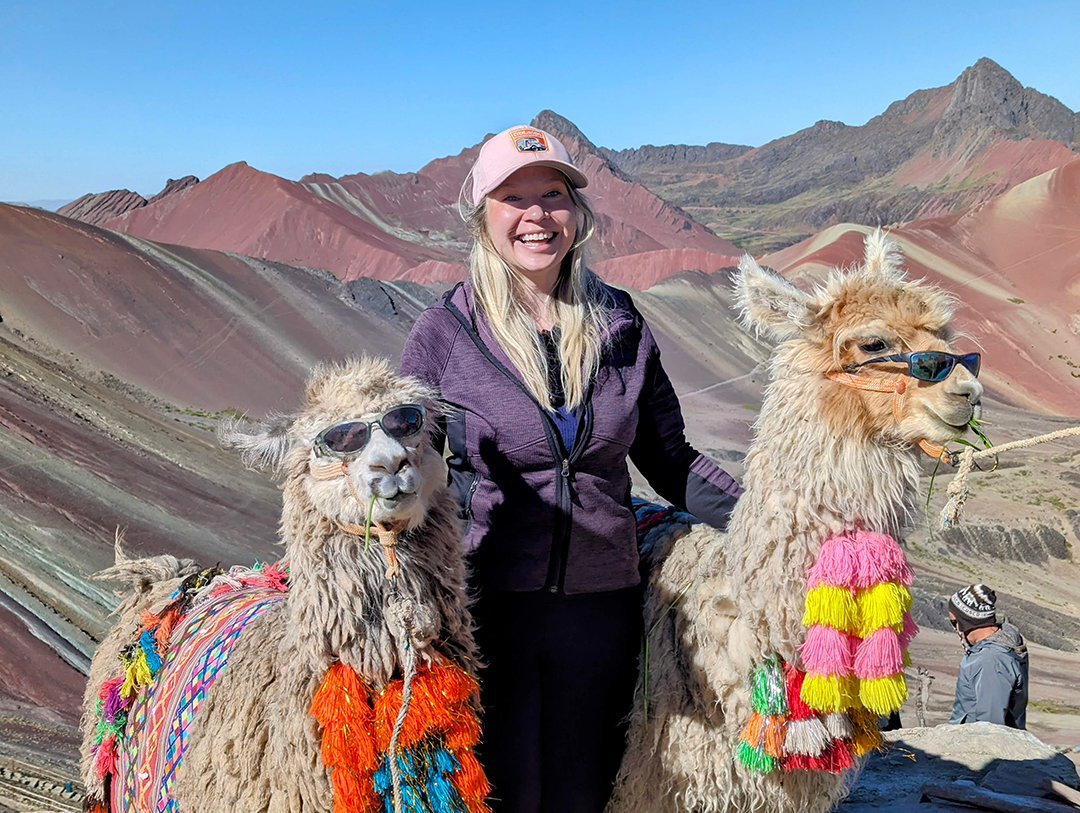
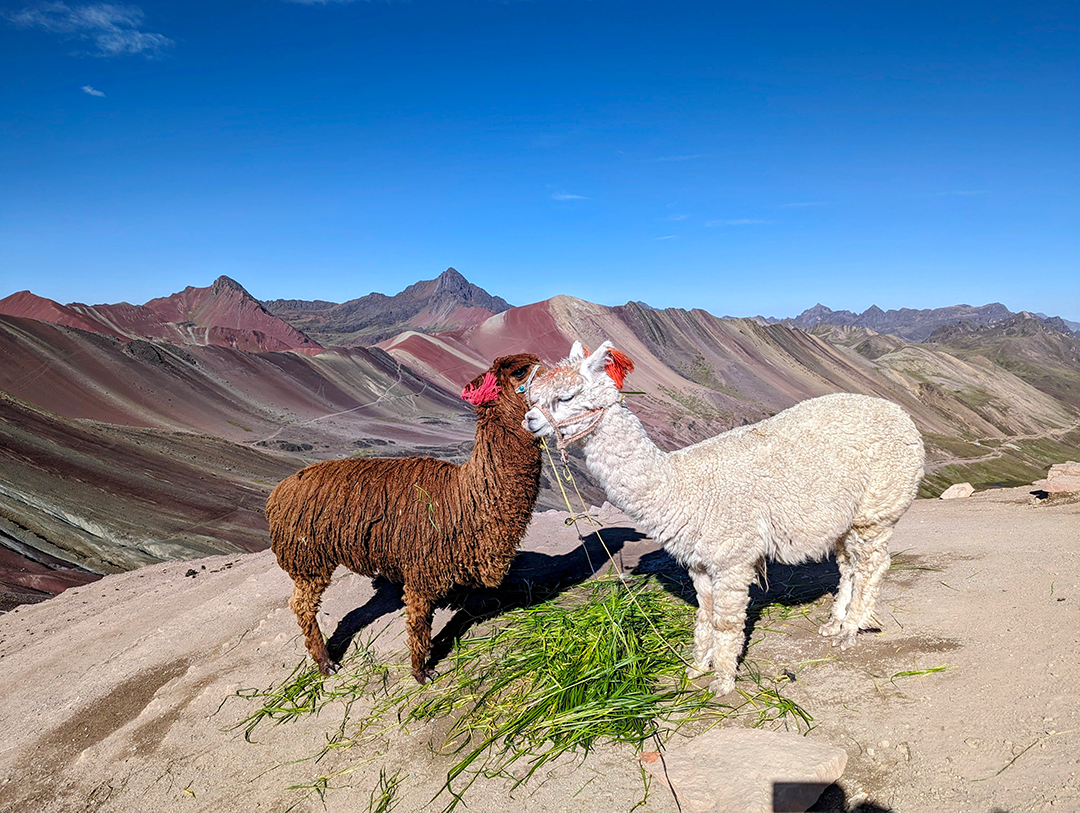
The view from the summit was nothing short of breathtaking. Though we usually skip touristy photo ops, we couldn’t resist taking a picture with the decorated llamas—a fun experience based on tips to the local handler. After our hike, we returned to our rig, made breakfast, and relaxed as hundreds of tour vans filed in and out. By mid-afternoon, the parking lot had cleared, and we had the entire road back to the highway all to ourselves.
If you’re overlanding in Peru and want to experience Rainbow Mountain without the chaos, this strategy is a game changer. You can watch our full adventure in our video: “Overlanding to Rainbow Mountain” on YouTube.




Peru has been one of the most rewarding countries we’ve explored by overland travel, offering a perfect mix of nature, culture, and adventure. Whether you’re chasing ancient history or remote wild camps, this journey will stay with you long after the road ends.
 Everlanders